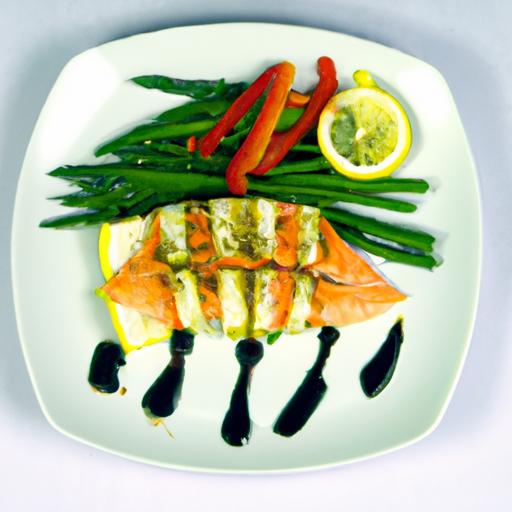




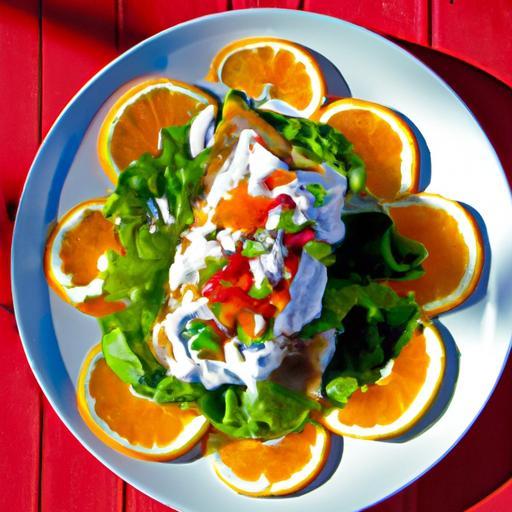

There’s something undeniably magical about the ocean’s bounty-fresh fish, glistening with promise, packed with nature’s purest nutrients and vibrant flavors. In a world where wellness is more than just a trend, embracing wholesome fish recipes offers a tasty doorway to radiant health and vitality. From the simplest grilled fillets to inventive, nutrient-rich creations, “Fresh Catch: Wholesome Fish Recipes for Vibrant Health” invites you to dive into a culinary voyage that not only delights the palate but nourishes the body and soul. Prepare to discover how the freshest catches can transform everyday meals into vibrant celebrations of taste and well-being.
Fresh Catch: Wholesome Fish Recipes for Vibrant Health begin with selecting the finest fish to ensure maximum nutrient density and flavor. Whether it’s wild-caught salmon bursting with omega-3 fatty acids or delicate arctic char, choosing sustainably sourced, fresh fillets rich in essential fats is the cornerstone of healthful meals. This approach not only honors the fish’s natural goodness but guarantees vibrancy on your plate and in your body.
Prep and Cook Time
- Planning: 15 minutes
- Cooking: 20 minutes
- Total: 35 minutes
Yield
serves 4
Difficulty Level
Easy
Ingredients
- 4 fresh skin-on salmon fillets (6 oz each, wild-caught if possible)
- 2 tbsp extra virgin olive oil
- 1 lemon (zested and juiced)
- 3 cloves garlic (minced)
- 1 tsp smoked paprika
- Salt and freshly cracked black pepper to taste
- 1 tbsp fresh dill (finely chopped)
- 1 tbsp capers (rinsed)
- 1 small shallot (thinly sliced)
- 2 cups baby spinach (washed)
- 1 tbsp unsalted butter
- Cooked quinoa or brown rice for serving (optional)
Instructions
- prepare the fish: Pat the salmon fillets dry with paper towels. Rub both sides with olive oil, then season generously with salt, pepper, smoked paprika, and lemon zest.
- Heat the pan: Warm a large non-stick skillet over medium-high heat.Once hot, add the salmon fillets skin-side down. Sauté without moving for 5-6 minutes until the skin turns crisp and golden.
- Flip carefully: Turn the salmon over and cook for another 3-4 minutes, until medium-rare to medium (internal temp about 125°F). Remove salmon to a warm plate and tent with foil.
- Sauté aromatics: In the same pan, lower heat to medium, add butter. Once melted, stir in garlic, shallots, and capers. Cook until fragrant and softened, about 2 minutes, stirring gently.
- Add greens and lemon: Toss in baby spinach and fresh dill, stirring until wilted and glossy. Splash lemon juice to brighten the sauce, then remove from heat.
- plate and finish: Spoon the warm sautéed spinach and capers mixture over and around the salmon fillets. Serve instantly alongside quinoa or brown rice for a satisfying, nutrient-packed meal.
Chef’s Notes
- Fish selection: Opt for fatty fish like salmon, mackerel, or trout to maximize omega-3 intake. Freshness is key – fish should smell briny and look translucent with firm flesh.
- Cooking tips: Avoid overcooking to preserve omega-3 oils and maintain moistness. A hot pan ensures crispy skin and locks in flavor.
- Make ahead: You can prep lemon zest, garlic, and herbs the day before to streamline your cooking.
- Variations: Substitute dill with fresh tarragon or basil for a different herbaceous twist without overpowering the fish.
- Preserving nutrients: Steaming and pan-searing work wonderfully for nutrient retention; deep frying and prolonged high heat can degrade healthy oils.
Serving Suggestions
Highlight your fresh catch by serving it on a simple white platter adorned with shining lemon wedges and sprigs of parsley or dill. Drizzle a touch of high-quality olive oil over the top to add sheen and enhance richness. Complement the dish with a light cucumber and avocado salad dressed in lemon vinaigrette – a perfect foil for the fish’s natural oils. For vibrant color and texture, scatter toasted pumpkin seeds or crushed pistachios on the spinach bed.

Understanding Nutritional Benefits
| Nutrient | Per Serving |
|---|---|
| Calories | 350 kcal |
| Protein | 34 g |
| Carbohydrates | 6 g |
| Fat | 20 g (mostly healthy fats) |
Mastering Cooking Techniques with Fresh Catch: Wholesome Fish Recipes for Vibrant Health
Preserving omega-3 fatty acids during cooking requires mindful temperature control. High heat sears the fish quickly, sealing moisture and nutrients inside. Avoid charring or lengthy cooking times as it reduces the delicate oils. Pan-searing,gentle grilling,and oven-baking at moderate heat are excellent techniques to maintain the fish’s nutritional profile. For an extra touch, wrap fillets in parchment with herbs and lemon to steam gently, locking in taste and moisture.
Creative Flavor Pairings to Elevate Your Fresh Catch
Bright, herbaceous notes from dill, parsley, tarragon, or cilantro meld beautifully with the buttery richness of salmon and similar fish. Citrus elements like lemon, lime, or even yuzu add fresh acidity that cuts through the oils. Incorporate briny accents such as capers or olives to create depth. Pairing with earthy root vegetables roasted in olive oil, or nutty grains like quinoa and farro, achieves a balanced plate bursting with colors and texture.
Simple Weekly meal Plans for Heart Healthy Living Featuring fresh Catch: Wholesome Fish Recipes for Vibrant Health
Integrating fish into your weekly menu can be seamless and delicious. Aim for two to three servings per week focusing on wild-caught types full of omega-3s. Start the week with a simple pan-seared salmon over sautéed greens, midweek enjoy grilled mackerel with herb quinoa, and finish with a steamy lemon cod stew paired with seasonal vegetables. meal prepping fish components like the lemon-herb sauce or cooked grains early in the week saves time without sacrificing freshness or nutrient value.
For an in-depth look at other heart-smart meal ideas, explore our Heart Healthy Recipes Collection. For more on the health benefits of omega-3 rich fish, visit the American Heart Association’s official page.
Q&A
Q&A: Fresh Catch – Wholesome Fish Recipes for Vibrant Health
Q1: Why is fish considered a superfood for vibrant health?
A: Fish is nature’s gift packed with high-quality protein, omega-3 fatty acids, and essential vitamins like D and B12. These nutrients support heart health, brain function, and glowing skin, making fish a cornerstone for anyone seeking to boost their vitality through diet.Q2: What types of fish are best for healthy cooking?
A: Opt for fatty fish such as salmon, mackerel, sardines, and trout for a rich dose of omega-3s. Lean fish like cod,haddock,and tilapia provide protein with fewer calories,perfect for light,wholesome meals. Freshness matters-always choose the freshest catch to maximize flavor and nutrition!
Q3: How can I keep fish dishes exciting while staying healthy?
A: Embrace vibrant herbs and spices like dill, parsley, turmeric, and smoked paprika. Incorporate colorful vegetables, citrus zest, and whole grains for balanced plates. Experiment with cooking methods-grilling, poaching, baking, or steaming-to preserve nutrients and keep flavors bright.
Q4: Are there simple tricks to infuse more nutrition into fish recipes?
A: absolutely! Add a handful of antioxidant-rich greens like spinach or kale as a side or fold them into fish cakes.Serving fish with a squeeze of lemon or a drizzle of heart-healthy extra virgin olive oil can enhance both taste and health benefits effortlessly.
Q5: What are quick but wholesome fish meal ideas for busy days?
A: Try a quick salmon and quinoa bowl with avocado and cherry tomatoes, or baked cod with rosemary and a medley of roasted vegetables. Canned tuna mixed with greek yogurt, capers, and fresh herbs can become a speedy, satisfying filling for whole-grain wraps.
Q6: How can fish be incorporated into a balanced meal for vibrant health?
A: Pair fish with a spectrum of colorful vegetables and nutrient-dense sides such as sweet potatoes, brown rice, or wild grains. Include a source of healthy fats like avocado or nuts to round out the meal,supporting sustained energy and nutrient absorption.
Q7: What should I consider when buying fish for health and sustainability?
A: Look for labels indicating lasting sourcing, such as MSC certification, and choose wild-caught over farmed when possible. Freshness is key-clear eyes, firm flesh, and a mild ocean scent signal a good catch that will nourish your body and taste buds alike.
Q8: Can fish recipes support specific health goals like weight management or heart health?
A: Yes! The lean protein and omega-3s in fish help reduce inflammation and support metabolism, aiding weight management and cardiovascular health. Incorporating fish into a balanced diet can lower cholesterol, improve circulation, and promote long-term wellbeing.Q9: How do I make fish appealing even if I’m new to eating it?
A: Start with mild-flavored fish like cod or tilapia and use familiar spices and herbs. Cooking fish with vibrant sauces, such as a tangy tomato or herb chimichurri, can brighten the dish. Keep portions small initially and gradually explore different types and recipes to discover what delights your palate!
Q10: What are creative ways to include fish in family meals?
A: Turn fish into fun “fish tacos” with fresh salsa and crunchy slaw, or bake colorful fish parcels wrapped in parchment with lemon and herbs. fish cakes or patties can be served as sliders or alongside a crisp salad, making nutritious meals both approachable and enjoyable for all ages.
Dive into the world of fresh fish with these tips and recipes to unlock vibrant health, one wholesome bite at a time!
In Retrospect
As you embark on your culinary journey with these fresh catch recipes, remember that each dish is more than just a meal-it’s a festivity of nature’s bounty and a vibrant step toward holistic wellness. By embracing wholesome fish meals, you’re nourishing your body with essential nutrients while delighting your palate with flavors from the sea. So, cast your nets wide in the world of healthy cooking, and let these recipes inspire a lifestyle that’s as fresh and invigorating as the ocean breeze. Here’s to vibrant health, one delicious bite at a time!