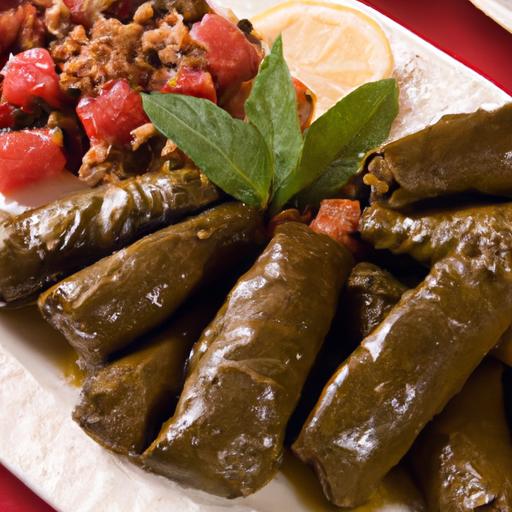



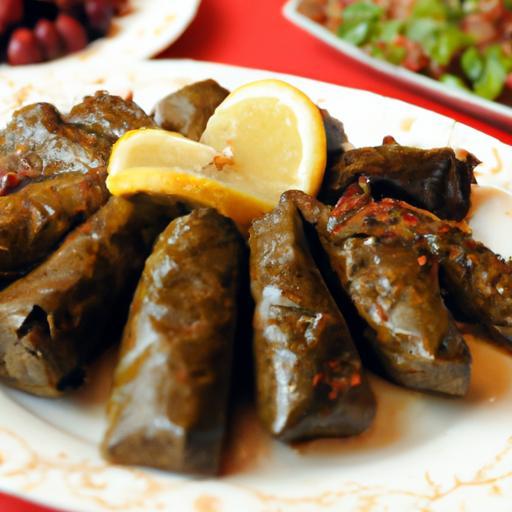

Nestled within the vibrant tapestry of Middle Eastern cuisine lies a dish both humble and extraordinary: Warak Enab, or stuffed grape leaves. This culinary treasure, with its delicate parcels of vine leaves embracing a fragrant blend of rice, herbs, and sometimes meat, tells a story as rich and layered as its flavors. Far more than just a meal, Warak Enab is a testament to tradition, a symbol of hospitality, and an art form passed down through generations. In this article, we unravel the timeless craft behind these tender wraps-exploring thier origins, regional variations, and the meticulous techniques that transform simple ingredients into a beloved classic.Join us on a flavorful journey to discover why Warak Enab continues to captivate palates and hearts across cultures and centuries.
Origins and Cultural Significance of Warak Enab Across the Mediterranean
Warak Enab, the quintessential stuffed grape leaves, weave a vibrant cultural tapestry spanning the mediterranean and Middle eastern kitchens.This dish transcends borders-from the bustling souks of Lebanon to the sun-drenched coasts of Greece and Turkey-each community imparting its own heartfelt touch. The practice of rolling grape leaves around fragrant fillings dates back centuries, representing hospitality, family unity, and a celebration of nature’s bounty. Traditionally, Warak Enab was prepared for festive gatherings, weddings, and holidays, symbolizing warmth and the joy of sharing.Its preparation is often a communal event, with generations gathering to fill, roll, and savor the fruits of collective labor. the layers of spiced rice and tender vine leaves speak not only of flavor but of heritage and connection across cultures.
Mastering the Perfect Filling Balance for Authentic Flavor
A flawless Warak Enab balance begins with a harmonious blend of ingredients that sing together without overwhelming each other.The heart of this dish lies in the filling-a fragrant marriage of long-grain rice, fresh herbs like parsley and mint, and finely diced vegetables such as onions and tomatoes.For protein, lean ground beef or lamb is often included, though many variations lean vegetarian, allowing the herbs and spices to shine. The secret to authenticity is moisture control; the rice must be partially cooked before stuffing to avoid a mushy texture, while the lemon juice and olive oil infuse the roll with brightness and silkiness. Season deliberately with aromatic spices like allspice, cinnamon, and subtly assertive black pepper-these create the signature depth readers crave.
Step by Step Guide to Rolling and Cooking Warak Enab Like a Pro
- Prepare the grape leaves: Rinse canned grape leaves thoroughly under cold water, removing excess brine, or blanche fresh leaves in boiling water for 2 minutes until they soften. Pat dry on a clean kitchen towel.
- mix the filling: In a large bowl, combine 1 cup rinsed long-grain rice (soaked 15 minutes), 1 finely chopped onion, 1/2 cup tomato, diced, 1/2 cup fresh parsley, finely chopped, 1/4 cup fresh mint, 200g lean ground beef or lamb (optional), 1/4 cup olive oil, juice of one lemon, 1 tsp salt, 1/2 tsp black pepper, and 1 tsp allspice. Mix until fully combined but not mushy.
- Fill the leaves: Spread a grape leaf flat on a clean surface with the shiny side down and stem end toward you.place a tablespoon of filling near the stem base.
- Roll tightly: Fold the bottom end over the filling, then tuck in each side, and roll the leaf upward into a compact cylinder roughly 2 inches long. aim for consistency in size to ensure even cooking.
- Layer the pot: Line the bottom of a heavy-duty pot with large torn grape leaves to prevent sticking and burning.
- Arrange and cook: Place the stuffed leaves seam-side down, packed snugly in tight concentric circles. Pour a mixture of water, lemon juice, and olive oil over the rolls until they are almost submerged. Weigh the leaves down with a heat-proof plate to keep them from unraveling.
- Simmer gently: Cover and cook on low heat for 45 minutes to 1 hour until the rice and meat (if used) are tender. Avoid boiling vigorously to preserve shape and texture.
Expert Tips on Pairing Warak Enab with Traditional and Contemporary Dishes
To elevate Warak Enab, serve it alongside freshly made creamy tahini sauce or a cooling tzatziki dip that perfectly offsets the zesty tang and earthy richness of the rolls. Traditional accompaniments include warm pita bread and a side of fattoush or tabbouleh salad, bursting with crisp freshness. For a modern twist,pair with roasted eggplant dip or a radiant citrus quinoa salad to highlight diverse textures and flavors. Garnish plates with slices of lemon, fresh dill sprigs, and a drizzle of high-quality extra virgin olive oil to add visual appeal and aromatic lift. This dish also pairs beautifully with grilled vegetables or a hearty bowl of lentil soup, creating a balanced Mediterranean feast.
Prep and Cook Time
- Preparation: 45 minutes
- Cooking: 1 hour
- Total: 1 hour 45 minutes
Yield
Approximately 30-35 stuffed grape leaves (serves 6-8)
Difficulty Level
Medium – requires patience and technique but suitable for adventurous home cooks
Ingredients
- 1 jar (16 oz) grape leaves,rinsed and drained (or 50 fresh grape leaves,blanched)
- 1 cup long-grain white rice,rinsed and soaked 15 minutes
- 200g lean ground beef or lamb (optional)
- 1 medium onion,finely chopped
- 1 medium tomato,finely diced
- 1/2 cup fresh parsley,finely chopped
- 1/4 cup fresh mint,finely chopped
- 1/4 cup olive oil
- Juice of 1 large lemon
- 1 tsp salt
- 1/2 tsp ground black pepper
- 1 tsp allspice
- Water and extra olive oil for cooking
Instructions
- Prepare your grape leaves. Rinse canned leaves thoroughly or blanche fresh leaves for 2 minutes to soften. Pat dry to prevent sogginess.
- Mix the filling. Combine soaked rice, onion, tomato, parsley, mint, olive oil, lemon juice, spices, and meat (if used) in a large bowl. Stir gently until all is evenly incorporated.
- Stuff and roll. Place one leaf flat with the stem side toward you. Spoon a tablespoon of filling near the stem, fold bottom over filling, then fold sides inward and roll tightly upward to seal.
- Line your pot. Tear some grape leaves and spread them across the bottom of a heavy pot to prevent sticking.
- Place rolls seam-side down. Arrange stuffed leaves snugly in tight circles, layering as needed without gaps.
- Add cooking liquid. Pour a mix of water, lemon juice, and olive oil over the rolls until just covered. Place a heat-safe plate on top to keep them compressed.
- Cook gently. Simmer on low heat, covered, for 45-60 minutes, until the rice, herbs, and meat are tender and flavors meld.
- Cool and serve. Remove gently and let rest for 10 minutes before serving. Garnish with lemon wedges and fresh herbs.
Tips for Success
- Consistent sizing: Roll each leaf uniformly to ensure even cooking and beautiful presentation.
- Partial rice cooking: Soaking the rice softens it but it should not be pre-cooked entirely; this helps keep the texture perfect.
- Leaf selection: Tender, young grape leaves yield the best results-avoid old tough leaves that tear easily.
- Make-ahead: Prepare stuffed leaves in advance and refrigerate; cooking them the next day enhances the melded flavors.
- Vegetarian adaptation: Omit meat and add finely chopped mushrooms or pine nuts for added body and richness.
- Don’t skip the weight: Placing a plate or lid over the rolls while cooking stops them from unraveling or floating.
Serving Suggestions
Present each plate with a neat circle of Warak Enab accented by lemon wedges for squeezing, fresh dill sprigs, and a drizzle of olive oil. Offer complementary dips such as yogurt-garlic sauce or a zesty tahini to elevate textures and flavors. For a shared meal, arrange rolls around fattoush or cucumber and tomato salad, sprinkling with toasted pine nuts to add crunch. Warm pita breads alongside invite guests to create their own hand-held bites. This dish shines both as an appetizer and a light main course in a Mediterranean-themed feast.
| Nutrient | Per Serving (approx.) |
|---|---|
| Calories | 180 kcal |
| Protein | 7 g |
| Carbohydrates | 22 g |
| Fat | 7 g |

Q&A
Q&A: Warak Enab – The Timeless Art of Stuffed Grape Leaves Explained
Q1: What exactly is Warak Enab?
A: Warak Enab,also known as stuffed grape leaves,is a beloved dish in middle Eastern and Mediterranean cuisines. it consists of tender grape leaves wrapped around a flavorful filling typically made of rice, herbs, and spices. This dish embodies tradition, hospitality, and the rich culinary heritage of the region.
Q2: Where did Warak Enab originate?
A: While the exact origin is difficult to pinpoint, Warak Enab has been enjoyed across the Levant, including Lebanon, Syria, Palestine, and Turkey, for centuries. it reflects the shared agricultural and cultural history of these lands, where grapevines flourish and culinary creativity thrives.
Q3: What ingredients are traditionally used in the filling?
A: Traditionally, the filling blends short-grain rice with fresh herbs like parsley, mint, and dill. Onions, garlic, pine nuts, and a hint of allspice or cinnamon add depth. Some variants include ground lamb or beef,but vegetarian versions filled solely with seasoned rice and vegetables are equally beloved.
Q4: Why are grape leaves used rather of other leaves or wrappers?
A: Grape leaves are prized for their tender, slightly tangy flavor and flexible texture once cooked. They impart a subtle, earthy aroma and hold the filling tightly during cooking. Utilizing grape leaves also connects the dish to the vine-growing traditions intrinsic to the region.
Q5: How is Warak Enab traditionally prepared?
A: Preparation is an art. First, fresh or jarred grape leaves are softened. Then, a modest spoonful of filling is placed on each leaf, which is carefully rolled and tucked into small cylinders. the rolls are nestled tightly in a pot, layered with lemon slices or tomato for zest, and simmered gently until tender, allowing flavors to meld.
Q6: What is the cultural significance of Warak Enab?
A: Warak Enab is much more than food-it’s a symbol of home and hospitality. Generations gather to prepare and share it, often during holidays, family celebrations, and communal feasts. Its meticulous process reflects patience, care, and the warmth of shared traditions.
Q7: Can Warak Enab be served hot or cold?
A: absolutely! Warak Enab is versatile: served warm straight from the pot with a drizzle of olive oil, or chilled as a refreshing appetizer, perfect alongside yogurt or a squeeze of fresh lemon. Each temperature change highlights different aspects of its flavor and texture.
Q8: Are there variations of Warak Enab across different regions?
A: Yes! While the core concept remains, fillings and seasonings vary by locale.For example,some regions prefer a lemony,vegetarian version,while others incorporate meat and nuts. Spices might range from the bright freshness of mint to the aromatic warmth of cinnamon, showcasing regional tastes and available ingredients.
Q9: How can someone new to cooking Warak Enab start?
A: Start simple: choose good-quality grape leaves, rinse and soften them well. Use a straightforward filling of rice mixed with fresh herbs and seasonings. Take your time rolling the leaves tightly but gently.Don’t rush the simmering-this is where flavors marry and the dish truly shines.
Q10: What beverages or sides complement Warak Enab best?
A: Warak Enab pairs beautifully with light, refreshing sides such as tangy yogurt, fresh salads, or warm pita bread. Beverages like mint-infused tea or sparkling water with lemon enhance the meal’s brightness, balancing the stuffed leaves’ rich, savory notes.
Warak Enab isn’t just a dish-it’s a culinary story wrapped leaf by leaf, a timeless invitation to experience heritage, flavor, and community in every bite.
Insights and Conclusions
As the vine leaves gently cradle their savory treasures,Warak Enab serves as more than just a dish-it is a living testament to centuries of tradition,community,and culinary artistry. Whether nestled on a festive table or crafted in a humble home kitchen, each bite connects us to stories passed down through generations, flavors that transcend borders, and the timeless joy of sharing food. Embracing Warak Enab means honoring a rich cultural heritage while savoring a delightful harmony of textures and tastes. So next time you unwrap a tender grape leaf, remember you’re indulging in an edible piece of history-one that invites us all to celebrate the simple, profound art of bringing people together through food.