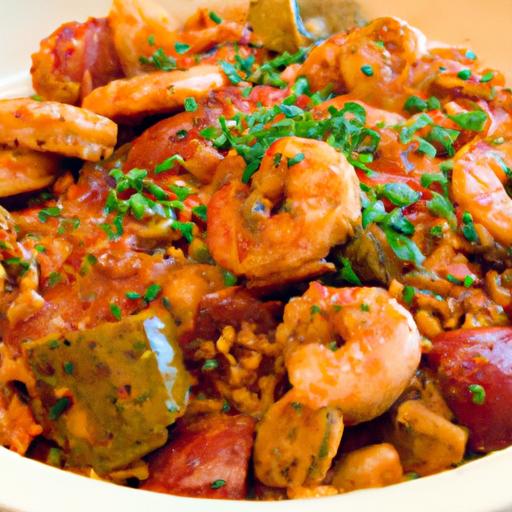

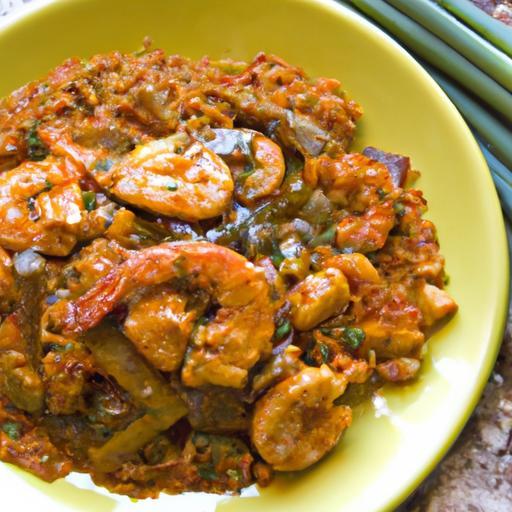

step into a world where every spoonful tells a story, where vibrant spices dance with tender meats and fresh vegetables to create a symphony of flavors that is both bold and comforting. Welcome to the realm of jambalaya-a beloved dish that embodies the rich heritage and spirited soul of Cajun and Creole cuisine. In this culinary journey, we’ll unravel the magic behind jambalaya’s irresistible charm, exploring its storied origins, secret ingredients, and the cultural melting pot that gave rise to this iconic Southern masterpiece. Prepare to awaken your senses and deepen your recognition for a dish that’s as much about history and community as it is about flavor.
Jambalaya journey: Unveiling Cajun Creole Flavor Magic is more than just a culinary adventure-it’s a vibrant passage through the heart of Louisiana’s rich tapestry of cultures. this iconic dish effortlessly marries French, Spanish, West African, and Native American influences, creating a one-pot masterpiece steeped in history and bold flavors. Growing up in the South, I remember how the aroma of smoked sausage and spices simmering together drew family and friends around the table. Today,this guide will equip you with everything you need to replicate that soulful magic right in your kitchen.
Prep and Cook Time
- Preparation: 20 minutes
- Cooking: 50 minutes
- Total Time: 1 hour 10 minutes
Yield
Serves 6 hearty portions, perfect for sharing with loved ones or savoring as comforting leftovers.
Difficulty Level
Medium – ideal for home cooks ready to embrace a flavorful challenge with patient, attentive cooking.
Ingredients
- 2 tablespoons olive oil
- 1 lb boneless, skinless chicken thighs, cut into bite-sized pieces
- 1 lb Andouille-style turkey sausage or smoked chicken sausage, sliced
- 1 large onion, finely chopped
- 1 green bell pepper, diced
- 2 celery stalks, diced
- 4 cloves garlic, minced
- 1 (14.5 oz) can diced tomatoes, undrained
- 1 ½ cups long-grain white rice, rinsed
- 3 cups low-sodium chicken broth
- 2 teaspoons Cajun seasoning (store-bought or homemade blend)
- 1 teaspoon smoked paprika
- 1 teaspoon dried thyme
- 2 bay leaves
- 1 cup peeled and deveined medium shrimp (optional, added near the end)
- Salt and freshly ground black pepper, to taste
- Fresh parsley and sliced green onions, for garnish
Instructions
- Heat olive oil over medium-high heat in a heavy-bottomed Dutch oven or large skillet.
- Add diced chicken thighs and sausage, sauté until browned and cooked through, about 6-8 minutes. Remove and set aside.
- In the same pot, add chopped onion, bell pepper, and celery. Sauté until softened, about 5 minutes, stirring occasionally to prevent sticking.
- Stir in minced garlic and cook for another 30 seconds until fragrant.
- Add diced tomatoes, Cajun seasoning, smoked paprika, thyme, and bay leaves. Stir well to combine all flavors.
- Return the browned chicken and sausage to the pot, stirring gently.
- Pour in the chicken broth and bring to a gentle boil.
- Add rinsed rice evenly across the pot. Without stirring, reduce heat to low and cover with a tight-fitting lid.
- Cook for 20-25 minutes until rice is tender and has absorbed most of the liquid. Avoid removing the lid prematurely to keep steam trapped.
- If including shrimp, stir them in now, cover, and cook for an additional 5 minutes until shrimp are pink and cooked through.
- Taste and adjust seasoning with salt and pepper. Remove bay leaves before serving.
- garnish generously with fresh parsley and sliced green onions for a burst of color and freshness.
Chef’s Notes: Tips for Success
- Rice choice is key: Use long-grain white rice for the classic texture that remains fluffy and separate.
- Layer your spices: Toast dried herbs briefly with the vegetables to awaken their aroma.
- Choice proteins: Try substituting chicken thighs with skinless turkey breast for a leaner option.
- Make-ahead: Jambalaya tastes even better the next day! Store leftovers in an airtight container and reheat gently on the stovetop with a splash of broth.
- Keep it smoky: Smoked turkey sausage delivers classic Cajun depth without pork.
Serving Suggestions to Elevate Your Jambalaya Experience
Present your jambalaya steaming hot in rustic earthenware bowls. Complement with crusty French bread or garlic bread to soak up the rich sauce. For a refreshing counterbalance, serve alongside a crisp green salad tossed in a lemon vinaigrette. Garnish each bowl with a sprinkle of finely chopped fresh parsley and vibrant green onions that add color and brightness.
For an extra treat, a dollop of homemade creole mustard or hot sauce on the side offers a spicy kick that can be customized to taste. Pair your meal with a chilled glass of sweet iced tea or a sparkling water with a hint of citrus to cleanse the palate.

Nutritional Information
| Nutrient | Per Serving |
|---|---|
| Calories | 430 kcal |
| Protein | 35 g |
| Carbohydrates | 40 g |
| Fat | 12 g |
For more Southern comfort classics, check out our Authentic Louisiana Gumbo Recipe. To deepen your understanding of Cajun cuisine’s heritage, visit the Louisiana Travel official site.
Q&A
Q&A: Jambalaya Journey: Unveiling Cajun Creole Flavor magic
Q1: What makes jambalaya such an iconic dish in Cajun and Creole cuisine?
A1: Jambalaya is the vibrant heartbeat of Cajun and Creole cooking-a harmonious blend of spices, ingredients, and cultural history simmering together in one pot. Its magic lies in its versatility and richness, combining bold seasonings with the textures of rice, vegetables, and proteins to create a dish that tells the story of Louisiana’s diverse heritage.
Q2: What are the essential ingredients that bring jambalaya to life without relying on pork?
A2: Traditional jambalaya centers around the “holy trinity” of cajun cooking: onions, bell peppers, and celery. Thes vegetables create a flavorful base. Layer in hearty proteins like chicken, shrimp, or smoked turkey, and add robust spices such as smoked paprika, cayenne, thyme, and bay leaves. Long-grain rice absorbs all these vibrant flavors, tying the dish together beautifully.
Q3: How does jambalaya differ between Cajun and Creole styles?
A3: The main difference lies in the ingredients and cooking technique. Cajun jambalaya typically features a browned base, with a rustic and smoky flair-often using smoked meats or seafood-while Creole jambalaya tends to be “red,” with tomatoes enhancing the sauce and a slightly lighter texture.Both styles, however, celebrate the richness of Louisiana’s flavor palette.Q4: Can jambalaya be adapted for those who prefer a vegetarian or pescatarian diet?
A4: Absolutely! Jambalaya’s flexible nature invites creativity. For vegetarians,hearty mushrooms or plant-based sausages can replace meat,while maintaining the deep flavors with vegetable broth and the holy trinity. Pescatarians can focus on shrimp, crab, or fish, ensuring the dish stays true to the coastal roots of Creole cooking.
Q5: What cooking tips can help unlock the full flavor potential of jambalaya?
A5: Patience and layering are key. Start by slowly sautéing the vegetables until soft and fragrant, then add spices to toast and release their aroma. Browning your chosen protein adds depth, and simmering the rice with the broth and spices allows every grain to soak up the magic. Resist stirring to much, so the rice develops a subtle crust at the bottom-a prized texture known as “the pot’s treasure.”
Q6: How does jambalaya reflect the cultural melting pot of Louisiana?
A6: Jambalaya encapsulates centuries of influence-from French and spanish settlers to West african and Native American traditions-melding flavors, techniques, and ingredients. It’s more than a dish; it’s a flavorful tapestry that celebrates resilience, community, and the joyous spirit of Louisiana’s diverse peoples.
Q7: What are some common misconceptions about jambalaya?
A7: One common misconception is that jambalaya is simply a spicy rice dish. In reality,it’s a carefully balanced symphony of flavors,textures,and aromas,where each ingredient plays a vital role. another myth is that it requires complicated or hard-to-find ingredients; on the contrary, jambalaya embraces humble staples elevated through skillful cooking and seasoning.
Q8: How can home cooks balance authenticity with their own culinary twists?
A8: Respect the essence of jambalaya-the holy trinity, bold spices, and soulful cooking method-then experiment thoughtfully. Swap proteins, explore alternative grains like brown rice or quinoa, or adjust spice levels to suit your palate. By honoring tradition while making it your own, you keep the jambalaya tradition alive and evolving.
Embrace the journey of jambalaya, where every spoonful is a party of Cajun and Creole flavor magic-bold, soulful, and endlessly inviting.
Future Outlook
As our jambalaya journey winds to a close, we’ve uncovered more than just a recipe-we’ve embraced a vibrant story simmering with history, culture, and culinary artistry. This beloved Cajun Creole dish is more than a medley of ingredients; it’s a flavorful celebration of Louisiana’s rich heritage and the magic that happens when bold spices meet soulful cooking. Whether you’re a seasoned chef or an adventurous foodie, letting jambalaya grace your table is an invitation to savor tradition with every bite. So next time you hear that pot bubbling with Creole magic, remember: you’re not just cooking-you’re partaking in a timeless flavor journey that continues to enchant taste buds around the world.