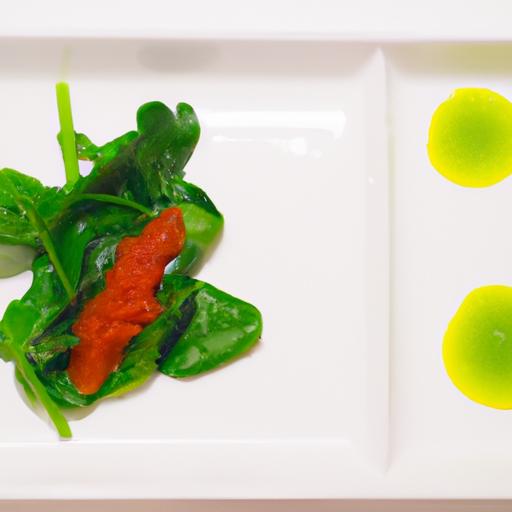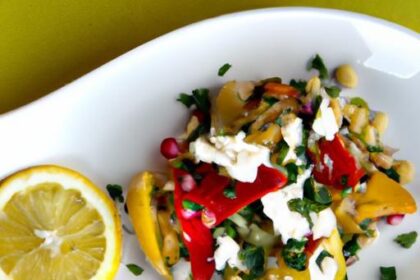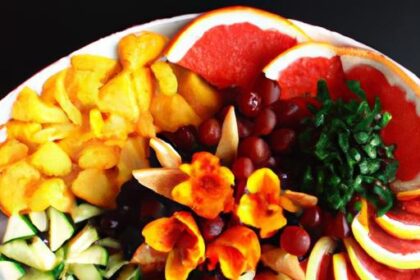

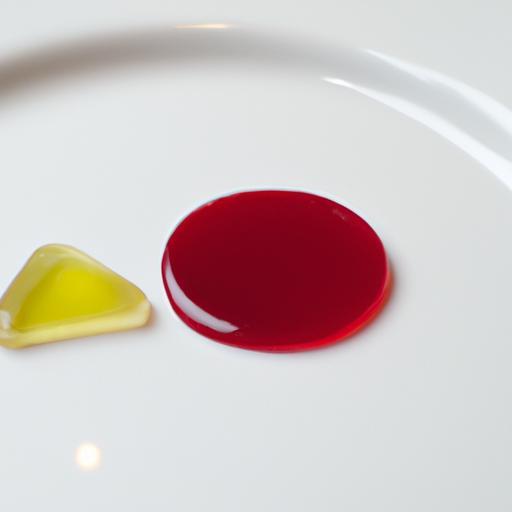

In the ever-evolving world of culinary arts, a revolutionary approach is transforming ordinary kitchens into playgrounds of scientific wonder. Molecular gastronomy,a captivating fusion of science and cooking,invites home chefs to unlock new dimensions of flavor,texture,and presentation. imagine crafting dishes that fizz, foam, and transform before yoru eyes-bold creations that tantalize the senses and challenge conventional cooking boundaries. This article delves into the essentials of mastering molecular gastronomy at home, equipping you with the knowledge and techniques to turn everyday ingredients into unusual culinary masterpieces. Get ready to embark on a flavorful adventure where chemistry meets creativity, and your kitchen becomes a laboratory of flavorful finding.
Unlocking flavor begins with the right tools and ingredients that enable molecular gastronomy enthusiasts to transform the ordinary into the extraordinary. Exploring this innovative culinary realm at home turns everyday dishes into sensory experiences bursting with unexpected textures and vibrant tastes. Whether you’re aiming to craft delicate spheres that burst with juice or silky foams that elevate a simple sauce, having the essentials ready will empower you to unlock your full creative potential as a home chef.
Prep and Cook Time
- Preparation: 20-30 minutes (varies by technique)
- Cook time: 10-15 minutes (plus setting time for gels or spheres)
- Total Time: Approximately 40 minutes to 1 hour
yield
Materials and ingredients for multiple experiments, approximately 4 servings per recipe depending on specific dish.
Difficulty Level
Medium to Advanced – Molecular gastronomy requires precision but is highly rewarding with practice.
Essential Tools and Ingredients to Unlock Flavor at Home
Begin your molecular gastronomy journey with a curated selection of tools designed to finesse texture and presentation. These instruments bridge science and culinary art:
- Syringe or Pipette: For precise liquid handling, crucial when making spheres or droplets.
- Digital Scale: Accuracy is king-precise measurements of molecular powders like sodium alginate or calcium chloride ensure success.
- immersion Blender: Ideal for homogenizing solutions without incorporating excess air, creating smooth gels and emulsions.
- Fine Mesh Sieve: To strain solutions,removing unwanted particles and ensuring silky textures.
- Silicone Molds or Spoons: For shaping gels and culinary foams into captivating bites.
- Measuring Spoons: Crucial for tiny quantities of potent additives like lecithin or agar-agar.
- pH Strips (optional): To monitor acidity, influencing gel setting properties and flavor profiles.
On the ingredient front, the magic happens with a handful of molecular powders and culinary basics:
- Sodium Alginate (1% solution): used for spherification, yielding spheres with liquid centers that pop delightfully.
- Calcium Chloride (0.5% solution): Cross-links alginate to create firm gels instantly.
- Agar-Agar Powder (1%-2%): A plant-based gelling agent ideal for firm yet brittle gels that hold shape when heated.
- Soy Lecithin (0.5%-1%): Emulsifier that helps create rich, stable foams and velvety textures.
- Maltodextrin: Converts oils into powder, opening doors for playful presentations and surprising mouthfeels.
- Natural Fruit juices and Purees: Freshly strained juices imbue spheres and gels with shining, organic flavors.
- Gelatin Sheets (optional): While plant-based gelling agents are preferred, gelatin provides a delicate, melt-in-the-mouth crackling gel.
- Distilled or Filtered Water: To prevent impurities affecting chemical reactions.
Step-By-Step Technique: classic Spherification of Citrus Juice
- Prepare the alginate Bath: In a tall container, blend 1 g of sodium alginate with 100 ml of distilled water using an immersion blender. Let it hydrate for 30 minutes,then strain through a fine mesh sieve.
- Prepare Calcium Bath: Dissolve 2 g of calcium chloride in 400 ml of water in a separate bowl.
- Mix Juice: Take 100 ml fresh citrus juice (e.g., orange or lemon) and mix thoroughly with 1 g of calcium lactate-enhances gelation in reverse spherification.
- Create spheres: Using a syringe or spoon, drip the juice mixture carefully into the alginate bath to form spheres. Let them set for 1-2 minutes until a thin gel skin forms.
- Rinse: Remove spheres gently with a slotted spoon and dip them in clean water to rinse excess alginate, preserving a clean burst of flavor inside.
- Serve Instantly: Present on a small plate or in a cocktail glass for a striking visual and taste sensation.
Tips for Success
- Control Temperature: Warm liquids can affect gelation properties. Use room temperature ingredients for best results.
- Use Fresh Ingredients: High acidity, like from citrus, interacts well with alginate; overly sweet or thick blends may hinder gel formation.
- Test Ratios: Slight tweaks in sodium alginate or calcium chloride concentrations can change textures dramatically. Start small and adjust gradually.
- Work Quickly: Spheres can degrade if left too long in calcium bath; timing is key.
- Storage: Spheres are best consumed within a couple of hours to enjoy their delicate texture.
- Substitutions: Agar-agar can replace gelatin for vegan-kind gels but requires boiling and different setting times.
Serving Suggestions
For a truly immersive experience, arrange the spheres atop a bed of finely crushed ice or alongside delicate microgreens that add a subtle peppery bite. garnish with edible flowers or zest curls to add color contrast and elevate visual appeal. Pair these citrus bursts with a chilled sparkling water infused with fresh herbs, creating a harmonious balance of texture and aroma that sparks curiosity and delight.

| Ingredient | Amount | Function |
|---|---|---|
| Sodium alginate | 1 g per 100 ml water | Forms gel membrane in spherification |
| Calcium Chloride | 2 g per 400 ml water | Cross-links alginate creating gel texture |
| Agar-Agar | 1-2% | Vegan gelling agent for firm gels |
| Soy Lecithin | 0.5-1% | Emulsifies and stabilizes foams |
For a deeper dive into molecular gastronomy techniques beyond spherification, explore our detailed guide on advanced molecular cooking techniques. Additionally, the Science Daily overview on food texture innovation is an excellent resource to understand the science behind these transformations.
Q&A
Q&A: Unlocking Flavor – Mastering Molecular Gastronomy at Home
Q1: What exactly is molecular gastronomy, and why is it becoming so popular among home cooks?
A1: Molecular gastronomy is the art and science of transforming ingredients through innovative techniques to create unexpected textures, flavors, and visual experiences. It’s like a culinary playground where food becomes a thrilling experiment. Home cooks are drawn to it because it breaks the traditional boundaries of cooking, turning dinner into a multisensory adventure right in their own kitchen.
Q2: What are some basic tools I need to start experimenting with molecular gastronomy at home?
A2: You don’t need a full-on laboratory! Start simple-with tools like a digital scale for precision, a kitchen syringe for injecting or shaping gels, silicone molds, an immersion blender, and some syringes or pipettes. Ingredients like agar-agar, xanthan gum, lecithin, and sodium alginate will become your trusted companions for creating foams, gels, and spheres.
Q3: How can beginners create molecular gastronomy dishes without specialized equipment?
A3: Creativity is your best tool! Many molecular techniques are accessible with everyday kitchen items. for example,making a luscious fruit caviar using spherification onyl requires calcium water and sodium alginate-both widely available online. Emulsions like foams can be whisked by hand or with a blender. The trick is understanding the science behind texture and flavor, then starting with simple recipes to build confidence.
Q4: What ingredients are most commonly used in molecular gastronomy, and why?
A4: The magic lies in hydrocolloids-ingredients that manipulate textures by thickening, gelling, or stabilizing. Agar-agar (plant-based gelatin substitute) creates firm gels, xanthan gum thickens sauces without heat, and lecithin whips into delicate foams. Using these ingredients allows you to challenge the usual mouthfeel and surprise your palate while intensifying flavors.
Q5: Can molecular gastronomy techniques enhance the flavor of everyday ingredients?
A5: Absolutely! Molecular magic isn’t about masking flavors but amplifying them. Such as,encapsulating a burst of citrus juice into little spheres can deliver concentrated zesty pops in a salad or dessert. Dehydrating herbs or vegetables into powders adds punchy umami notes without extra moisture. Playing with texture changes how your taste buds experience the same ingredient,making the familiar feel extraordinary.
Q6: Any tips for balancing creativity with practicality when experimenting at home?
A6: Start with dishes that complement your daily cooking style-think sauces, garnishes, or cocktails (sans wine!) that add a molecular twist without overwhelming the prep. Document your trials: precise measurements and steps help refine your craft. Embrace happy accidents, and remember that molecular gastronomy is as much about fun and discovery as it is about technique.
Q7: Are molecular gastronomy methods safe to try at home?
A7: Yes! When used correctly, the common hydrocolloids and techniques in molecular gastronomy are safe and often healthier alternatives to traditional additives. Just be sure to source quality ingredients from reputable suppliers and follow precise recipes. Avoid experimenting with unfamiliar chemicals; stick to edible, food-grade substances to keep your culinary explorations delicious and safe.
Q8: How can molecular gastronomy transform a traditional dessert?
A8: Imagine turning a classic fruit tart into a mesmerizing dish where the fruit juices become shimmering pearls that burst in your mouth, or serving a chocolate mousse with an airy, ethereal foam on top. Molecular techniques can reshape textures and presentations, making desserts not just a treat for taste buds but a feast for the eyes and inventiveness as well.Q9: Where can enthusiasts find reliable resources to learn more about molecular gastronomy?
A9: Books by pioneering chefs, online courses, and cooking forums focused on science in the kitchen are treasure troves. Websites dedicated to culinary science often share beginner-friendly recipes and troubleshooting tips. Joining a community of fellow experimenters amplifies the fun and expands your knowledge through shared experiences.
Q10: What’s the ultimate benefit of mastering molecular gastronomy at home?
A10: Beyond impressing friends and family with wow-factor plates, molecular gastronomy enhances your understanding of how ingredients behave and interact at a fundamental level. This empowers creativity, nurtures curiosity, and transforms cooking from a routine into an exciting journey of taste, texture, and innovation-right on your own countertop.
Final Thoughts
As you step back from your bubbling concoctions and whimsical presentations, remember that mastering molecular gastronomy at home is more than a culinary experiment-it’s an invitation to play, discover, and deepen your understanding of the science behind flavor. by embracing these techniques, you’re not just cooking; you’re unlocking new dimensions of taste and texture that transform everyday ingredients into extraordinary experiences. So don your apron, gather your tools, and let curiosity lead the way-because the future of flavor is in your hands, waiting to be crafted one thrilling molecule at a time.