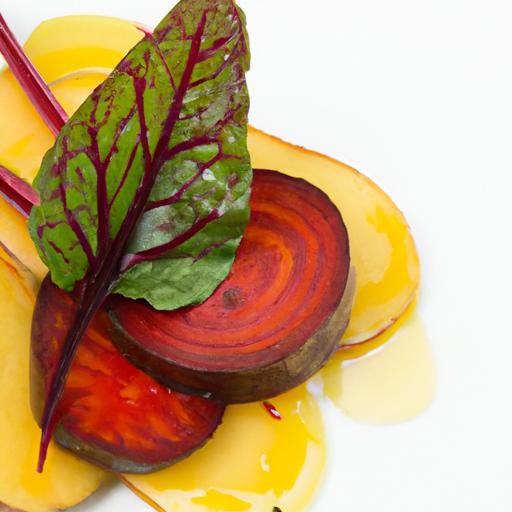




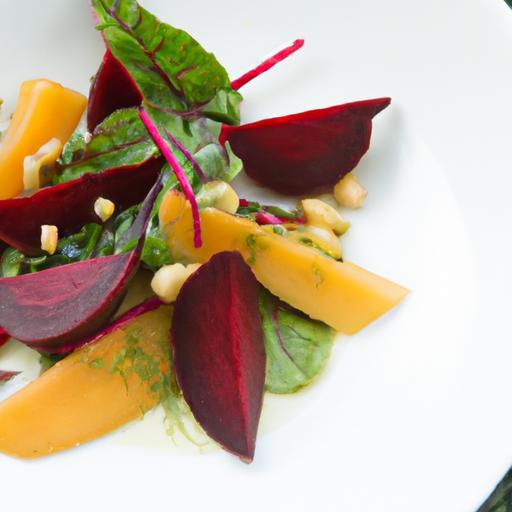

Beneath the earthS humble surface lies a treasure trove of color and flavor,frequently enough overshadowed by its ruby-red cousin-the yellow beet. Radiant and radiant, yellow beets burst onto the culinary scene with their golden hues and subtle sweetness, inviting food lovers and gardeners alike to explore their vibrant world. In this article, we journey through the golden roots’ rich history, nutritional prowess, and versatile uses, unveiling the beauty and brilliance of yellow beets that have long been waiting to brighten plates and palates around the globe.
The History and Heritage of Yellow Beets in Global Cuisine
Golden Roots: The vibrant World of Yellow Beets Unveiled begins with an exploration of these radiant tubers that have brightened plates and palates for centuries. Unlike their deep red cousins, yellow beets carry a rich heritage dating back thousands of years-rooted in both Eastern Europe and the Mediterranean where farmers prized their sweet, mellow flavor and striking golden hue. evolving from ancient varieties celebrated for their medicinal and culinary benefits,yellow beets quickly became a symbol of nourishment,vitality,and artistry in the kitchen.
Their subtle earthiness and brilliant color made them a beloved staple in Russian borschts and Italian antipasti alike. In Middle Eastern cuisine, their natural sweetness complemented zesty spices and tangy dressings, enhancing dishes from salads to stews. These golden gems retain a sense of history not only through their use but also by carrying forward the sustainable agricultural practices of heirloom root vegetables cherished through generations.
Nutritional Powerhouse Uncovered Beyond the Red Beet
Far beyond their captivating color, yellow beets are a nutritional powerhouse. Enriched with folate, potassium, and antioxidants, they deliver a gentle cleanse for your body without the intense pigment stain typical of red beets. A serving bursts with dietary fiber promoting digestive health and betalains with anti-inflammatory benefits.
Compared to the common red variety, golden roots provide a mild, sweeter taste that many find more approachable, especially for children or those new to beets. Their high vitamin C content supports immune function, while naturally occurring nitrates help improve blood flow and cardiovascular health.
Cultivating Golden Roots successfully in Your Home Garden
Growing these golden roots in your own garden is an immensely rewarding experience. They thrive in well-drained, fertile soil with consistent moisture and prefer cooler climates to develop their sweet flavor profile. Starting seeds indoors about 3-4 weeks before the last frost or direct sowing in early spring will yield the best harvest.
Rotate crops to avoid pest buildup, and thin seedlings to about 3 inches apart to encourage rotund roots. Yellow beets mature in approximately 50-60 days and can be harvested as tender baby beets or left to grow larger for robust roasting. Their greens are edible too, adding an additional nutrient boost to your meals.
Creative Culinary Ideas to Showcase Yellow Beets Vibrancy
Embrace the inviting glow of golden roots in recipes that celebrate both visual appeal and dynamic flavors.try roasting thick beet wedges drizzled with maple syrup and fresh thyme for a caramelized finish that dazzles the eyes and palate. For a refreshing twist, spiralize yellow beets into ribbons, tossing them with lemon vinaigrette, toasted walnuts, and crumbled feta for a salad bursting with texture and brightness.
Integrate yellow beets in grain bowls alongside quinoa, citrus segments, and avocado for a nutrient-dense meal, or blend them into creamy hummus for a show-stopping dip. Their natural sweetness pairs beautifully with tangy goat cheese or nutty brown butter sauces, making them versatile in appetizers, mains, and even desserts like beet-infused custards or cakes.
Golden Roasted Yellow Beets with Herb Vinaigrette
This simple yet stunning dish perfectly highlights the natural sweetness and earthy undertones of yellow beets. infused with a zesty herb vinaigrette,it’s a delightful side or salad component that brings out the best in your golden roots.
Prep and Cook Time
- Prep Time: 15 minutes
- Cook Time: 40 minutes
- total Time: 55 minutes
Yield
Serves 4 as a side dish
difficulty Level
Easy - Perfect for beginner and seasoned cooks alike
Ingredients
- 4 medium yellow beets,scrubbed and tops trimmed
- 2 tbsp extra-virgin olive oil,divided
- 1 tbsp fresh lemon juice
- 1 tsp Dijon mustard
- 1 tsp honey or pure maple syrup
- 2 tbsp fresh parsley,finely chopped
- 1 tbsp fresh thyme leaves
- Salt and freshly ground black pepper,to taste
- Optional garnish: toasted pumpkin seeds or crumbled goat cheese
Instructions
- Preheat your oven to 400°F (200°C). Wrap each beet individually in aluminum foil and place on a baking sheet.
- Roast beets for 35-40 minutes, or until they are fork-tender when pierced. The skins will loosen and shrivel slightly.
- remove from the oven and allow beets to cool enough to handle. Gently rub skins with your fingers or a paper towel to peel them off-no need to be perfect.
- Slice beets into ½-inch thick rounds or wedges, arranging them on a serving platter.
- In a small bowl, whisk together 1 tbsp olive oil, lemon juice, Dijon mustard, honey, salt, and pepper until emulsified.
- Drizzle this herb vinaigrette over the beet slices, then scatter the chopped parsley and thyme evenly.
- Drizzle remaining olive oil for a glossy finish. Add optional pumpkin seeds or goat cheese if desired for crunch and creaminess.
- Serve instantly or chill for 30 minutes to enjoy it as a refreshing cold salad.
Tips for Success
- For a quicker method,slice raw beets thinly and roast on a sheet pan with olive oil at 425°F (220°C) for 25-30 minutes,flipping halfway through.
- Keep beet stains away from your hands and clothes by wearing gloves or using a cutting board dedicated exclusively to beets.
- Substitute thyme with rosemary or basil depending on your herb preference.
- This dish can be prepared a day ahead; flavors often deepen after refrigeration.
Serving Suggestions
Serve golden roasted beets as a vibrant side alongside grilled chicken or roasted vegetables. Incorporate it into a composed salad with arugula, toasted walnuts, and citrus slices for a festive lunch. For a colorful appetizer, layer beet slices on crostini topped with whipped ricotta and a drizzle of honey. Garnish plates with microgreens or edible flowers to heighten the visual delight of your golden roots party.

| Nutrient | Per Serving (100g) |
|---|---|
| Calories | 60 kcal |
| Protein | 2 g |
| Carbohydrates | 13 g |
| Fat | 3 g |
| Fiber | 3.5 g |
Unlock even more inspiration for vegetable-forward dishes by exploring our in-depth guide on root vegetable recipes. For the latest research on the health benefits of beets, visit the National Center for Complementary and Integrative Health.
Q&A
Q&A: Golden Roots – The Vibrant World of Yellow Beets Unveiled
Q1: What makes yellow beets different from their red counterparts?
A1: Yellow beets, frequently enough called golden beets, stand out with their sunny hue and slightly milder, sweeter flavor compared to the earthier, more robust taste of red beets. Their golden color means they contain different pigments, primarily betalains called betaxanthins, which give them that vibrant, sunny glow and a unique antioxidant profile.
Q2: Are yellow beets as nutritious as red beets?
A2: Absolutely! Yellow beets pack an impressive nutritional punch. They’re rich in fiber, vitamins C and A, potassium, and folate. Their antioxidants support liver health,reduce inflammation,and help combat oxidative stress-all while adding a cheerful pop of color to your plate.
Q3: How can I prepare yellow beets to bring out their best flavor?
A3: Yellow beets shine when roasted, which intensifies their natural sweetness and caramelizes their sugars. you can also steam, boil, or even pickle them to enjoy their crisp texture and vibrant taste. Try slicing them thin for salads or roasting small golden beets whole for a tender, melt-in-your-mouth treat.
Q4: What are some creative ways to use yellow beets in cooking?
A4: Yellow beets are versatile gems! Chop them into salads for a burst of color, blend into smoothies for a subtly sweet earthiness, or puree into vibrant soups. They also make excellent additions to grain bowls, paired beautifully with nuts, fresh herbs, and tangy dressings. Their mellow flavor partners wonderfully with citrus, goat cheese, and roasted vegetables.Q5: Can the golden color of yellow beets fade during cooking?
A5: Like many colorful vegetables,yellow beets can lose some vibrancy if overcooked. To preserve their brilliant color, cook them gently-roasting and steaming tend to retain their vibrancy better than boiling. For pickling, quick soaking in an acidic brine helps maintain that golden hue.
Q6: Are yellow beets easy to grow at home?
A6: Yes! Yellow beets are hearty root vegetables that thrive in cool weather and well-drained soil. They typically mature faster than red beets and can be harvested young for tender, petite roots or left to grow larger. Their bright roots make a striking addition to the home garden palette.
Q7: Do yellow beets have any special cultural or historical importance?
A7: While all beets have ancient roots tracing back to the Mediterranean, yellow beets have gained popularity in recent decades for their unique color and flavor. Historically, golden beets were prized as food and natural dyes, symbolizing vitality and the warm glow of the sun-apt metaphors for their radiant appearance.
Q8: How should yellow beets be stored to keep them fresh and vibrant?
A8: To keep yellow beets fresh, trim the leafy greens (which can be cooked separately) and store the roots in a cool, humid surroundings like the vegetable crisper of your fridge. Wrapped in a slightly damp paper towel inside a perforated bag,they’ll stay firm and colorful for up to two weeks.
Q9: can yellow beet greens be eaten as well?
A9: Definitely! Yellow beet greens are tender, nutritious, and flavorful, much like Swiss chard. Sauté them lightly with garlic and olive oil, add them to soups, or toss them raw into salads for a slightly earthy, bright green addition that complements the golden roots perfectly.
Q10: What flavor profiles pair best with yellow beets?
A10: Yellow beets thrive alongside bright, fresh, and slightly tangy flavors. Think citrus fruits like oranges or lemons, creamy elements like cheeses and nut-based dressings, and aromatic herbs such as dill, mint, or tarragon. Their natural sweetness balances well with a touch of spice from ingredients like cumin or black pepper.
Explore the golden world of yellow beets and let these radiant roots brighten your culinary adventures with color, nutrition, and a touch of natural sunshine!
Final Thoughts
as the golden hues of yellow beets continue to brighten plates and palates around the world, their story reminds us that nature’s palette is as diverse as it is delicious. From earthy fields to vibrant kitchens, these radiant roots offer more than just color-they bring nutrition, versatility, and a touch of culinary magic. Whether roasted, pickled, or juiced, yellow beets invite us to explore new flavors and celebrate the unexpected beauty beneath the soil. In unveiling the vibrant world of yellow beets, we rediscover a humble vegetable that dazzles with both taste and tradition, proving that sometimes, the brightest treasures grow quietly underground.