

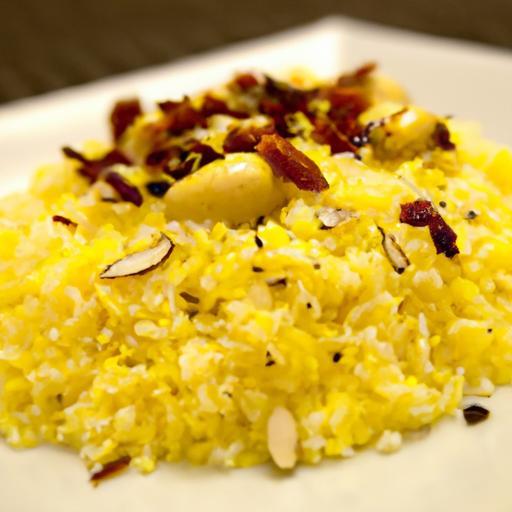

Beneath its humble exterior, turmeric rice holds a world of wonder-a vibrant tapestry woven from nature’s golden spice and the artful craft of cooking. This deceptively simple dish has charmed kitchens across cultures, its sunlit hue and earthy aroma inviting both curiosity and comfort. But beyond its radiant color and tantalizing flavor lies a fascinating interplay of science and tradition. In “Golden Glow: The Science and Art of Turmeric Rice,” we delve into how the magical pigment curcumin transforms plain grains into a feast for the senses, explore the culinary techniques that unlock its fullest potential, and discover why this ancient staple continues to shine in modern gastronomy. Join us on a journey where chemistry meets creativity, and every grain glimmers with story and substance.
Turmeric rice is more than a vibrant, golden-hued side dish-it’s a harmonious blend of science, culture, and culinary artistry that transforms simple grains into a radiant experience. At the heart of this recipe lies the dazzling chemistry of turmeric’s curcumin, which not only imparts its characteristic color but also delivers a powerhouse of health benefits. As you explore turmeric rice, you’ll discover how to achieve perfect texture and flavor balance while honoring cultural inspirations and modern creative twists.
Prep and Cook Time
- Preparation Time: 10 minutes
- Cooking Time: 25 minutes
- Total Time: 35 minutes
Yield
Serves 4 generously as a side dish
Difficulty Level
Easy to Medium – perfect for home cooks looking to elevate everyday rice with bold color and subtle warmth
Ingredients
- 1 ½ cups basmati rice, rinsed and soaked for 20 minutes
- 1 ¾ cups water (or low-sodium vegetable broth for extra flavor)
- 1 tablespoon coconut oil or ghee
- 1 teaspoon ground turmeric (freshly ground preferred for intensity)
- 1 small onion, finely chopped
- 2 garlic cloves, minced
- ½ teaspoon cumin seeds
- ¼ teaspoon black pepper (enhances curcumin absorption)
- 1 bay leaf
- Salt to taste (start with ½ teaspoon)
- Fresh cilantro or parsley, chopped, for garnish
Instructions
- Prepare the rice: Rinsing and soaking basmati rice removes excess starch and encourages fluffy, separate grains. Drain and set aside.
- Toast spices: Warm the coconut oil in a medium saucepan over medium heat. add cumin seeds and bay leaf, sauté until aromatic, about 1 minute.
- Sauté aromatics: Add the chopped onion and cook until translucent and golden, around 5 minutes. Stir in minced garlic and cook another 1 minute to release its fragrance without burning.
- Infuse turmeric: Sprinkle in the turmeric and black pepper, stirring for 30 seconds to unlock their vibrant color and healthful compounds.
- Add rice and liquid: Introduce the drained rice to the pot, stirring gently to coat each grain evenly with the turmeric-spiced oil. Pour in water or broth, and salt. Bring to a boil.
- simmer to perfection: Once boiling, reduce heat to low, cover tightly, and cook undisturbed for 15 minutes. Avoid lifting the lid to trap steam essential for ideal fluffiness.
- rest and fluff: After cooking, remove from heat and let rice steam for 10 minutes with the lid on. Fluff with a fork to separate grains fully.
- Garnish and serve: Sprinkle freshly chopped cilantro or parsley for a burst of freshness and visual contrast to the radiant yellow rice.
Tips for Success: Mastering the Golden Glow
- Enhancing color: To intensify turmeric’s golden hue without bitterness, choose high-quality fresh turmeric powder, and toast it gently with spices before adding liquids.
- Preserving nutrients: Adding a pinch of black pepper dramatically boosts curcumin absorption, maximizing turmeric’s anti-inflammatory effects as confirmed by clinical studies.
- Texture tips: Soaking basmati rice reduces cooking time and results in tender yet distinct grains. Avoid stirring rice during simmering to prevent stickiness.
- Flavor balance: Coconut oil adds a delicate sweetness, complementing turmeric’s earthiness – a nice alternative to ghee for dairy-free diets.
- Make-ahead: This rice reheats beautifully. Store cooled rice in an airtight container in the refrigerator for up to 3 days. Reheat gently with a splash of water, covered, to revive fluffiness.
- Creative swap: For a Middle eastern flair, toss in toasted pine nuts and raisins just before serving.
Serving Suggestions to Elevate the Experience
The warm golden glow of this turmeric rice makes it an ideal canvas for various culinary pairings. Serve it alongside grilled chickpea or vegetable kebabs for a wholesome vegetarian feast, or pair with spiced roasted chicken or fish for a hearty meal. garnishing with fresh herbs, a sprinkle of toasted sesame seeds, or a dollop of cooling yogurt-based raita adds delightful textural contrast and freshness.
| Nutrient | Per Serving |
|---|---|
| Calories | 210 kcal |
| Protein | 4 g |
| Carbohydrates | 44 g |
| Fat | 4.5 g |

Discover more inspiration with our authentic Indian rice recipes to keep your culinary journey vibrant and wholesome.
Q&A
Q&A: Golden Glow – The Science and Art of turmeric Rice
Q1: What makes turmeric rice so vibrant and visually appealing?
A1: The radiant golden hue of turmeric rice comes from the compound curcumin, a natural pigment found in turmeric root. When cooked, this pigment infuses each grain with a warm, sunny yellow glow that brightens up the plate and whets the appetite long before the first bite.
Q2: Beyond its beautiful color, does turmeric affect the flavor of the rice?
A2: Absolutely! Turmeric imparts a subtle earthy warmth with hints of pepper and ginger. It’s gentle but distinct,providing a layered complexity that pairs well with a variety of spices and herbs. This nuanced flavor transforms simple rice into a fragrant, captivating dish.
Q3: How does turmeric rice fit into different culinary traditions?
A3: Turmeric rice is a global canvas. In Indian cuisine, it often serves as a foundation for dals and curries. Across Southeast Asia, turmeric rice complements fish and vegetable dishes. Its global appeal lies in the perfect balance of vibrant color and mild spice that harmonizes with numerous flavor profiles.Q4: are there health benefits associated with eating turmeric rice?
A4: Yes! Turmeric is celebrated for its antioxidant and anti-inflammatory properties, primarily due to curcumin. Incorporating turmeric rice into your meals can offer digestive support and contribute to overall wellness, making each bite as nourishing as it is tasty.Q5: What are some creative ways to elevate turmeric rice at home?
A5: Elevate turmeric rice by toasting whole spices like cumin, mustard seeds, or cardamom before cooking, enhancing its aromatic depth. Incorporate sautéed onions,garlic,or a touch of coconut milk for richness. Garnishing with fresh herbs such as cilantro or parsley adds a fresh green contrast, making the dish a feast for both eyes and palate.
Q6: Can turmeric rice be made with different types of rice?
A6: Certainly! While basmati and jasmine rice are popular choices for their fragrance and fluffiness, turmeric’s vibrant color beautifully colors short-grain and brown rice varieties too. Each type offers a unique texture and flavor complexity, giving you plenty of room for delicious experimentation.
Q7: How should turmeric rice be paired for a balanced meal?
A7: Turmeric rice shines alongside colorful vegetable dishes,legumes,grilled or roasted chicken,and seafood. Its mild heat and golden tint complement a range of proteins and plant-based sides, creating meals that are not only balanced but visually inviting and satisfying.
Q8: Any tips to prevent turmeric stains while cooking?
A8: Turmeric’s pigments can be a bit stubborn! To avoid staining, use utensils and cookware dedicated to turmeric cooking, wash spills promptly, and protect your hands with gloves if desired. Remember, a little turmeric goes a long way in flavor and color-start with modest amounts and adjust as you go.
Q9: What’s the secret to perfectly fluffy turmeric rice?
A9: Rinse your rice thoroughly to remove excess starch, then toast it lightly in oil or ghee with turmeric before adding water or broth.Use a gentle simmer and avoid stirring too much while cooking. Let the rice rest covered once done for a few minutes-this allows the grains to separate beautifully, showcasing turmeric’s golden glow to its fullest.
Q10: Why has turmeric rice remained a beloved dish through generations?
A10: Turmeric rice endures because it appeals to both aesthetics and nourishment. Its luminous color sparks joy, its warm flavor comforts, and its healthful qualities connect us to centuries of culinary wisdom. This humble dish is a shining example of how science and art merge beautifully on the dinner table.
In Retrospect
As the warm hues of turmeric infuse each grain of rice, we’re reminded that the simplest ingredients often hold the most profound stories-stories steeped in culture, history, and science. From its vibrant golden glow to its subtle earthy aroma, turmeric rice is more than just a dish; it’s a festivity of nature’s brilliance and human ingenuity. Whether enjoyed as a humble side or the star of a feast, this radiant rice invites us to savor not only its flavor but also the rich tapestry of tradition and wellness woven into every bite.So next time you sprinkle turmeric into your pot, take a moment to appreciate the alchemy at work-the perfect harmony of art and science, glowing warmly on your plate.