

In the world of tea, where every leaf tells a story, artisan tea blending emerges as a delicate dance between tradition and creativity. it is indeed an art form that transcends mere brewing, inviting connoisseurs to explore layers of flavor, aroma, and texture carefully woven together by skilled hands. Crafting the perfect brew is not simply about combining ingredients; it is about understanding the nuanced interplay of each component, balancing nature’s gifts to create a harmonious symphony in every cup. Join us as we delve into the captivating realm of artisan tea blending, uncovering the secrets behind these bespoke infusions that transform ordinary moments into extraordinary experiences.
The art of Artisan Tea Blending: Crafting perfect Brews invites tea enthusiasts to delve deeply into the fascinating world of tea leaves and their unique flavor profiles.Whether you’re a seasoned taster or just beginning your journey, mastering the subtle interplay of aromatics and textures in tea leaves unlocks an extraordinary palette of tastes that transform every cup into a sensory party.
At the heart of exceptional tea blending lies a delicate balance-understanding how each leaf variety interacts with herbs and spices,and how the brewing method accentuates or diminishes these characteristics. This knowledge is essential for anyone eager to create personalized brews that resonate with warmth, depth, and harmony.
Prep and Cook Time
- Prep Time: 10 minutes
- Steeping/Brewing Time: 3 to 5 minutes (depending on tea type)
- Total Time: 15 minutes
Yield
Approximately 4 servings (8 oz per serving)
Difficulty Level
Medium - Perfect for both enthusiast home brewers and budding tea artisans
Ingredients
- 2 tsp high-quality loose leaf black tea (Assam or Darjeeling for robust base)
- 1 tsp dried chamomile flowers
- 1 tsp dried lemongrass
- 1 tsp dried rose petals
- 1/2 tsp dried orange peel
- 1/2 tsp whole cardamom pods, lightly crushed
- Filtered water, heated to 95°C (203°F)
- Optional: 1 tbsp honey or agave syrup
Instructions
- Measure and prepare your tea leaves and herbs. Using a flexible tea infuser or muslin sachet helps contain the blend while allowing full water circulation.
- Heat filtered water to around 95°C (203°F). For black tea bases, near-boiling water extracts the fullest flavors without bitterness.
- Combine the black tea, chamomile, lemongrass, rose petals, orange peel, and cracked cardamom. This blend balances floral, citrus, and warming spice notes, creating a complex yet harmonious cup.
- Place the tea blend in your teapot or infuser, then pour the hot water over it. Let it steep for 3 to 5 minutes-taste periodically to find your perfect strength.
- Remove the tea blend promptly to prevent over-extraction. Oversteeping can introduce unwanted astringency and cloud clarity.
- Sweeten your tea lightly if desired, using honey or agave syrup. Stir gently to preserve the delicate aromas.
- Pour into warmed cups to maintain the ideal drinking temperature. Garnish with a fresh rose petal or a twist of orange zest for visual and aromatic flair.
Tips for Success
- Explore herb and tea leaf combinations thoughtfully. Adding mint or dried lavender can infuse delightful coolness, while a pinch of cinnamon adds cozy warmth.
- Control water temperature precisely. Lower heat suits green or white teas,while black and oolong blends thrive near boiling.
- Use fresh, high-grade ingredients. Stale leaves or herbs mask their true essence, dulling your artisan’s masterpiece.
- Experiment with steeping times. Shorter times offer vibrant,lighter notes; longer infusions deepen body and mouthfeel.
- Store dried ingredients in an airtight container away from heat and light. Preservation of aromatics ensures consistent flavor results.
- Try cold brewing your blend for a refreshing alternative. Steep in filtered water at room temperature for 8-12 hours for a smooth, mellow profile.
Serving Suggestions
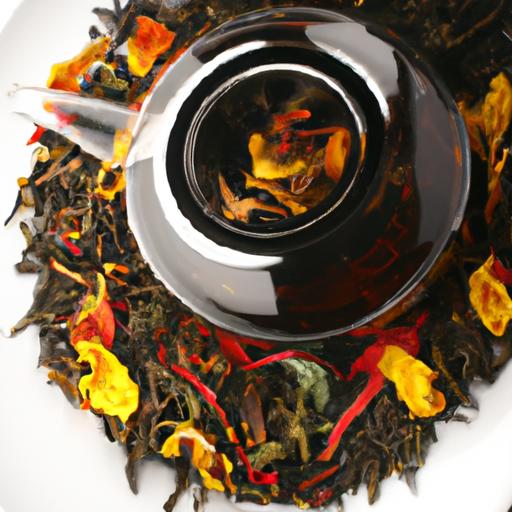
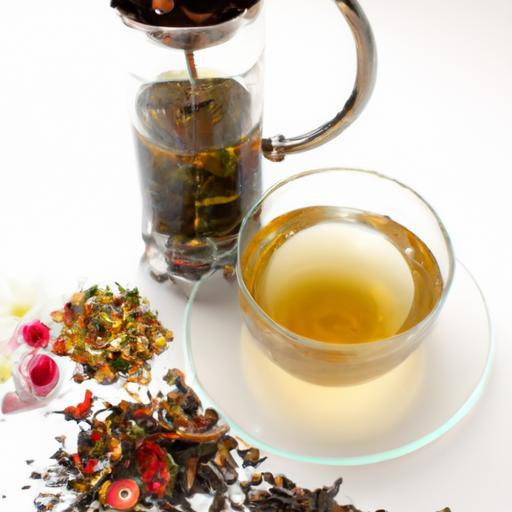
Present your artisan blend in clear glass teacups to showcase the warm amber hue tinged with floral and citrus brilliance. A small sprig of fresh mint or a floating edible flower can elevate the aesthetic and enhance aroma. pair this tea with delicate finger sandwiches, light fruit tarts, or buttery shortbread for a refined afternoon ritual that delights both palate and eye.
| Nutrition per Serving | Amount |
|---|---|
| Calories | 5 kcal (unsweetened) |
| Protein | 0.2 g |
| Carbohydrates | 1.2 g |
| Fat | 0 g |

For further inspiration and to broaden your blending techniques, explore our comprehensive guide on herbal tea combinations. To deepen your understanding of the science behind tea flavor extraction, visit Tea Association of the USA.
Q&A
Q&A: The Art of Artisan Tea Blending: Crafting Perfect Brews
Q1: What exactly is artisan tea blending?
A: artisan tea blending is the creative craft of combining various tea leaves, herbs, flowers, spices, and natural botanicals to create unique, harmonious flavor profiles. Unlike mass-produced blends,artisan blends are handcrafted with intention,balancing taste,aroma,and appearance to provide a truly memorable brew.
Q2: How does one begin the journey of blending their own teas?
A: Start by familiarizing yourself with single-origin teas and their distinct characteristics-black, green, white, oolong, and pu-erh. Experiment by pairing these bases with complementary ingredients like dried lavender, rose petals, citrus peels, or spices such as cinnamon and cardamom. Keep detailed notes on proportions and steeping times to perfect your creations.Q3: What role do fragrance and visual appeal play in tea blending?
A: Fragrance is essential-it’s the first sensory impression and can elevate the tasting experience. Visual appeal adds an artistic dimension, enticing the drinker even before the first sip. Elements like vibrant flower petals, luminous citrus zest, or shimmering gold tips in the tea leaves contribute to the beauty and anticipation of the brew.
Q4: Can blending enhance the health benefits of tea?
A: Absolutely! Combining antioxidant-rich teas with medicinal herbs such as chamomile, peppermint, or ginger can amplify wellness properties. Artisan blending allows the creation of brews tailored for relaxation, digestion, energy, or immune support, blending flavor and function seamlessly.
Q5: How do you balance flavors to prevent one ingredient from overpowering the blend?
A: Balance is both art and science. Begin with a dominant base tea, then subtly layer complementary flavors, always tasting along the way. Remember that some ingredients are intensely aromatic-just a pinch of dried herbs or a few flower petals can add complexity without overwhelming the palate. Patience and iterative testing are key.
Q6: What equipment and tools are helpful for a home tea blender?
A: Essential tools include airtight containers for storage, a precision scale for measuring ingredients, a mortar and pestle or grinder for breaking down spices, and a good-quality teapot or infuser for brewing. A journal for recording blend recipes and tasting notes also enhances the creative process.
Q7: How can one preserve the freshness and aroma of artisan blends?
A: Store blends in cool, dark, and airtight containers away from moisture and strong odors. Use opaque tins or glass jars with airtight seals. It’s best to craft blends in small batches to enjoy peak freshness and aromatic intensity.
Q8: What is the significance of water quality and temperature in brewing artisan blends?
A: Water is the silent hero of any tea; its purity and mineral content affect flavor extraction. Use filtered or spring water for the best taste. Temperature influences wich compounds are released-green and white teas prefer lower temperatures (around 160-185°F),while black and oolong teas steep well at higher heat (near boiling). Tailoring temperature to your blend can reveal layers of nuance.
Q9: Are seasonal or regional ingredients considered in artisan tea blending?
A: Yes! Seasonal herbs and flowers, like jasmine in spring or calendula in autumn, add a fresh, timely touch. regional ingredients like lemongrass from Thailand or dried elderflower from Europe can imbue your blend with unique terroir and storytelling, connecting your brew to place and tradition.
Q10: how can one share and showcase their artisan tea blends creatively?
A: Package blends in gorgeous containers with informative labels telling the blend’s story,flavor notes,and brewing recommendations. Hosting small tea tastings or gifting personalized blends invites others to experience the magic of artisan tea. Photography that captures the vibrant colors and textures of your blends can also turn your creations into captivating art.
Embrace the captivating journey of artisan tea blending-where science, nature, and creativity steep together to craft perfect brews that awaken the senses and warm the soul.
in Conclusion
In the delicate dance of flavors and fragrances, artisan tea blending emerges as both science and poetry-a careful orchestration that transforms simple leaves into a symphony of taste. Whether you’re a seasoned tea connoisseur or a curious newcomer, understanding the art behind each blend invites you to savor not just a cup, but a crafted experience steeped in tradition and creativity. As you explore the world of artisan teas, may each brew be a reminder that perfection lies not only in the final sip but in the thoughtful journey of blending itself-where passion, skill, and nature converge to create moments of pure, mindful enjoyment.