


As we gracefully journey into our golden years, maintaining a nourishing diet becomes more importent-and sometimes more challenging-than ever before. For seniors aiming to enjoy vibrant health without spending hours in the kitchen, smart and simple meal prep strategies can be a game-changer. Imagine spending less time worrying about what to eat and more time savoring meals designed to fuel your body and delight your taste buds. in this article,we’ll explore practical,easy-to-follow tips that transform meal readiness into a manageable,enjoyable part of your daily routine-helping you embrace healthy living with confidence and ease.
Choosing Nutrient-Packed Ingredients for Balanced Senior Meals
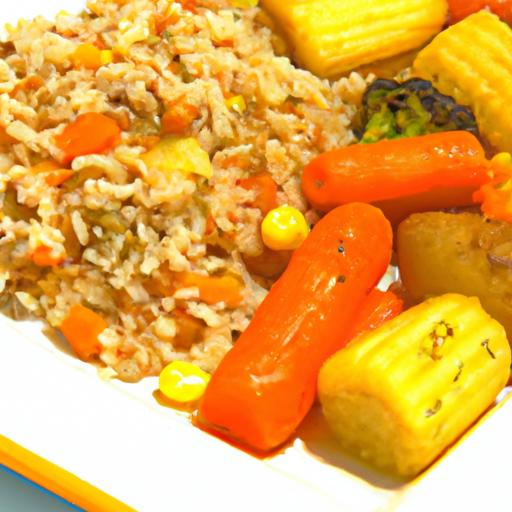
Smart & Simple Meal Prep Tips for Seniors’ Healthy Living begin with selecting vibrant, nutrient-dense ingredients that fuel both the body and mind. Embracing colorful vegetables, lean proteins, whole grains, and healthy fats creates meals that promote balanced nutrition while supporting energy and digestion. For example, incorporating spinach and quinoa not only packs in fiber and antioxidants but also keeps meals light and easy to digest-a perfect combination for seniors aiming for vitality.
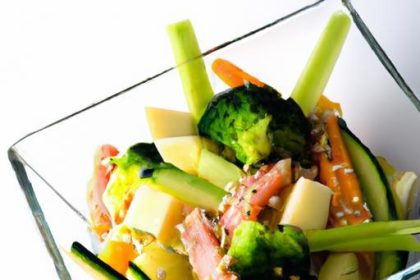
When shopping, choose fresh or frozen vegetables such as broccoli, carrots, and red bell peppers, which require minimal prep time but offer maximum vitamin content. Lean proteins like skinless chicken breast or turkey meatballs provide essential amino acids crucial for muscle maintenance and repair. Don’t forget the essential fats from sources like avocado and extra virgin olive oil, which support brain health and give dishes satisfying flavor without heaviness.
Time-Saving Techniques to Simplify Weekly Meal Preparation
Simplifying weekly meal prep is key to sustaining a healthy lifestyle without overwhelming effort. Begin by chopping batches of vegetables at once and storing them in clear, airtight containers-ready to toss into stir-fries, soups, or salads during the week.Utilizing slow cookers or instant pots means you can set and forget a wholesome meal that gently simmers, enhancing flavor and tenderness.
Batch-cooking grains like brown rice or barley in larger quantities and freezing portions only takes minutes but saves hours over several days. Freeze single-serving containers of protein-rich dishes, making reheating quick while keeping meals fresh. Label storage containers with prep dates for easy rotation and minimal waste. With these strategies, cooking becomes a pleasure rather than a chore.
Portion Control Strategies to Support Healthy Digestion and Energy
Smart & Simple Meal Prep Tips for Seniors’ Healthy Living emphasize portion control to aid digestion and keep energy steady throughout the day. Serving balanced portions of proteins, fats, and carbohydrates encourages optimal nutrient absorption while preventing the sluggishness that frequently enough follows oversized meals.
Use small plates or bowls to naturally moderate portion sizes. Fill half the plate with vegetables, one quarter with lean protein, and the final quarter with whole grains or starchy vegetables.Incorporating fiber-rich foods such as lentils and chia seeds promotes gut health and a feeling of fullness that avoids unneeded snacking.
Incorporating Flavor and Variety Without Extra Effort or Expense
Healthy eating for seniors doesn’t mean sacrificing taste or excitement. Using everyday herbs and spices like rosemary, turmeric, and smoked paprika elevates simple dishes with vibrant aromas and layers of flavor-no costly ingredients required. Citrus zests and a splash of fresh lemon juice brighten meals and enhance nutrient absorption, especially of iron-rich foods.
Experiment with easy sauces such as a yogurt-based tzatziki or a homemade tomato salsa to add variety without extra prep time. Rotating proteins between chicken, legumes, and fish ensures diverse nutrients and keeps palates intrigued. These smart seasonings and affordable twists turn everyday meals into exciting experiences while sticking to a budget.

Prep and Cook Time
- prep Time: 20 minutes
- Cook Time: 25 minutes
- Total Time: 45 minutes
Yield
Serves 4 comfortably
Difficulty Level
Easy – perfect for beginners or those with limited kitchen time
Ingredients
- 1 cup quinoa, rinsed
- 2 cups low-sodium vegetable broth
- 2 cups fresh spinach, roughly chopped
- 1 cup diced red bell peppers
- 1 cup steamed broccoli florets
- 1 medium carrot, julienned
- 2 skinless chicken breasts, cubed
- 2 tablespoons extra virgin olive oil
- 1 teaspoon smoked paprika
- 1 teaspoon turmeric powder
- Juice of 1 lemon
- salt and freshly cracked black pepper, to taste
- 2 cloves garlic, minced
- 2 tablespoons chopped fresh parsley
Instructions
- Cook the quinoa: In a medium saucepan, bring the vegetable broth to a boil. Add quinoa, cover, reduce heat to low, and simmer for 15 minutes, or until all liquid is absorbed. Fluff with a fork and set aside.
- Sauté the chicken: Heat 1 tablespoon olive oil in a skillet over medium heat. Add minced garlic, cooking until fragrant (about 30 seconds). Add cubed chicken, smoked paprika, turmeric, salt, and pepper. Sauté until golden brown and cooked through,approximately 7-8 minutes. Remove from heat.
- Prepare the vegetables: In the same skillet, add remaining olive oil and toss in red bell peppers, steamed broccoli, carrot, and chopped spinach. Sauté gently until spinach wilts and vegetables are tender-crisp, about 4 minutes.
- Combine: Gently fold the cooked quinoa and chicken into the vegetable mixture. Drizzle lemon juice over the top and sprinkle with fresh parsley. toss lightly to combine evenly.
- Adjust seasoning: taste and add additional salt,pepper,or lemon juice as needed.
- Serve warm: Portion into bowls or plates and garnish with an extra sprinkle of parsley or a lemon wedge for visual appeal.
Chef’s Notes
- For a vegetarian version, substitute chicken with chickpeas or firm tofu cubes.
- If fresh vegetables aren’t available, frozen options can be swapped but drain excess water to avoid sogginess.
- This recipe is freezer-friendly; store cooked portions in airtight containers for up to 3 months.
- To save more time, use pre-cut veggies from your local grocery or farmers market.
- Adding a tablespoon of ground flaxseed boosts omega-3 fatty acids and fiber effortlessly.
Serving Suggestions
Present this colorful bowl with a simple side of whole-grain flatbread or a crisp mixed greens salad drizzled with balsamic vinaigrette. Garnish with lemon zest or a handful of toasted almonds to add a delightful crunch and extra nutrients. Pair with a glass of water infused with cucumber slices for a refreshing touch that aids hydration.
| Nutrient | Per serving |
|---|---|
| Calories | 320 kcal |
| protein | 28 g |
| Carbohydrates | 30 g |
| fat | 8 g |
For more inspirations on wholesome recipes perfectly suited to senior nutrition, check our Healthy Senior dinners collection. For authoritative nutritional guidelines,visit the National Institute on Aging.
Q&A
Q&A: Smart & Simple Meal Prep Tips for Seniors’ Healthy Living
Q1: Why is meal prepping critically important for seniors?
A: meal prepping offers seniors a practical way to maintain balanced nutrition without daily cooking stress. It saves time and energy, helps manage portion sizes, and ensures meals are consistent in nutrients-supporting overall health and independence.
Q2: What’s a good starting point for seniors new to meal prep?
A: Begin by planning simple recipes with familiar ingredients.Pick two or three meals for the week, create a shopping list, and prepare components like chopped veggies, cooked grains, or proteins in bulk.This gradual routine reduces overwhelm and builds confidence.
Q3: Which nutrients should seniors focus on when prepping meals?
A: Prioritize protein for muscle maintenance,fiber for digestive health,calcium and vitamin D for bone strength,and plenty of colorful fruits and vegetables for antioxidants. Incorporating whole grains, lean poultry, fish, legumes, nuts, and dairy or dairy alternatives supports these needs.
Q4: How can seniors make meal prep manageable despite limited kitchen mobility?
A: Use tools like pre-chopped frozen vegetables or ready-to-eat canned beans. invest in adaptive utensils, slow cookers, or electric steamers that require minimal manual effort. Preparing larger batches that can be portioned and frozen also reduces daily kitchen time.
Q5: can meal prepping help with managing chronic conditions?
A: Absolutely! Tailored meal prep can support blood sugar control, heart health, and othre conditions by focusing on low-sodium, low-sugar, and nutrient-dense ingredients. Consistent portion control and planned meals help maintain stable energy levels and avoid spikes or dips.
Q6: What are some smart storage tips for prepped meals?
A: Use airtight containers to keep food fresh, label meals with dates, and store servings in single portions for easy access. Consider freezing meals you won’t eat within a few days to preserve taste and nutrition. Clear containers help seniors quickly identify their meals.
Q7: how can seniors inject variety into their meal prep without complexity?
A: Rotate a handful of base ingredients with different herbs,spices,and simple sauces. Swap brown rice for quinoa, or chicken breast for baked fish to keep flavors fresh.Using versatile greens, nuts, and seasonal produce keeps meals exciting and well-rounded.
Q8: What role does hydration play alongside meal prep for seniors?
A: Hydration is key to digestion, cognition, and overall vitality. Complement meals with water-rich foods like cucumbers, watermelon, and soups, and encourage sipping water throughout the day. Setting reminders can be a helpful way to maintain regular fluid intake.
Q9: Are there any safety tips seniors should keep in mind during meal prep?
A: Yes! Always wash hands and ingredients thoroughly, cook proteins to safe temperatures, and refrigerate leftovers promptly. Avoid cross-contamination by using separate cutting boards and utensils for different food types, especially raw items.
Q10: How can seniors stay motivated to keep up with meal prepping?
A: Setting achievable goals, involving a friend or family member, and celebrating small successes can make the process enjoyable.Viewing meal prep as a form of self-care that empowers independence and wellness adds meaningful motivation to the routine.
With a little planning and creativity, meal prepping becomes not just a task, but a joyful step toward vibrant, healthy living for seniors!
wrapping Up
Embracing meal prep doesn’t have to be intricate-especially for seniors seeking a healthier, more vibrant lifestyle. By weaving together simplicity and smart strategies, mealtime becomes less of a chore and more of an opportunity to nourish both body and soul. Remember, it’s not about perfection but progress-small, intentional steps toward balanced nutrition and ease. So grab your favorite containers, plan with purpose, and savor the confidence that comes with knowing you’re feeding yourself well, one thoughtfully prepared meal at a time. Here’s to health, happiness, and flavorful simplicity in every bite!