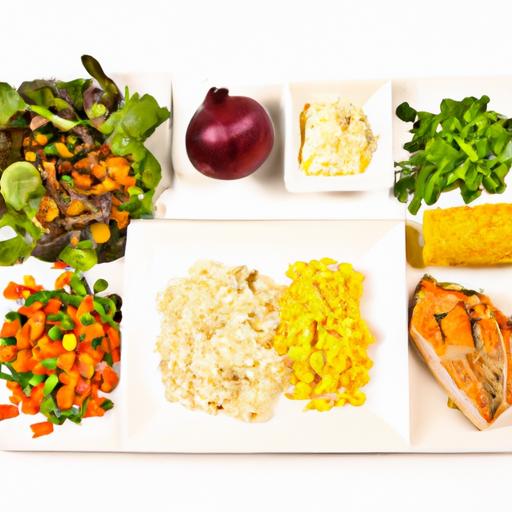



imagine unlocking the secret to stress-free, flavorful meals that not only satisfy your taste buds but also honor your digestive health. For those navigating a low FODMAP lifestyle, meal readiness can frequently enough feel like a complex puzzle-balancing flavor, nutrition, and gut-amiable ingredients without sacrificing convenience. But what if smart strategies could transform your kitchen routine, turning meal prep from a daunting task into an empowering ritual? In this article, we’ll explore clever tips and practical hacks that make low FODMAP meal prep not just manageable, but genuinely enjoyable-helping you thrive one bite at a time.
Understanding Low FODMAP Foods and Their Impact on Digestive Health
smart meal prep tips for a low FODMAP lifestyle success start with understanding how carefully chosen ingredients can help soothe and support your digestive system. Low FODMAP foods-those low in fermentable oligo-, di-, mono-saccharides, and polyols-play a crucial role in minimizing bloating, cramps, and other IBS-related symptoms. Incorporating these foods thoughtfully boosts gut comfort without sacrificing flavor or nutritional balance.
Foods like firm tofu, zucchini, carrots, and certain berries provide essential nutrients while being gentle on your digestive tract. Meanwhile, avoiding high FODMAP triggers such as onions, garlic, and wheat helps maintain digestive harmony. By embracing this approach, millions find relief and renewed enjoyment in their meals.
Strategic Grocery Shopping for Fresh and Convenient Low FODMAP Ingredients
Preparing for low FODMAP success begins at the grocery store. Stock up on vibrant fresh vegetables like bell peppers, cucumber, and kale, alongside pantry staples such as certified gluten-free oats and canned lentils (rinsed well). Frozen fruits, including blueberries and strawberries, offer convenience without compromising quality, enabling fast meals whenever hunger strikes.
Make use of farmers’ markets for seasonal finds, letting you tailor your meals with peak-freshness produce-this not only enhances flavor but also increases the nutritional payoff.Choosing portion-sized packets of low FODMAP-friendly nuts and seeds is perfect for snacking or adding texture to dishes.
Batch Cooking Techniques to Save Time and Maintain Flavor
With smart meal prep tips for a low FODMAP lifestyle success, batch cooking becomes an invaluable technique. Setting aside a few hours to roast root vegetables, poach chicken breasts, or simmer a hearty stock powers an entire week’s worth of eating. Store components separately-grains, proteins, and veggies-to keep textures vibrant and flavors fresh.
Try roasting low FODMAP veggies with a sprinkle of herbs like thyme or rosemary, sealing in natural sweetness and aroma.When reheating, add a splash of fresh lemon juice or a drizzle of garlic-infused olive oil (low FODMAP friendly) to brighten leftovers instantly. These little touches keep your meals exciting and far from repetitive.
Creative Meal Variations to Keep Your Low FODMAP Menu Exciting
One of the keys to sticking with a low FODMAP lifestyle is versatility. Use batch-prepped ingredients as a base to create an array of dishes: turn grilled chicken and roasted zucchini into a vibrant salad with baby spinach and a tangy vinaigrette; or toss cooked quinoa with sautéed kale and toasted walnuts for a satisfying grain bowl with contrast and crunch.
Consider spice blends as your secret weapon-smoky paprika, fresh ginger, or a pinch of asafoetida (hing) can transform simple ingredients into mouthwatering experiences.Experiment with homemade sauces-like a vibrant red pepper coulis or creamy tahini dressing-allowing your meals to feel indulgent yet gut-friendly.
Low FODMAP Moroccan-Spiced Chicken Bowl
Smart meal prep tips for a low FODMAP lifestyle success come alive with this vibrant and wholesome moroccan-spiced chicken bowl, inspired by the rich flavors of North Africa-without common high FODMAP ingredients such as garlic or onions. infused with fragrant spices and paired with roasted vegetables, it’s a flexible recipe perfect for batch cooking and quick assembly.
Prep and Cook Time
- Prep Time: 20 minutes
- Cook Time: 30 minutes
- Total Time: 50 minutes
Yield
- Servings: 4 bowls
Difficulty Level
- Easy to Medium
Ingredients
- 1 lb (450g) chicken breast, boneless, skinless, cut into strips
- 2 medium zucchinis, sliced into half-moons
- 2 medium carrots, peeled and cut into batons
- 1 red bell pepper, cut into strips
- 2 tbsp garlic-infused olive oil (FODMAP friendly)
- 1 tsp ground cumin
- 1 tsp ground coriander
- 1 tsp smoked paprika
- ½ tsp ground cinnamon
- Salt and freshly ground black pepper, to taste
- 1 cup cooked quinoa
- Handful fresh parsley, chopped
- Juice of 1 lemon
- Optional: 2 tbsp toasted pine nuts for garnish
Instructions
- Marinate the chicken: In a bowl, combine the chicken strips with garlic-infused olive oil, cumin, coriander, paprika, cinnamon, salt, and pepper. Toss well to coat evenly. Set aside for 10 minutes.
- Roast the vegetables: Preheat your oven to 400°F (200°C).On a baking sheet, arrange zucchini, carrots, and bell pepper. Drizzle with a little garlic-infused olive oil and season with salt. Roast for 20-25 minutes until tender and slightly caramelized.
- Cook the chicken: While veggies roast, heat a large skillet over medium heat. Add marinated chicken strips and sauté for 7-9 minutes until cooked through and golden brown, stirring occasionally to prevent sticking.
- Prepare quinoa: Cook quinoa according to package instructions if not prepared in advance. Fluff with a fork once done.
- Assemble the bowls: Divide quinoa among 4 bowls. Top with roasted vegetables and cooked chicken. Sprinkle chopped parsley and drizzle with fresh lemon juice.
- Finish and serve: Garnish with toasted pine nuts if desired for a satisfying crunch and nutty aroma. Serve warm or at room temperature for a quick grab-and-go option.
Chef’s Notes
- Substitute chicken with firm tofu or canned lentils to make this dish vegetarian while keeping it low FODMAP.
- For extra depth, add a pinch of asafoetida (hing) in the chicken marinade-it mimics onion flavor without the FODMAPs.
- Batch roast extra vegetables and cook double quinoa to speed up meal assembly on busy days.
- This recipe keeps well refrigerated for 3 days and freezes beautifully-thaw refrigerated overnight before reheating gently.
serving Suggestions
This bowl shines served with a dollop of lactose-free Greek yogurt or a light tahini drizzle to add creaminess and balance the warm spices. Pair with a crisp cucumber salad tossed in lemon vinaigrette or a side of steamed green beans dressed in olive oil and fresh herbs for a fresh contrast.
| Nutrient | Per Serving |
|---|---|
| Calories | 370 kcal |
| Protein | 32 g |
| Carbohydrates | 28 g |
| Fat | 10 g |

For more clever low FODMAP cooking hacks, check out our Easy Low FODMAP Weeknight Dinners guide, and visit Monash University to stay updated with the latest low FODMAP nutrition research.
Q&A
Q&A: Smart Meal Prep Tips for a Low FODMAP Lifestyle success
Q1: What is the Low FODMAP diet, and why is it vital for some people?
A1: The Low FODMAP diet is a nutritional approach designed to reduce intake of certain fermentable carbs that can trigger digestive discomfort such as bloating, gas, and cramps.these carbs are found in various foods collectively known as FODMAPs-Fermentable Oligo-, Di-, Mono-saccharides And Polyols.For people with IBS or sensitive guts, managing FODMAP intake can mean the difference between uncomfortable symptoms and digestive harmony.
Q2: How can meal prepping help someone successfully follow a Low FODMAP lifestyle?
A2: Meal prepping is a game-changer for busy individuals managing a Low FODMAP diet. It reduces the stress of daily decision-making, ensures portion control, and helps avoid accidental high-FODMAP choices. by having ready-made,compliant meals,you can stay on track effortlessly,even on your busiest days.
Q3: What are some smart tips for choosing ingredients during meal prep?
A3: Focus on fresh, whole foods naturally low in FODMAPs: think bell peppers, zucchini, carrots, spinach, and firm tofu. When selecting proteins, opt for chicken, turkey, fish, eggs, or tempeh. Always double-check serving sizes of fruits like strawberries or blueberries, as excess can quickly increase FODMAP levels. Keep pantry staples like quinoa, gluten-free oats, and canned lentils (rinsed thoroughly) on hand for versatility.
Q4: How can I make sure my prepped meals stay fresh and flavorful throughout the week?
A4: Use airtight containers and refrigerate meals promptly after cooking to maintain freshness. For extra flair, prepare homemade dressings or herb-infused oils that are Low FODMAP friendly-think lemon, parsley, and garlic-infused oil instead of fresh garlic cloves. Adding these just before eating revitalizes flavors without sacrificing digestive comfort.
Q5: What’s a good strategy for managing snacks on a Low FODMAP meal prep plan?
A5: Plan snacks ahead using safe, satisfying options like rice cakes topped with peanut butter, homemade trail mix with pumpkin seeds and dried cranberries (in small amounts), or vegetable sticks paired with lactose-free hummus. Portioning snacks into small containers or bags prevents overeating and helps maintain Low FODMAP boundaries.
Q6: Can I batch cook meals and freeze them while sticking to Low FODMAP guidelines?
A6: Absolutely. Batch cooking and freezing is a smart way to always have compliant meals on hand.Just avoid freezing dishes with high FODMAP ingredients like onions or garlic. Rather, cook with garlic-infused oils and add fresh herbs after reheating. Freeze in single or family-sized portions for easy reheat-and-eat convenience.
Q7: Any tips for seasoning meals without triggering symptoms?
A7: Skip fresh onion and garlic, but lean into garlic-infused oils to mimic the aroma and taste without the FODMAPs. Use fresh herbs like rosemary, thyme, basil, and chives alongside lemon zest or juice to brighten meals. Spices like cumin, paprika, and turmeric can add warmth and depth without distress.
Q8: How do I stay motivated to keep prepping Low FODMAP meals when cravings hit?
A8: Variety is key-experiment with new recipes,swap proteins and veggies,and play with different textures so meals never feel boring.Treat meal prep like a creative outlet rather than a chore: involve colorful plating, sprinkle seeds or nuts for crunch, and remind yourself that each bite supports your well-being. Tracking improvements in your digestion can also fuel your commitment!
Q9: Where can I find inspiration for Low FODMAP recipes suitable for meal prepping?
A9: There are many fantastic resources-dedicated Low FODMAP cookbooks, blogs, and even social media accounts run by nutritionists who specialize in this area. Search for meal prep guides emphasizing natural ingredients and simple steps. Customizing recipes to your tastes while avoiding high-FODMAP pitfalls can transform your kitchen into a low FODMAP haven.
Q10: What’s a quick starter meal prep idea for someone new to Low FODMAP cooking?
A10: Try a quinoa salad bowl with grilled chicken, roasted carrots, cucumber slices, and a drizzle of garlic-infused olive oil plus lemon juice. Quinoa provides a satisfying base, the chicken adds lean protein, and the colorful veggies supply crunch and nutrients-all while keeping FODMAPs in check. Portion into containers, refrigerate, and enjoy a balanced, gut-friendly lunch all week long!
Embracing smart meal prep in your Low FODMAP journey blends creativity with consciousness, turning everyday eating into a delicious, digestive-friendly adventure. Ready, set, prep!
In Retrospect
Embarking on a low FODMAP journey doesn’t mean sacrificing flavor or convenience-armed with these smart meal prep tips, you’re set to transform your kitchen into a haven of digestive harmony and delicious revelation. Remember, thoughtful planning and a dash of creativity are your best allies in navigating the low FODMAP lifestyle with ease and confidence. So grab your chopping board, stock those pantry staples, and prepare to enjoy meals that nourish both your body and your peace of mind. Here’s to happy tummies and hassle-free days ahead!