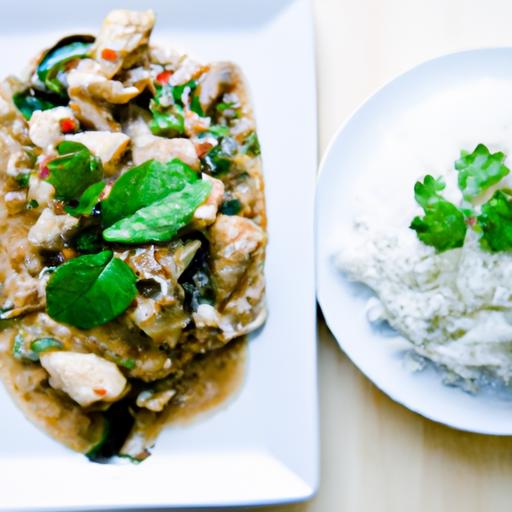




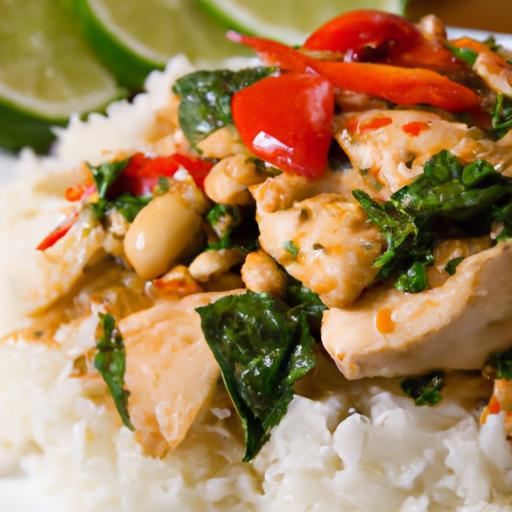

There’s a vibrant harmony that unfolds when bold flavors meet comforting warmth – and few dishes capture this balance as brilliantly as Thai Basil Chicken paired with fragrant coconut rice. This beloved Thai classic bursts with aromatic spices, tender chicken, and teh unmistakable kick of fresh basil, creating a symphony of taste that dances on the palate. Complementing it is the subtly sweet, creamy coconut rice, a soothing counterpart that elevates every bite to a new level of indulgence. In this article, we’ll explore the origins, key ingredients, and expert tips to help you recreate this perfect pairing, bringing a slice of Thailand’s culinary magic into your own kitchen.
Savor Thai Basil Chicken paired perfectly with coconut rice is a culinary journey that brings the fragrant, spicy aroma of thai street food right into your kitchen. This iconic Thai dish, known as Pad Krapow Gai, bursts with vibrant flavors-from the punchy heat of fresh chilies to the subtle sweetness of aromatic Thai basil-balanced masterfully by the creamy, dreamy texture of coconut-infused rice. Growing up, family dinners would often feature this coveted duo, where each bite was an explosion of tradition and comfort that kept everyone at the table coming back for more.
Prep and cook Time
- Preparation: 15 minutes
- Cooking: 20 minutes
- Total Time: 35 minutes
Yield
- Serves 4 generous portions
Difficulty Level
- Easy to Medium – perfect for weeknights or weekend entertaining
Ingredients
- For the Thai Basil Chicken:
- 1 lb (450g) ground chicken breast
- 4 cloves garlic, minced
- 2 Thai red chilies, finely sliced (adjust for heat preference)
- 2 tbsp vegetable oil
- 1 tbsp oyster sauce (substitute mushroom sauce for vegetarian)
- 1 tbsp soy sauce
- 1 tsp fish sauce
- 1 tsp palm sugar or light brown sugar
- 1 cup fresh Thai basil leaves, lightly torn
- 1 small shallot, thinly sliced (optional)
- For the Creamy Coconut Rice:
- 1 1/2 cups jasmine rice, rinsed until water runs clear
- 1 can (13.5 oz/400 ml) coconut milk
- 1/2 cup water
- 1 tsp salt
- 1 tbsp sugar (optional, for subtle sweetness)
- 1 tbsp toasted shredded coconut (for garnish, optional)
Instructions
- Cook the Coconut Rice: In a medium saucepan, combine rinsed jasmine rice, coconut milk, water, salt, and sugar. Stir gently and bring to a boil over medium heat.
- Once boiling, reduce heat to low, cover tightly, and simmer for 15-18 minutes, or until rice is tender and liquid is absorbed.
- Remove from heat and let rice rest, covered, for 10 minutes. Fluff with a fork before serving to enhance its luscious texture.
- Prepare the Thai Basil Chicken: Heat vegetable oil in a large skillet or wok over medium-high heat.
- Add minced garlic and Thai chilies, sauté for about 30 seconds until fragrant-be mindful not to burn the garlic.
- Add the sliced shallot (if using) and stir-fry for another minute until softened.
- Add ground chicken to the pan, breaking it apart with a spatula. Cook for 5-7 minutes until the chicken is evenly browned.
- Mix in oyster sauce, soy sauce, fish sauce, and palm sugar. Stir continuously to coat the chicken with the rich sauce and allow the sugar to melt and caramelize slightly.
- Take the pan off heat and fold in Thai basil leaves. The residual heat will wilt basil perfectly without losing its vibrant fragrance.
- Serve promptly alongside the creamy coconut rice, garnished with extra Thai basil leaves and a wedge of lime for an added burst of freshness.
Tips for Success
- Adjusting heat: If you prefer milder flavors, deseed the Thai chilies before slicing or substitute with milder red chili varieties.
- Rice Texture: Use jasmine rice for the best aroma and fluffy texture; avoid rinsing too aggressively to retain some natural starch for creaminess.
- make-Ahead: Prepare the coconut rice in advance and reheat gently with a splash of coconut milk to maintain moisture.
- Protein Variety: Ground chicken works beautifully here, but ground turkey or firm tofu cubes are excellent substitutes for variation.
- Flavor Depth: Adding a small splash of lime juice at the end brightens the dish and balances the savory notes.
Serving Suggestions
Plate the Thai Basil Chicken generously over a bed of steaming coconut rice, allowing the sauce to mingle with the creamy grains.Garnish with fresh Thai basil sprigs, toasted shredded coconut on the rice, and finely sliced red chilies for visual contrast and heat. For an elegant finish, accompany the meal with crisp cucumber slices or a simple green papaya salad for refreshing crunch. Don’t forget a wedge of lime to squeeze over your plate right before eating-this luminous acid lifts every bite to a new level of harmony.

| Nutrient | Per Serving |
|---|---|
| Calories | 480 kcal |
| Protein | 32 g |
| Carbohydrates | 45 g |
| Fat | 15 g |
Discover more authentic recipes like this in our Thai Cuisine Collection and deepen your thankfulness of Southeast Asian flavors. For authentic coconut rice techniques, visit the Serious Eats Cooking Guide.
Q&A
Q&A: Savor Thai Basil chicken Paired Perfectly with Coconut Rice
Q1: what makes Thai Basil Chicken such a beloved dish in Thai cuisine?
A1: Thai Basil Chicken,or Gai Pad Krapow,is a vibrant celebration of bold flavors-spicy,savory,and herbaceous all at once. The magic comes from fresh Thai holy basil leaves,which offer a peppery aroma unmatched by common basil varieties. Combined with garlic, chilies, and a savory sauce, it creates an irresistible umami punch that delights the palate.
Q2: Why is coconut rice the ideal accompaniment for this dish?
A2: Coconut rice brings a luscious, creamy sweetness that balances the fiery zest of Thai Basil Chicken perfectly. The subtly fragrant rice, cooked in coconut milk, tempers the spice and adds a smooth textural contrast, making each bite a harmonious blend of heat and mellow richness.
Q3: How can I achieve authentic flavors when cooking Thai Basil Chicken at home?
A3: authenticity lies in simplicity and quality ingredients. Use fresh Thai holy basil if possible, or Thai sweet basil as a close substitute.Incorporate fresh chilies for heat, garlic for depth, and a sauce mixture of soy sauce, fish sauce, and a touch of sugar to balance salty and sweet notes. Stir-fry quickly over high heat to keep the basil vibrant and the chicken tender.
Q4: Is there a vegetarian or plant-based variation that still captures the essence of this dish?
A4: Absolutely! Swap out chicken for firm tofu or tempeh, which soak up the aromatic sauce beautifully. Use mushrooms like shiitake or oyster for a meaty texture, and don’t skimp on the holy basil-it’s the cornerstone of the flavor profile that truly defines the dish.
Q5: What tips ensure perfectly cooked coconut rice?
A5: To nail coconut rice, rinse your jasmine rice thoroughly to remove excess starch. Use good-quality coconut milk for richness, and balance the moisture with a pinch of salt and a bit of sugar to enhance the natural sweetness. Cook the rice gently, allowing it to absorb the coconut milk slowly-fluff with a fork to keep it light and fluffy.
Q6: Can I add vegetables to the dish or serve with side dishes?
A6: Absolutely! Stir in crisp vegetables such as bell peppers, green beans, or baby corn to add texture and color. Side dishes like a fresh cucumber salad or tangy pickled radishes provide a refreshing counterpoint that brightens the meal.
Q7: How do the textures of Thai Basil Chicken and coconut rice complement each other?
A7: The tender, juicy morsels of stir-fried chicken infused with fragrant basil and spicy sauce contrast beautifully with the creamy, slightly sticky coconut rice. This interplay of textures elevates the dining experience, providing complexity and balance in every mouthful.
Q8: What is the cultural importance of basil in Thai cooking?
A8: Basil varieties hold a special place in Thai culinary tradition-not just for flavor but also for their symbolic meanings. Holy basil, frequently enough used in this dish, is believed to have protective properties and is revered in Thai culture.Its unique taste sets Thai cuisine apart, making dishes like Basil chicken both delicious and culturally rich.
Q9: How spicy should the Thai Basil Chicken be for an authentic experience?
A9: Traditionally, this dish carries a balanced heat that can be adjusted to personal taste. Using fresh bird’s eye chilies brings a sharp, bright spice that enlivens the flavors without overwhelming them. You can scale the heat up or down, but the key is maintaining harmony with the sweet, salty, and aromatic elements.
Q10: What’s the best way to serve Thai Basil chicken and coconut rice for a family meal?
A10: Serve the Thai Basil Chicken heaping over a bed of warm coconut rice on each plate, garnished with extra fresh basil leaves and sliced chilies for a pop of color and flavor. Complement with refreshing sides and let everyone mix and match, creating a convivial and satisfying feast that’s as fun to share as it is indeed to savor.
Concluding Remarks
As the vibrant flavors of Thai basil chicken dance on your palate,perfectly complemented by the creamy,subtly sweet embrace of coconut rice,you’ve discovered more than just a meal-you’ve unlocked a harmonious culinary experience. This pairing marries bold, aromatic spices with the soothing richness of coconut, creating a balance that elevates every bite. Whether you’re crafting this dish for a weekday dinner or a special gathering, the synergy between Thai basil chicken and coconut rice promises to transport your taste buds straight to the heart of Thailand. So next time you crave an unforgettable flavor journey, let this duo be your guide to savoring simple ingredients transformed into a feast of sensory delight.