




Red beans and rice – a humble dish that carries the weight of history, culture, and soul in every spoonful. More than just a comforting meal, it’s a flavorful journey through tradition, weaving together stories of resilience, community, and celebration. From the bustling kitchens of New Orleans to the quiet homes of the American South, this beloved combination has nourished generations, blending simple ingredients into a rich tapestry of taste and heritage. Join us as we explore the origins, significance, and enduring appeal of red beans and rice, uncovering how this unassuming plate has become a symbol of identity and a beloved staple in countless households.
Red Beans and Rice has long been a cornerstone of Southern and Creole cuisine, weaving together rich history, humble ingredients, and soulful flavors in a dish that comforts and inspires. Originating as a practical Sunday meal in Louisiana, this beloved recipe transforms simple red kidney beans and rice into a hearty feast that celebrates community and tradition. Each spoonful carries stories of migration, resilience, and the joyful blending of cultures, making it much more than just a meal-it’s a flavorful journey that connects generations.
Prep and Cook Time
- Readiness: 15 minutes
- Cooking: 2 hours 30 minutes (including slow simmer)
- Total Time: Approximately 2 hours 45 minutes
yield
Serves 6 generous portions
Difficulty Level
Medium – ideal for home cooks ready to savor slow-cooked depth without complexity
Ingredients
- 1 lb dried red kidney beans, rinsed and picked over
- 1 large white onion, finely chopped
- 1 green bell pepper, diced
- 3 stalks celery, finely diced
- 4 cloves garlic, minced
- 1 teaspoon dried thyme
- 1 teaspoon smoked paprika
- 1 teaspoon cayenne pepper (optional, adjust to heat preference)
- 1 teaspoon dried oregano
- 2 bay leaves
- 6 cups vegetable broth or water
- 1 cup long-grain white rice
- 1 tablespoon olive oil (for sautéing)
- Salt and freshly ground black pepper, to taste
- Chopped fresh parsley or green onions, for garnish
instructions
- Soak the Beans: Place the rinsed kidney beans in a large bowl and cover with water by 2 inches. Soak overnight or quick-soak by boiling for 2 minutes then letting them sit for 1 hour. Drain and rinse before cooking.
- Sauté the Vegetables: In a large heavy-bottomed pot, heat olive oil over medium heat. Add chopped onion, bell pepper, and celery. Sauté until softened and fragrant, about 5-7 minutes. Stir occasionally to prevent sticking.
- Add Garlic and Spices: Stir in minced garlic, thyme, smoked paprika, cayenne, oregano, and bay leaves. Cook for 1-2 minutes until the mixture releases a fragrant aroma.
- Simmer the Beans: Add soaked kidney beans and vegetable broth to the pot. Bring to a boil, then reduce to low heat and simmer gently, uncovered, for 1.5 to 2 hours or until beans are tender. stir occasionally and add water if necessary to keep beans just covered.
- Season and Mash: add salt and pepper toward the end of cooking. For a creamy texture, lightly mash some beans against the pot’s side using a wooden spoon, then stir to blend.
- Prepare the Rice: While the beans simmer,cook the long-grain rice according to package instructions-typically 1 cup rice to 2 cups water,simmered until fluffy.
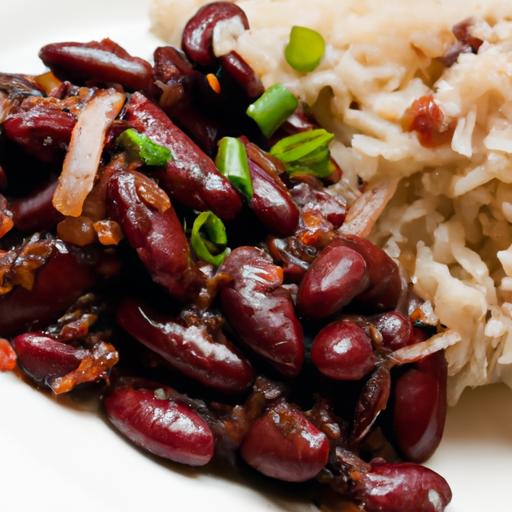
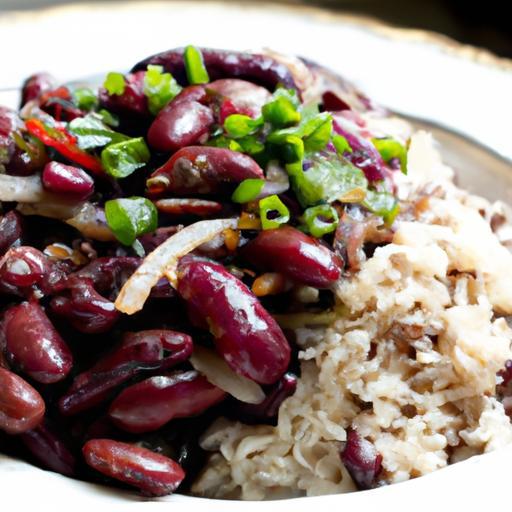
- Assemble and Serve: Spoon a bed of rice onto each plate, ladle generous amounts of the steaming red beans over the top, and garnish with fresh chopped parsley or sliced green onions for a burst of color and freshness.
Tips for Success
- patience is key: Slow simmering lets the beans soak up every note of seasoning, resulting in a rich, velvety sauce.
- Vegetable broth adds depth: Using broth instead of water enhances flavor - consider homemade broth for the best results.
- Adjust heat mindfully: Cayenne can be increased or omitted based on your preferred spice level, making the dish as mild or fiery as you like.
- Mash for creaminess: Mashing some beans creates a luscious texture that clings beautifully to rice, elevating the mouthfeel.
- Make ahead and reheat: Red beans and rice develop even deeper flavor the next day – store in airtight containers and reheat gently, adding a splash of broth if necessary.
- Try regional twists: Add smoked turkey sausage or chicken sausage for protein without pork.Incorporate okra or hot sauce to add traditional Southern notes.
Serving Suggestions
Serve your red beans and rice with a crisp green salad featuring tangy vinaigrette or garlicky sautéed greens to balance the richness. A wedge of lemon or a drizzle of homemade hot sauce offers a vibrant contrast. For a festive table, sprinkle chopped scallions and a pinch of smoked paprika on top for visual appeal and a flavor boost. This dish pairs beautifully with cornbread or crusty bread to soak up the sumptuous sauce.

| Nutritional Info (per serving) | Calories | Protein | Carbohydrates | Fat |
|---|---|---|---|---|
| Red Beans and Rice | 370 kcal | 18 g | 55 g | 4 g |
For further inspiration, explore our favorite Southern side dishes to complete your meal. To dive into the cultural history behind this dish, check out Smithsonian Magazine’s in-depth article on the topic.
Q&A
Q&A: red Beans and Rice: A Flavorful Journey Through Tradition
Q: What makes red beans and rice such a beloved dish in culinary traditions?
A: Red beans and rice is more than a meal-it’s a comforting embrace steeped in history and culture. Its simplicity belies the depth of flavor achieved through slow cooking and thoughtful seasoning, which transforms humble ingredients into a soulful dish that resonates with community and heritage.
Q: Where did the tradition of red beans and rice originate?
A: this dish has roots in Creole and Southern American cuisine,particularly in Louisiana. It emerged as a practical and nourishing meal for families, combining pantry staples to create a hearty and filling experience that could fuel hard work and bring people together.
Q: Why are red beans chosen over other varieties for this recipe?
A: Red beans offer a creamy texture and subtly sweet undertone that harmonizes beautifully with spices and aromatics. Their sturdy nature allows them to absorb flavors while maintaining shape, making them ideal for the slow-simmered method essential to authentic red beans and rice.
Q: What are some key flavor components to enhance red beans and rice without using meat?
A: Aromatics like onions, garlic, bell peppers, and celery provide a flavorful foundation. Spices such as smoked paprika, thyme, bay leaves, and a touch of cayenne add layers of complexity. A splash of vegetable broth or rich mushroom stock can deepen the savory notes, all while honoring the dish’s essence.
Q: How does slow cooking effect the final taste and texture of red beans and rice?
A: Patience is a secret ingredient in this dish. Slow cooking allows the beans to soften and meld with the spices, creating a creamy, almost velvety texture. This gradual melding deepens the flavors, resulting in a cozy and satisfying bowl that invites lingering at the table.
Q: Can red beans and rice be enjoyed beyond the traditional Southern context?
A: Absolutely! This dish’s versatility allows it to cross borders and cultures, adapting to local spices and seasonal vegetables.Whether served as a hearty vegetarian main or a side dish bursting with flavor, red beans and rice never fails to comfort and delight.
Q: What role does rice play in the overall experience of red beans and rice?
A: Rice acts as the tender, neutral canvas that balances the robust, spiced beans. Its fluffy texture contrasts the creamy beans, creating harmony on the palate and completing the dish’s comforting signature.
Q: Are there creative twists to red beans and rice while still honoring tradition?
A: Yes! Incorporating ingredients like smoked paprika, fresh herbs, or even a hint of citrus zest can brighten the dish. Using whole grain or wild rice offers a nutty dimension. These variations enhance the experience while respecting the dish’s roots in soulful simplicity.
Q: What cultural significance does red beans and rice hold today?
A: Beyond sustenance, red beans and rice symbolizes resilience, community, and celebration. It’s a dish often shared during gatherings, evoking stories and memories, making every spoonful a delicious connection to tradition.
The Way Forward
As the savory aroma of red beans and rice lingers in the air,we’re reminded that this humble dish is far more than a simple meal-it is a vibrant tapestry woven from centuries of culture,history,and heartfelt tradition. Each spoonful carries the stories of generations who have nurtured this recipe, transforming basic ingredients into a soulful celebration of heritage. Whether enjoyed at a bustling Louisiana table or recreated in kitchens around the world, red beans and rice invite us all to savor not just the flavors, but the enduring spirit of community and resilience they represent. So next time you dig in, remember: you’re partaking in a flavorful journey that honors the past while nourishing the present.