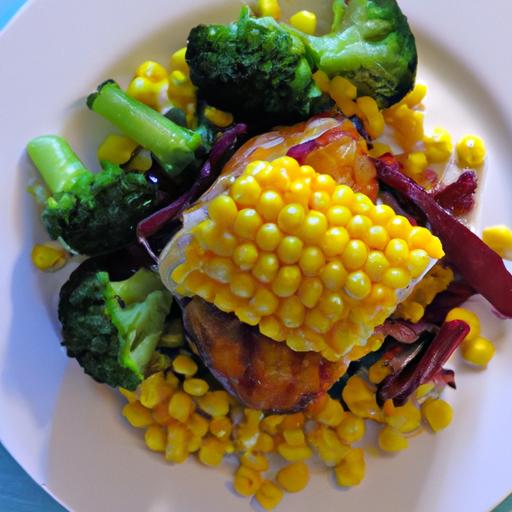


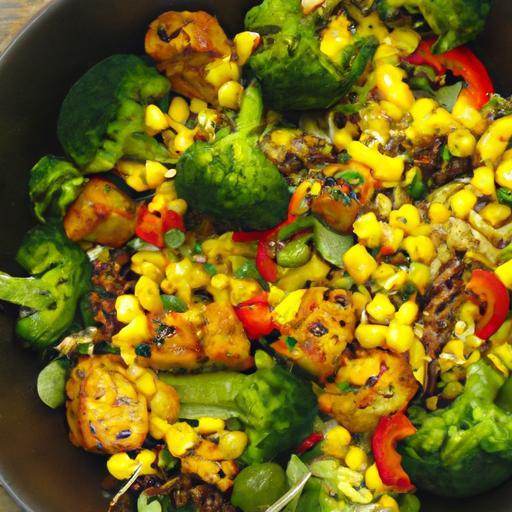

In a world where nutrition meets flavor, high-protein vegetarian meals are reshaping the way we think about plant-based eating.gone are the days when vegetarian dishes where seen as mere side notes-today, they stand proud as power-packed plates, brimming with muscle-building, energy-boosting ingredients that fuel both body and soul. Weather you’re a dedicated herbivore or simply exploring new ways to add protein without meat, this tasty journey will introduce you to vibrant, satisfying meals that prove vegetarian food can be as hearty as it is indeed healthy. Get ready to savor innovation on a plate, where every bite delivers a boost of nutrition wrapped in irresistible taste.
Power-packed Plates begin with energizing ingredients that not only fill your belly but also fuel your day with robust, plant-based protein. Combining the hearty textures of legumes, wholesome grains, and crunchy nuts, these dishes redefine vegetarian meals into satisfying, nutrient-dense masterpieces. Drawing inspiration from global crafts-from smoky Middle Eastern chickpea bowls to nut-encrusted quinoa patties-each recipe balances flavor and nutrition, proving that eating green can indeed pack a powerful punch.
Prep and cook Time
- Planning: 15 minutes
- Cooking: 25 minutes
- Total Time: 40 minutes
Yield
Serves 4 hearty portions
Difficulty Level
Medium – perfect for those pleasant with combining multiple plant-based ingredients and seasoning to taste
Ingredients
- 1 cup cooked chickpeas, drained and rinsed
- 3/4 cup cooked quinoa, fluffy and cooled
- 1/2 cup raw walnuts, finely chopped
- 1 small red onion, finely diced
- 2 cloves garlic, minced
- 1/2 cup grated carrot, fresh and vibrant
- 1 teaspoon smoked paprika
- 1/2 teaspoon ground cumin
- 2 tablespoons tahini
- 1 tablespoon lemon juice, freshly squeezed
- 2 tablespoons olive oil
- Salt and freshly ground black pepper, to taste
- Fresh parsley, chopped for garnish
- Optional: 1/4 cup nutritional yeast for a cheesy note
Instructions
- Pulse the walnuts: In a food processor, pulse chopped walnuts until they resemble coarse crumbs. Be careful not to turn them into a paste.
- Combine base ingredients: In a large bowl, mash the chickpeas lightly with a fork, leaving some texture for bite.
- Mix grains and veggies: Add the cooked quinoa,red onion,grated carrot,and minced garlic to the mashed chickpeas.
- Season smartly: Sprinkle in smoked paprika, cumin, salt, and pepper. Toss in nutritional yeast if using, ensuring even coating and flavor.
- Bind the mixture: Stir in tahini, lemon juice, and olive oil. The mixture should hold together when pressed. if too dry, add a teaspoon of water or olive oil.
- Incorporate walnuts: Fold the pulsed walnuts into the mixture for added crunch and protein boost.
- Form and chill: shape the mixture into 8 even patties and place them on a parchment-lined tray. Chill for 20 minutes to firm up.
- Cook to perfection: Heat a non-stick skillet over medium heat with a tablespoon of olive oil. Sauté patties until golden brown, about 4-5 minutes per side, flipping carefully to retain shape.
- Serve warm: Remove from heat and let patties rest for 2 minutes before plating.
Chef’s Notes
- Substitute walnuts with almonds or pecans for different texture and flavor profiles while maintaining protein content.
- If gluten sensitivity is a concern, these patties are naturally gluten-free, but verify quinoa preparation for contamination.
- For a spicier twist, add chili flakes or a dash of cayenne to the seasoning mix.
- Make-ahead tip: Form patties and freeze on a baking sheet before transferring to a sealed bag. Cook straight from frozen, adding a few extra minutes to each side.
Serving Suggestions
these versatile, power-packed plates come alive when served atop a bed of peppery arugula or alongside creamy avocado slices. drizzle with a cooling cucumber-yogurt sauce or a vibrant beet hummus for an extra layer of flavor and color. Garnish with fresh parsley and a wedge of lemon to brighten each bite. Pair with a warm flatbread or rustic sourdough toast for a complete meal that satisfies both hunger and the eyes.

| Nutrient | Per Serving |
|---|---|
| Calories | 320 kcal |
| Protein | 15 g |
| Carbohydrates | 28 g |
| Fat | 14 g |
For more innovative meatless dishes that balance flavor and nutrition perfectly, explore our complete guide on vegetarian high-protein recipes. For in-depth nutritional insights on plant proteins, check out the comprehensive Healthline Plant-Based Protein Guide.
Q&A
Q&A: Power-Packed Plates – Delicious High-Protein Vegetarian Meals
Q1: Why is protein important in a vegetarian diet?
A1: Protein is the building block of life, vital for muscle repair, immune function, and overall energy. For vegetarians, ensuring enough protein intake supports these functions without relying on animal flesh. A balanced vegetarian diet with high-protein foods can fuel your body just as powerfully as any omnivorous meal.
Q2: What are some stellar sources of plant-based protein?
A2: Think beyond the usual tofu! Lentils, chickpeas, quinoa, spinach, Greek yogurt, tempeh, edamame, black beans, and seeds like chia or hemp all serve up generous protein servings. Combining these with grains or nuts creates a complete amino acid profile, maximizing nutritional impact.
Q3: how can I make my vegetarian meals more protein-packed without sacrificing flavor?
A3: Layer your dishes with texture and bold ingredients-roast marinated tempeh cubes, toss in crunchy toasted nuts, sprinkle nutritional yeast for a cheesy depth, or whip up a flavorful tahini dressing. Herbs,spices,and umami-rich ingredients like mushrooms and sun-dried tomatoes add personality while boosting protein content.
Q4: Are there any quick and creative meal ideas to get started?
A4: Absolutely! Try a quinoa and black bean salad with roasted veggies and a zesty lime dressing, or a chickpea and spinach curry simmered in coconut milk. A Mediterranean bowl with falafel, hummus, tabbouleh, and roasted eggplant delivers protein and vibrant flavors. Even a smoothie with Greek yogurt, spinach, and almond butter packs a protein punch.
Q5: Can high-protein vegetarian meals help with weight management and fitness goals?
A5: yes! Protein helps you feel full longer, reducing unnecessary snacking. It also supports muscle growth and repair, essential for fitness enthusiasts. With the right balance of plant proteins, you can achieve and maintain a healthy weight while enjoying delicious meals that energize your active lifestyle.
Q6: How do I ensure I’m getting all essential amino acids on a vegetarian plan?
A6: Combine diverse plant proteins over the course of the day. for example, pair legumes like lentils or beans with grains such as rice or oats. Nuts and seeds complement these as well. Varied vegetarian menus naturally provide all the essential amino acids your body needs.
Q7: what kitchen staples should I stock for making high-protein vegetarian meals?
A7: Keep your pantry and fridge stocked with lentils, canned chickpeas, quinoa, tempeh, nuts, seeds, leafy greens, tofu, Greek yogurt, and a variety of spices like cumin, smoked paprika, and turmeric. these ingredients form the foundation of quick, tasty, protein-rich meals.
Q8: Any tips for making high-protein vegetarian meals kid-pleasant?
A8: Kids love fun shapes and radiant colors! Make quinoa “meatballs,” colorful wraps with hummus and veggies, or build-your-own taco bowls with beans and guacamole. Sneak in hidden veggies with protein-rich lentil brownies or smoothie popsicles to keep both nutrition and taste buds happy.
Q9: how do plant-based proteins compare to animal proteins in terms of health benefits?
A9: Plant proteins offer fiber, antioxidants, vitamins, and minerals that animal proteins often lack. They’re linked to heart health benefits and lower risks of certain chronic diseases. While some plant proteins may be less concentrated, combining sources ensures ample nutrition with fewer saturated fats.
Q10: What’s the biggest myth about vegetarian protein I should forget?
A10: That you can’t get enough protein without meat. With thoughtful planning and delicious recipes, vegetarian meals can be power-packed protein sources that satisfy hunger and fuel your day just like any conventional dish. It’s all about creativity and diversity on your plate!
To Conclude
As we wrap up this journey through power-packed plates, it’s clear that high-protein vegetarian meals aren’t just nutritious-they’re vibrant celebrations of flavor and creativity. Whether you’re a seasoned herbivore or simply exploring plant-based possibilities, these dishes prove that fueling your body with protein-rich ingredients can be both satisfying and exciting. Embrace the versatility of legumes, nuts, grains, and dairy alternatives to build meals that energize your day and nourish your soul. So next time you plan your menu, remember: protein-packed plants can be the star players on your plate, turning every bite into a delicious step toward a healthier, stronger you.