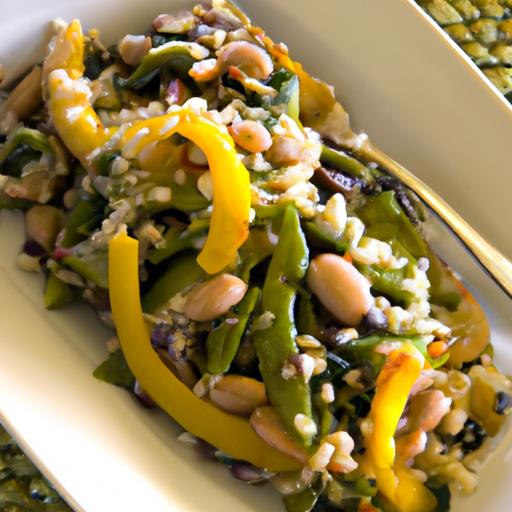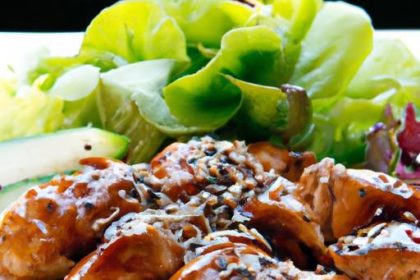



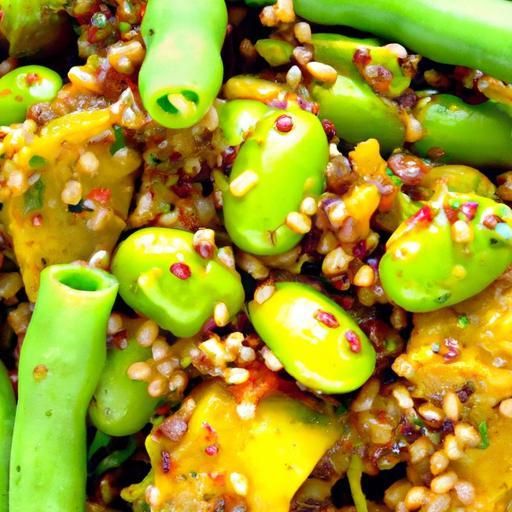

In a world brimming with superfoods and culinary trends, the humble mung bean often slips under the radar-yet it’s nutritional prowess and culinary versatility are nothing short of magical. Packed with protein, fiber, vitamins, and antioxidants, mung beans have been a staple in global cuisines for centuries, revered not onyl for their health benefits but also for their ability to transform simple dishes into vibrant, nourishing meals. Whether you’re a seasoned foodie or a curious kitchen adventurer, this article invites you to discover the enchanting world of mung beans through a collection of nutritious recipes that are as appetizing as they are wholesome. Prepare to unleash the mung bean magic on your plate today!
Mung Bean Magic unlocks the full nutritional power of these tiny, vibrant legumes, celebrated worldwide for their versatility and health benefits. From the bustling streets of Southeast Asia to the wholesome kitchens of India, mung beans have long been treasured for their protein-rich profile and subtle, nutty flavour. this recipe invites you to explore global traditions reimagined for modern palates, helping you energize everyday meals with wholesome ingredients and radiant, fresh flavors.
Prep and cook Time
Planning: 15 minutes | Cooking: 40 minutes | Total Time: 55 minutes
Yield
Serves 4 hearty portions
Difficulty Level
Medium
Ingredients
- 1 cup dried mung beans, rinsed and soaked for 2 hours
- 2 tablespoons olive oil or coconut oil
- 1 medium onion, finely chopped
- 3 cloves garlic, minced
- 1 teaspoon grated fresh ginger
- 1 medium carrot, diced
- 1 cup diced tomatoes (fresh or canned, no salt added)
- 1 teaspoon ground cumin
- 1 teaspoon turmeric powder
- 1/2 teaspoon smoked paprika
- 1/2 teaspoon chili flakes (optional for heat)
- 4 cups vegetable broth or water
- Salt and freshly cracked black pepper, to taste
- 1/4 cup chopped fresh cilantro or parsley, for garnish
- Juice of half a lemon
Instructions
- Drain the soaked mung beans and set aside.
- In a large saucepan, heat the oil over medium heat until shimmering. Add the chopped onion and sauté until translucent and slightly golden,about 5-7 minutes.
- Add the garlic and ginger and cook for 1 minute until fragrant, stirring continuously to prevent burning.
- Mix in the diced carrot and cook for another 3 minutes, stirring occasionally.
- Combine the spices-cumin, turmeric, smoked paprika, and chili flakes-and toast them gently in the pan for about 30 seconds to release their aroma.
- Pour in the diced tomatoes and cook, stirring occasionally, until they soften and break down, about 5 minutes.
- Add the drained mung beans and vegetable broth. Stir to combine and bring the mixture to a boil.
- Reduce heat to low, cover, and let simmer for 30-35 minutes or until mung beans are soft but not mushy. Stir occasionally to prevent sticking.
- season with salt and pepper, then stir in fresh lemon juice for brightness.
- Remove from heat and let it rest, covered, for 5 minutes to allow flavors to meld.
- Serve hot, garnished generously with chopped cilantro or parsley.
Tips for Cooking Mung Bean Magic to Perfection
Soaking mung beans shortens cooking time and helps unlock their delicate texture. Don’t skip this step for best results. Toasting your spices before combining transforms the dish with a depth of flavor that’s simply irresistible. If you prefer a creamier consistency, gently mash some of the mung beans with the back of a spoon before serving. For a fragrant twist, cook with a cinnamon stick or bay leaf and remove before plating.
Creative Serving Suggestions
this vibrant mung bean stew pairs beautifully with fluffy steamed basmati rice or warm wholegrain flatbreads to soak up every delicious drop. Garnish with a dollop of coconut yogurt or a drizzle of toasted sesame oil for an added layer of creaminess and nutty aroma. Add a side salad tossed with fresh lime, cucumber, and mint leaves for a refreshing contrast.

| Nutrient | Per Serving |
|---|---|
| Calories | 280 kcal |
| Protein | 18 g |
| Carbohydrates | 40 g |
| Fat | 6 g |
For deeper nutritional insights directly from health experts, check out this Harvard Nutrition Source guide on legumes.
Q&A
Q&A: Mung Bean Magic – Nutritious Recipes to Try Today
Q1: What makes mung beans so magical in the kitchen?
A1: Mung beans are tiny powerhouses of nutrition and versatility! Packed with protein, fiber, vitamins, and minerals, they offer a splendid foundation for both savory and sweet dishes. their mild, slightly nutty flavor pairs beautifully with spices and herbs, making them a pantry superstar for creative cooking.
Q2: Are mung beans easy to prepare for cooking?
A2: Absolutely! Mung beans cook faster than many other legumes, frequently enough softening in about 20-30 minutes without soaking. This makes them convenient for speedy meals, whether you’re making soups, stews, or refreshing salads.Soaking can speed up cooking even more, while sprouting enhances their nutritional profile.
Q3: What are some creative recipe ideas featuring mung beans?
A3: The options are endless! Try a fragrant mung bean and coconut curry, a zesty mung bean salad with fresh herbs and citrus, or a wholesome mung bean dal with warming spices. For a twist on breakfast, make a mung bean porridge sweetened with dates and topped with nuts. Mung bean pancakes and fritters also bring a delightful crunch to the table.
Q4: Can mung beans be used in plant-based or vegan diets?
A4: Definitely! Mung beans thrive in plant-based dishes due to their high protein content. They’re a perfect meat substitute in flavorful stews or grain bowls. Combining mung beans with whole grains like rice or quinoa creates a complete protein, ideal for balanced vegan meals.
Q5: How do mung beans benefit health beyond being tasty?
A5: Mung beans support digestion thanks to their fiber, help regulate blood sugar levels, and provide antioxidants that combat inflammation. Their rich array of nutrients promotes heart health, boosts energy, and even aids in maintaining healthy skin. Eating mung beans regularly can be a delicious way to nurture your well-being.
Q6: Can mung beans be sprouted, and how does that affect their use?
A6: Yes! Sprouted mung beans are a delightful crunchy addition to salads, sandwiches, and wraps. Sprouting enhances nutrient absorption and makes the beans easier to digest. Plus, sprouted mung beans bring a fresh, green flavor that enlivens many dishes.
Q7: What spices and flavors work best with mung beans?
A7: Mung beans dance beautifully with warming spices like cumin, coriander, turmeric, and ginger. Fresh herbs such as cilantro, mint, and parsley add brightness, while citrus juice or zest can lift the flavors further. Garlic, green chilies, and coconut milk also create rich, comforting profiles.
Q8: Are mung beans gluten-free and allergy-friendly?
A8: Yes, mung beans are naturally gluten-free and are generally considered safe for most allergies. They’re a great legume choice for those with gluten intolerance or seeking a hypoallergenic protein source.
Q9: Can mung beans be incorporated into desserts?
A9: Indeed! Mung beans shine in several sweet preparations, especially in Asian cuisines. Try mung bean puddings, sweet mung bean paste fillings for pastries, or mung bean coconut desserts. Their subtle sweetness and creamy texture make them surprisingly good for dessert experiments.
Q10: What’s a simple recipe to start with for a mung bean newbie?
A10: A great beginner’s recipe is a classic mung bean soup simmered with onions, garlic, cumin, and a squeeze of lemon. It’s hearty, comforting, and highlights mung beans’ natural flavor without complexity-perfect for discovering their magic.
Concluding Remarks
As we wrap up our exploration of mung bean magic, it’s clear that this humble legume holds a treasure trove of nutrition and endless culinary possibilities.From vibrant salads to comforting stews, mung beans effortlessly blend health and flavor, making them a perfect addition to any kitchen repertoire.So next time you’re seeking a wholesome boost or a fresh twist in your meals, remember the mighty mung bean-small in size but mighty in goodness. Embrace these nutritious recipes today and let mung beans transform your dishes into delightful celebrations of wellness and taste.