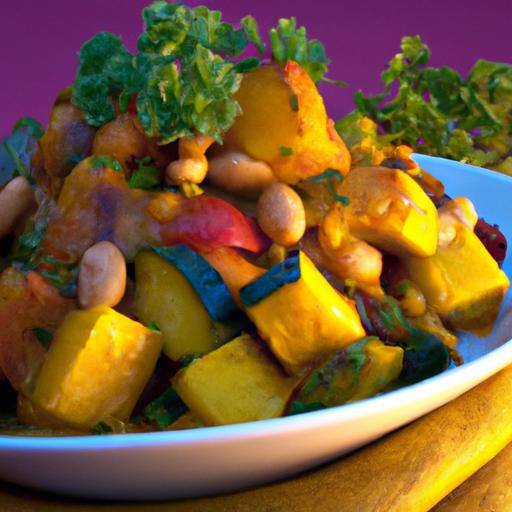





In the heart of Moroccan cuisine lies a dish that is as vibrant in flavor as it is indeed rich in history-vegetable tagine with apricots. This culinary masterpiece invites you on a flavorful journey through sun-drenched spice markets and fragrant gardens, were the sweetness of apricots meets the earthiness of tender vegetables, all slow-cooked to perfection in a traditional earthenware pot. More than just a meal, this tagine tells a story of culture, tradition, and the art of balancing bold spices with natural sweetness. Join us as we explore the captivating world of Moroccan vegetable tagine with apricots, uncovering the secrets that make it a beloved staple and a feast for the senses.
Exploring the Rich Traditions Behind Moroccan Vegetable Tagine
Moroccan vegetable tagine with apricots is more than a dish-it’s a vibrant tapestry weaving centuries of culinary tradition with the warmth of North African hospitality. Originating from the heart of Morocco,this stew celebrates the harmony of sweet and savory through a masterful balance of tender vegetables,fragrant spices,and luscious dried apricots. My first encounter with this dish was in a bustling Marrakesh medina, where the earthy aroma of cumin and cinnamon mingled with the sweetness of apricots created an unforgettable sensory experience. This iconic slow-cooked delight invites you to savor not only flavor but culture, storytelling, and the soulful art of Moroccan cooking.
Prep and Cook Time
- Preparation Time: 25 minutes
- Cooking Time: 1 hour 15 minutes
Yield
Serves 6 generously, perfect for a family feast or a gathering with friends.
Difficulty Level
Medium – Ideal for home cooks eager to explore authentic Moroccan flavors with clear, approachable techniques.
Essential Ingredients and Techniques for an Authentic Tagine Experience
- 2 tablespoons olive oil (preferably extra virgin for a rich, fruity note)
- 1 large onion, thinly sliced
- 3 garlic cloves, minced
- 2 medium carrots, cut into sticks
- 1 medium sweet potato, peeled and cubed
- 1 medium zucchini, chopped
- 1 red bell pepper, diced
- 1 cup dried apricots, halved
- 1 (14 oz) can of diced tomatoes
- 1/2 cup vegetable broth
- 1 teaspoon ground cumin
- 1 teaspoon ground coriander
- 1 teaspoon ground cinnamon
- 1/2 teaspoon turmeric
- 1/2 teaspoon smoked paprika
- Salt and freshly ground black pepper, to taste
- Fresh cilantro and parsley, chopped for garnish
- Juice of half a lemon to brighten flavors at the end
Mastering the Art of Balancing Sweet Apricots with savory Spices
- Heat olive oil in a heavy-bottomed pot or traditional tagine over medium heat.
- Sauté onion and garlic until softened and fragrant, about 5-7 minutes, stirring occasionally to prevent burning and achieve a translucent golden hue.
- Add the spices-cumin, coriander, cinnamon, turmeric, and smoked paprika-to the pan. Toast them gently for 1-2 minutes until their aromas bloom, a crucial step for depth of flavor.
- Incorporate the carrots, sweet potato, and bell pepper. Stir well to coat the vegetables with the spices, letting them mingle for 3-4 minutes.
- Pour in diced tomatoes and vegetable broth, then gently bring the mixture to a simmer. Cover and cook for 25 minutes, allowing the vegetables to tenderize and flavors to meld.
- Add the zucchini and dried apricots, stirring delicately. Continue cooking uncovered for another 15-20 minutes - this lets the apricots soften and release their natural sweetness, beautifully contrasting the spices.
- Season with salt, fresh pepper, and a squeeze of lemon juice. Stir to balance acidity and sweetness, adjusting seasoning according to your palate.
- Remove from heat and let the tagine rest for 5 minutes. This final step enhances flavor harmony and texture before serving.
chef’s Notes: Tips for Success
- For an even richer taste, try incorporating roasted chickpeas or tender green olives-both traditional Moroccan ingredients that complement the dish wonderfully.
- If fresh apricots are available, feel free to substitute dried apricots for a brighter fruitiness, but reduce added sweeteners since fresh fruit is juicier.
- A traditional tagine pot imparts an unparalleled earthy aroma; however, a heavy Dutch oven works just as well.
- To make this dish ahead, prepare it a day in advance-the flavors intensify beautifully with resting time in the refrigerator.
- Use freshly ground spices for the most vibrant, authentic taste.
Creative serving Suggestions to Elevate Your Moroccan Feast
Moroccan vegetable tagine with apricots shines when paired with fluffy couscous, allowing the silky sauce to soak into each bite. Garnish generously with chopped fresh cilantro and flat-leaf parsley for a burst of color and herbaceous freshness. To add texture, sprinkle toasted slivered almonds or crunchy roasted chickpeas atop the dish. Serve alongside warm, buttery Moroccan flatbreads like msemen or khobz for an immersive dining experience.
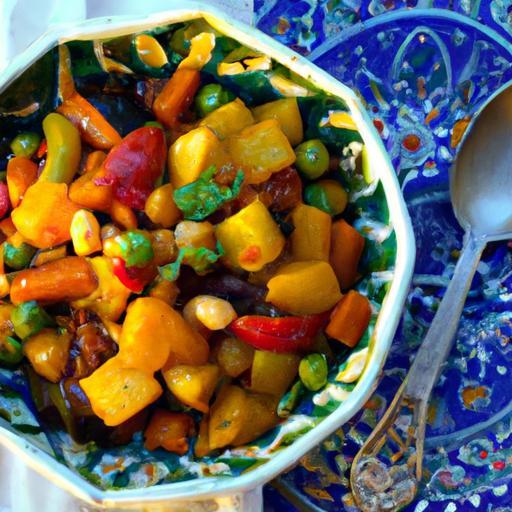
For a visual feast, present your tagine in a vibrant ceramic dish-its warm hues echo the golden spices within. Accompany with a simple side salad dressed in lemon vinaigrette, balancing the richness of the stew with crisp acidity. a glass of refreshing mint tea perfectly rounds out this richly layered meal (non-alcoholic and authentically Moroccan).
| Nutrient | Per Serving |
|---|---|
| Calories | 280 kcal |
| Protein | 6 g |
| Carbohydrates | 45 g |
| Fat | 7 g |

For more North African inspired dishes, check out our popular Moroccan Chickpea Tagine recipe. To deepen your understanding of traditional cooking pots,visit this Britannica article on tagines for expert insights.
Q&A
Q&A: Moroccan Vegetable Tagine with Apricots – A Flavorful Journey
Q1: What exactly is a tagine, and why is it so special in Moroccan cuisine?
A: A tagine is both a traditional North African clay pot and the slow-cooked dish prepared within it. The pot’s conical lid traps steam, allowing flavors to meld and vegetables or meats to become tender and infused with spices. This cooking method results in a deeply aromatic and richly textured meal that epitomizes Moroccan culinary artistry.
Q2: Why use apricots in a vegetable tagine?
A: Apricots add a lovely balance of natural sweetness and slight tartness, which complements the warm and earthy Moroccan spices like cinnamon, cumin, and ginger.Their juicy, tender bite contrasts with the hearty vegetables, creating layers of flavor that dance on the palate.
Q3: What vegetables work best in this tagine?
A: root vegetables such as carrots, sweet potatoes, and turnips are excellent choices since they hold their shape and absorb flavors well. Other popular additions include zucchini, bell peppers, tomatoes, and chickpeas, which add texture and protein, enriching the dish’s complexity.
Q4: how do the spices used in this dish contribute to its signature taste?
A: Moroccan spices are a fragrant symphony. Cinnamon lends warmth, ginger adds a zesty bite, cumin brings earthiness, and turmeric offers subtle bitterness with a vibrant hue. Combined with garlic, coriander, and a pinch of saffron if available, these spices weave together a tapestry of flavor that defines this tagine’s soul.
Q5: Is it possible to make this dish without a traditional tagine pot?
A: Absolutely! While a classic tagine pot enhances the dish’s slow-cooked charm, a heavy-bottomed Dutch oven or a deep, lidded skillet works wonderfully too. The key is to maintain gentle, even heat and allow enough time for the ingredients to meld into a harmonious whole.
Q6: what should one serve with Moroccan vegetable tagine to make a complete meal?
A: Traditional accompaniments include fluffy couscous, warm flatbreads, or steamed rice which soak up the rich sauce beautifully.A side of fresh herb salad or pickled vegetables adds brightness and textural contrast, rounding out the meal.
Q7: How can I make this dish vibrant and healthy without sacrificing flavor?
A: Use fresh, seasonal vegetables and balance the sweet apricots with a tangy splash of lemon juice or preserved lemon to brighten the flavors. Opt for olive oil to sauté your ingredients gently, and embrace the slow cooking process to deepen the spice notes naturally, avoiding the need for extra salt or heavy fats.
Q8: Can Moroccan vegetable tagine with apricots be prepared ahead of time?
A: Definitely! Actually, tagines frequently enough taste even better the next day, as the flavors continue to develop. Simply store the cooled dish in the refrigerator and reheat gently on the stove or in the oven before serving.
Q9: What makes this dish a “flavorful journey”?
A: Every bite of the tagine is a sensory exploration-starting with the radiant sweetness of apricots, weaving through the spicy warmth of Morocco’s cherished spice blends, then resting on the satisfying earthiness of slow-cooked vegetables. It’s a journey through textures, tastes, and traditions that invites you to savor the heart of moroccan hospitality.
Q10: How can I add a personal touch to this classic recipe?
A: Feel free to experiment by incorporating your favorite seasonal vegetables, adding toasted almonds or pine nuts for crunch, or garnishing with fresh herbs like cilantro or parsley to introduce a fresh note. The beauty of a tagine lies in its adaptability, letting you bring your own story to this timeless dish.
Wrapping Up
As the aromatic spices of Moroccan vegetable tagine with apricots continue to linger on your palate, you’ve uncovered more than just a recipe-you’ve embarked on a flavorful journey through centuries of tradition and vibrant culture. This dish, with its harmonious blend of tender vegetables, sweet apricots, and fragrant spices, serves as a appetizing testament to Morocco’s rich culinary tapestry. Whether shared with loved ones or savored in quiet moments, this tagine invites you to slow down and appreciate the art of combining simple ingredients into a symphony of taste. So next time you seek a meal that warms the soul and broadens your culinary horizons,let this Moroccan classic transport you to sun-soaked markets and bustling kasbahs-one savory bite at a time.