




In the world of gastronomy, taste may be king, but presentation is the enchanting queen that captures the eye and beckons the palate.Mastering the art of plating transcends mere decoration-it transforms a dish into a visual masterpiece, inviting diners on an immersive sensory journey before the first bite. Whether you’re a seasoned chef or a passionate home cook, elevating your culinary creations thru thoughtful, artistic plating can turn everyday meals into unforgettable experiences.This article will unveil the secrets and techniques behind stunning plate presentations, empowering you to craft dishes that look as exquisite as they taste.
Understanding Visual Balance, Color Contrast, and Plate Selection
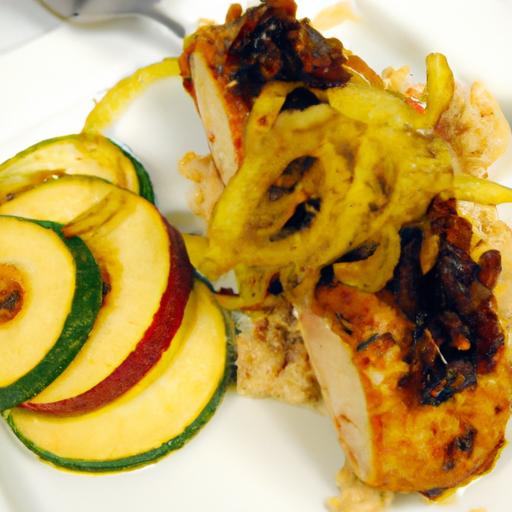
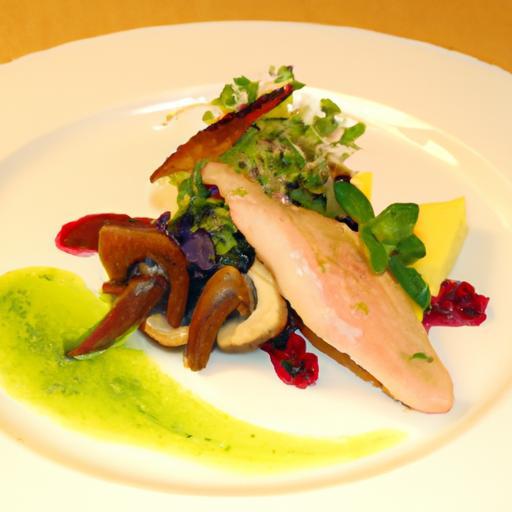
Mastering the Art of Plating begins with a keen eye for visual balance and color contrast. When you thoughtfully arrange your dish, you don’t just serve food-you tell a story. Achieving harmony on the plate involves balancing shapes, colors, and textures so that each element complements the other without overwhelming. Imagine a vibrant beet puree offset by crisp, green microgreens or a piece of golden seared fish framed by creamy white sauces and bright pops of red. This contrast draws the eye and excites the palate before the first bite.
Choosing the perfect plate is just as essential as the dish itself. A wide, simple white plate often acts as a blank canvas bringing life to colorful ingredients, while textured or colored plates can add depth if used wisely. Consider the size, shape, and edge height – these can guide how you layer and showcase your components. Opt for plates with generous “negative space” to give each element room to breathe and avoid overcrowding, which can dilute the impact of your creation.
Prep and Cook Time
- Prep Time: 20 minutes
- Cook Time: 15 minutes
Yield
Serves 4 elegantly plated portions
Difficulty Level
Medium – perfect for cooks ready to elevate everyday meals into visual feasts
Ingredients
- 4 skin-on salmon fillets, 6 oz each
- 1 cup beetroot puree, smooth and vibrant
- 1 cup whipped herb-infused cream (parsley & chive)
- 1/2 cup toasted pine nuts
- 2 cups wilted baby spinach
- 1 lemon, zest and thin slices for garnish
- Microgreens, for a delicate, fresh garnish
- Salt and freshly cracked black pepper, to taste
- 2 tbsp olive oil
Instructions
- Prepare the salmon: Pat dry and season each fillet generously with salt and pepper. Heat olive oil in a nonstick pan over medium-high heat.
- Sear the salmon skin-side down: Place fillets skin-side down and press lightly for even contact. Sauté until skin is crisp and golden, about 5 minutes. Flip and cook for an additional 2 minutes. Remove from heat and let rest.
- Create the plate foundation: Using the back of a spoon, spread a generous swoosh of beetroot puree asymmetrically on each plate-this creates a vibrant, contrasting base.
- Add texture and balance: Spoon or pipe dollops of whipped herb cream next to the beetroot,offsetting the bold color with lightness. Sprinkle toasted pine nuts over the cream and puree for crunch.
- Stack greens to add height: Arrange wilted spinach beside the puree and cream, using tongs to build a small mound that adds vertical dimension.
- Place the salmon: Lean each fillet gently against the spinach mound so the crisp skin faces upward.This layered approach creates dynamic height and invites the eye to explore the plate.
- Garnish final touches: Scatter microgreens atop the salmon and around the plate for freshness and brightness. Finish with lemon zest and a thin lemon slice on the side to inject zesty aroma and a burst of color contrast.
Tips for Success
- When spreading the beet puree, keep your hand steady and use smooth, confident strokes to create elegant swooshes.
- Use contrasting textures-creamy, crunchy, crispy, tender-to engage multiple senses at once, making your dish irresistible.
- Don’t be afraid to play with asymmetry for a modern and organic look; perfect symmetry can sometimes appear too rigid.
- Make your microgreens a star by choosing varieties with different colors and shapes-red vein sorrel or purple radish microgreens add intrigue.
- Prepare components ahead but assemble last to maintain fresh textures and crispness on the plate.
Serving Suggestions
serve this plated salmon dish immediately while warm, paired with a crisp Sauvignon Blanc or lightly chilled rosé. The colorful visual balance invites guests to savor not only the flavors but the harmony of the entire experience. For an added flourish,accompany with artisan bread triangles or a light citrus vinaigrette drizzled artfully beside the spinach mound.
| Nutrient | Per Serving |
|---|---|
| Calories | 380 kcal |
| Protein | 32 g |
| Carbohydrates | 8 g |
| Fat | 22 g |
Explore more culinary techniques for flawless presentation to continue elevating your plating skills. For deeper insights on color theory and visual balance in food, visit Exploratorium’s Color and Food resource.

Q&A
Q&A: Mastering the Art of Plating – Elevate Your Culinary Creations
Q1: What exactly is plating,and why is it vital in cooking?
A: Plating is the artful arrangement and presentation of food on a plate. It transforms a simple meal into a multisensory experience by appealing visually before the first bite. Grate plating elevates a dish’s perceived value, enhances appetite, and reflects the chef’s creativity and care. After all,we eat with our eyes first!
Q2: How can a home cook start improving their plating skills?
A: Begin with the basics: think about color,contrast,and balance. Use white or neutral plates to let your food shine.Experiment with placing elements with intention-try the “clock method” (protein at 6 o’clock, starch at 2, vegetables at 10). Play with textures and garnishes, and remember that negative space (empty areas on the plate) gives your dish room to breathe.
Q3: What role do colors play in plating?
A: Colors create visual excitement and hint at flavors.A vibrant plate often includes bright greens,deep reds,vivid yellows,and earthy browns. Contrasting colors not only make the dish pop but can signal freshness and nutritional variety. Using seasonal produce naturally adds color harmony and authenticity.
Q4: How can plating enhance the dining experience beyond just looks?
A: Thoughtful plating guides the diner’s journey through the meal. Arranging components in layers or with height adds dimension and intrigue. Using edible flowers or microgreens introduces subtle flavor notes and textures. When plating balances aesthetics with practical considerations-like ease of cutting and combining flavors-it enriches both taste and presentation.
Q5: Are there common mistakes to avoid in plating?
A: Yes! Overcrowding the plate smothers the food and confuses the eye.Avoid piling everything in one spot-aim for harmony. Also, using too many garnishes can feel gimmicky rather than elegant. make sure the plate edges are clean; a stray sauce drip can distract from your masterpiece.Q6: Can plating styles vary by cuisine?
A: absolutely. Each culinary tradition has its own plating story. Japanese plating often embraces simplicity and minimalism, emphasizing natural beauty and balance. French cuisine may highlight precision and symmetry. Contemporary fine dining trends might incorporate abstract, sculptural designs. Exploring these styles opens creative doors for your own plating evolution.Q7: What tools or tricks can help elevate plating at home?
A: Simple tools like tweezers, squeeze bottles, ring molds, and offset spatulas can bring a professional touch.Using spoons to drizzle sauces precisely or sharply cutting vegetables into uniform shapes makes a big difference. Lighting also matters; natural light or warm bulbs can enhance colors and textures beautifully for presentation.
By mastering plating, you’re not just serving food-you’re telling a story with each dish. Each swirl of sauce and carefully placed herb invites your guests into your culinary world, proving that great food is as much art as it is nourishment.
The Way Forward
As you continue to refine your plating skills, remember that each dish is a canvas and every ingredient a brushstroke. Mastering the art of plating is not just about making food look beautiful-it’s about telling a story, awakening the senses, and transforming a simple meal into an unforgettable experience.With thoughtful composition, attention to detail, and a dash of creativity, you have the power to elevate your culinary creations from mere sustenance to edible works of art. So go forth,experiment boldly,and let your plates speak volumes before the very first bite.