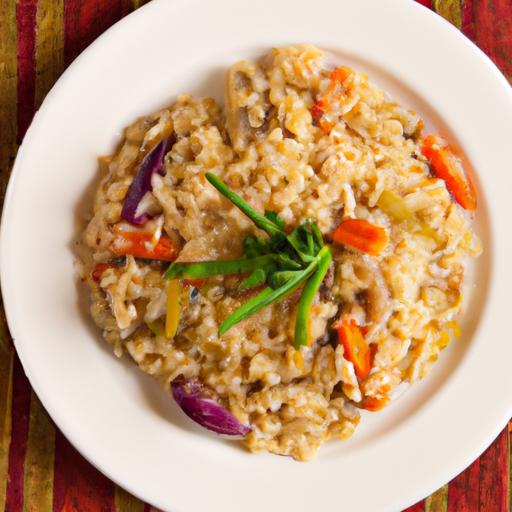




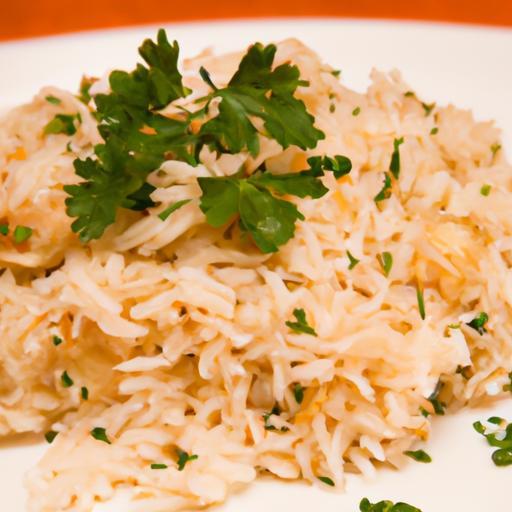

Rice pilaf is more than just a side dish-it’s a canvas for culinary creativity, a symphony of grains, aromatics, and spices that transforms simple rice into an unforgettable experience.Whether you’re a kitchen novice or a seasoned cook,mastering the art of rice pilaf can elevate your meals from mundane to splendid. In this flavorful guide, we’ll unravel the secrets behind perfectly fluffy, fragrant pilaf every time, exploring techniques, ingredient pairings, and vibrant variations that celebrate this timeless dish. Prepare to unlock the full potential of your rice and embark on a delicious journey toward pilaf perfection.
mastering Rice Pilaf invites you into a delicious world where the humble grain is transformed into a fragrant, fluffy masterpiece. Originating from Middle Eastern and Mediterranean cuisines, rice pilaf stands out for its fragrant layers of flavor and perfectly seperate grains. The secret lies not only in the choice of rice but in the technique and complementary ingredients that bring each bite to life.
prep and Cook Time
- Preparation: 10 minutes
- Cooking: 25 minutes
- Total Time: 35 minutes
Yield
Serves 4 generously as a side or 2-3 as a main dish.
Difficulty Level
Medium – Perfect for cooks looking to elevate their rice game with approachable techniques.
Ingredients
- 1 ½ cups long-grain basmati rice, rinsed until water runs clear
- 3 tablespoons unsalted butter or olive oil
- 1 small onion, finely chopped
- 2 cloves garlic, minced
- 3 cups low-sodium vegetable or chicken broth, heated
- 1 teaspoon kosher salt
- ½ teaspoon freshly ground black pepper
- 1 bay leaf
- ¼ cup chopped fresh parsley or cilantro
- 2 tablespoons toasted slivered almonds or pine nuts (optional)
- Juice of half a lemon (optional, for brightness)
Instructions
- Rinse and soak the rice. Thoroughly rinse the basmati rice under cold water, then soak it for 20 minutes while preparing the other ingredients. This step helps achieve fluffier, less sticky grains.
- Warm the broth. Heat your chosen broth in a separate saucepan until it just simmers. Keeping it hot ensures even cooking and absorption.
- toast the rice. In a heavy-bottomed saucepan or skillet, melt the butter over medium heat. Add the finely chopped onion and garlic, sautéing until translucent and fragrant, about 3 minutes. Drain the soaked rice well and add it to the pan.
- Elevate aroma and texture. Stir the rice constantly as it toasts, coating every grain with butter and onion flavors. Toast until the rice turns a subtle golden hue and emits a nutty aroma, approximately 5 minutes – do not rush this vital step!
- add seasonings and broth. introduce the bay leaf, salt, and pepper to the pan. Then carefully pour in the hot broth, stirring once to distribute evenly.Bring to a gentle boil.
- simmer gently. Reduce heat to low, cover tightly with a lid, and let the rice simmer undisturbed for 15-18 minutes or until all liquid is absorbed. Avoid lifting the lid frequently to keep steam trapped.
- Rest and fluff. Turn off the heat and let the pilaf sit covered for 10 minutes to finish steaming. Remove the bay leaf, then fluff the rice gently with a fork to separate the grains.
- Customize with fresh herbs and add-ins. Stir in chopped fresh parsley or cilantro, a squeeze of fresh lemon juice, and toasted nuts if desired – thes brighten the dish and add textural contrast.
Tips for Success
- Choosing the rice: While basmati is preferred for its slender grains and fragrance, jasmine or other long-grain varieties work well for pilaf. Avoid short-grain rice to prevent clumping.
- Broth matters: Using a rich, flavorful broth is key to unlocking the pilaf’s depth. Homemade or high-quality store-bought broth makes a noticeable difference.
- Toasting technique: Watch closely so the rice doesn’t burn during toasting. A light golden color is ideal - it deepens flavor without bitterness.
- Make-ahead tip: This pilaf adapts beautifully for batch cooking. Cool completely, then refrigerate for up to 3 days. Reheat gently with a sprinkle of broth or water.
- Herb variations: Swap parsley for dill, mint, or tarragon to tailor the flavor profile to your dish.
- Nut alternatives: Consider chopped walnuts or pistachios for a different crunch and richness.
Serving suggestions
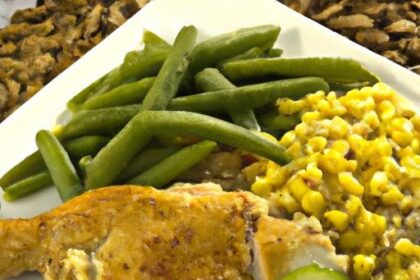
Present this pilaf as a stunning side for grilled vegetables,roasted chicken,or spiced lamb. Its fluffy texture and aromatic layers make it a star bed for sauced dishes like curry or tagine. Garnish with a sprinkle of fresh herbs, a few toasted nuts scattered on top, and a wedge of lemon on the side for added allure and freshness. For an elegant touch, a drizzle of quality extra virgin olive oil just before serving enhances the shine and mouthfeel.
| Nutrient | Per Serving |
|---|---|
| Calories | 220 kcal |
| Protein | 5 g |
| Carbohydrates | 40 g |
| fat | 6 g |

For a deeper dive into rice varieties and their best uses, explore our guide on Rice Varieties Explained. To understand broth options and their culinary impact, visit this complete resource at USDA Food Safety.
Q&A
Q&A: Mastering Rice Pilaf – A Flavorful Guide to Perfect Grain
Q1: What makes rice pilaf different from regular steamed rice?
A1: Unlike plain steamed rice, rice pilaf is all about layering flavor from the very start. the rice gets toasted in oil or butter before adding broth, which imparts a nutty, aromatic base. The cooking liquid simmers in, infusing the grains with seasoning, herbs, and sometimes vegetables, resulting in a fluffy, fragrant dish with depth and character.
Q2: Can any type of rice be used for pilaf?
A2: While long-grain varieties like basmati and jasmine are favorites for their fluffy, separate grains, other types such as brown rice or wild rice can be used too. Just remember that cooking times and liquid ratios might vary; brown rice requires longer simmering and more liquid,offering a nuttier,heartier bite.
Q3: What’s the secret to perfectly fluffy pilaf rather of mushy rice?
A3: The key is to rinse the rice thoroughly before cooking to remove excess starch, which can cause clumping. Toasting the rice in fat helps coat each grain, preventing them from sticking together. Lastly, measuring your broth carefully and avoiding stirring during simmering keeps the pilaf light and separate.
Q4: How can I add more flavor without overpowering the rice?
A4: Start with aromatic foundation ingredients like finely diced onions, garlic, or shallots sautéed in butter or oil. Incorporate whole spices such as cinnamon sticks, cardamom pods, or bay leaves for subtle warmth. Fresh herbs like parsley, dill, or thyme can be stirred in at the end for a radiant finish.Taste as you go to maintain balance.
Q5: Is rice pilaf adaptable for dietary preferences?
A5: Absolutely! Pilaf is a versatile canvas. use vegetable broth for vegetarian or vegan versions, and swap butter for olive or coconut oil to accommodate dairy-free diets. Incorporate nuts, seeds, or sautéed vegetables for added texture and nutritional boost-think toasted almonds, pine nuts, or roasted mushrooms.
Q6: Can I prepare rice pilaf ahead of time without losing quality?
A6: Yes! Cook your pilaf a few hours in advance and let it cool completely before storing in an airtight container. When ready to serve,gently reheat with a splash of broth or water to refresh moisture. Fluff with a fork to restore that signature texture-perfect for entertaining or meal prep.
Q7: What dishes pair beautifully with rice pilaf?
A7: Pilaf complements a wide spectrum-from grilled vegetables and marinated tofu to roasted chicken, lamb, or fish. Its subtle flavor profile acts as a harmonious backdrop, enhancing more robust mains without competing, while also shining on its own as a satisfying side or light meal.
Q8: Are there regional twists to rice pilaf worth exploring?
A8: Certainly! middle Eastern pilafs may include dried fruits like apricots or raisins alongside toasted almonds for a sweet-savory balance. Mediterranean versions might incorporate sun-dried tomatoes and olives, while South Asian styles ofen infuse saffron or turmeric for vibrant color and aroma.Each variation invites you to explore cultural nuances and enjoy new flavor horizons.
Mastering rice pilaf is about patience, respect for the rice grain, and a dash of creativity. With these insights, your pilaf can evolve from simple side dish to the star of the platter-inviting, flavorful, and perfectly textured every time.
The Way Forward
As you embark on your own rice pilaf adventures,remember that mastering this timeless dish is as much about patience and technique as it is about passion for flavor. Each grain of rice, perfectly toasted and lovingly simmered, tells a story of tradition and creativity coming together on your plate. With these insights and tips, you hold the key to transforming a simple staple into a vibrant, aromatic masterpiece. So go ahead-experiment, savor, and share your newfound pilaf prowess, turning every meal into a festivity of texture, taste, and the art of perfect grain.