


In the vast and vibrant world of seafood, few treasures are as intriguing and rewarding as the monkfish. Frequently enough overshadowed by its flashier ocean counterparts, this unassuming fish holds a secret: a dense, sweet flesh that promises culinary magic when handled with care.”Mastering Monkfish: A Creative Guide to Perfect Cooking” invites you on a journey beyond the familiar, unlocking techniques and inventive recipes that transform monkfish from a humble catch into a star on your plate.Whether you’re a seasoned chef or a curious home cook, this guide offers the knowledge and inspiration needed to conquer monkfish confidently-and deliciously. dive in, and prepare to make monkfish your next kitchen masterpiece.
Understanding Monkfish Anatomy and Selecting the Freshest Catch for Mastering Monkfish
Mastering monkfish begins with recognizing that this unique seafood treasure is a marvel of marine anatomy and flavor potential. Known as the “poor man’s lobster,” monkfish boasts a firm texture and mildly sweet taste that can rival even the most luxurious crustaceans. When selecting the freshest catch, look for firm, white flesh free of any discoloration or strong odors-its appearance should be clean, moist, and almost translucent, signaling pristine freshness.
monkfish’s anatomy might seem intimidating at first glance due to its large head and broad body, but the real prize lies in its dense tail meat. This chunk of pure muscle holds a texture that balances chewiness and tenderness, making it perfect for a variety of cooking methods.One essential step to master is removing the tough translucent membrane that envelops the tail; ignoring this step can result in a rubbery bite and uneven cooking.
choosing monkfish sourced through reputable suppliers often means benefiting from lasting fishing practices and better quality assurance. A quick press test on the flesh should bounce back quickly, and fresh monkfish will exude a clean, ocean-like fragrance-not fishy or sour.
Preparing Monkfish for Cooking: Removing the Membrane and Tailoring texture
Once you have your fresh monkfish tail, preparing it properly elevates your dish from good to exceptional. The membrane surrounding the meat is deceptively tough and chewy,which can hinder the delicate flaking texture once cooked. To remove it, use a sharp paring knife and loosen the edge before gripping a corner of the membrane with a paper towel to pull gently but firmly away. This simple technique reveals the velvet-soft flesh beneath, ready to absorb marinades and spices beautifully.
Next, consider the cut. Thick medallions are ideal for pan-searing and slow simmering, while thin strips are perfect for quick sautés or skewers. Tailoring the size and shape of your cuts ensures even cooking and enhances mouthfeel. For an extra touch of finesse, lightly score thicker pieces to allow flavors to penetrate deeply and to help with heat distribution.
Innovative Flavor Pairings to Elevate your Monkfish Dish
Highlighting monkfish’s subtle sweetness requires creative, yet complementary flavor pairings. Luminous citrus elements like yuzu, blood orange, or fresh lime zest add vibrant notes that cut through the rich texture. earthy root vegetables such as parsnip or sunchokes, gently roasted with a touch of smoked paprika, create a rustic backdrop. For herbaceous contrast, fresh tarragon, chervil, or a hint of lemongrass work wonders.
For a savory touch, consider incorporating miso pastes or tahini-based sauces-these umami-rich ingredients emphasize the meaty qualities of monkfish without overpowering its delicate character. Textural play can be introduced through crisp fried capers or toasted pine nuts sprinkled over finished dishes, creating layers of taste and crunch.
Perfect Cooking Techniques from Searing to Slow Simmering
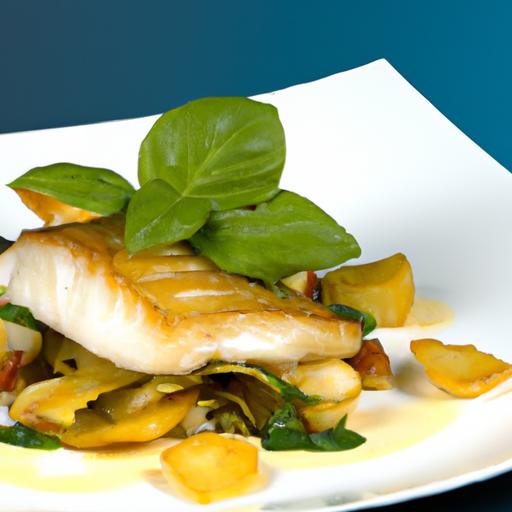
Mastering monkfish’s texture means mastering your cooking technique. For a golden crust with tender moisture inside, pan-searing is your go-to. Preheat a heavy skillet and add a neutral oil with a high smoke point. Once hot,lay down the monkfish medallions away from you and leave undisturbed for 2-3 minutes. Flip carefully and finish with a knob of butter and fresh herbs,basting lightly for an irresistible aroma.
Slow simmering in flavor-packed broths or gentle sauces brings out a melt-in-your-mouth softness, transforming firmer pieces into silky morsels.When simmering, maintain a low, steady heat and avoid boiling, which can toughen the protein.
For added dimension, try roasting surrounded by root vegetables or grilling over moderate heat, brushing periodically with gremolata or a miso glaze for caramelized layers. The key is preserving that signature bounce and succulence unique to this fish.
Prep and Cook Time
- planning: 20 minutes
- cooking: 15-25 minutes (depending on method)
- Total Time: 40-45 minutes
Yield
Serves 4 generously
Difficulty Level
Medium – requires precise membrane removal and attentive cooking
Ingredients
- 1.5 lbs monkfish tail, membrane removed and cut into 1.5-inch medallions
- 2 tbsp neutral oil (grapeseed or avocado)
- 2 cloves garlic, thinly sliced
- 1 tsp smoked paprika
- 1 tbsp fresh lemon juice
- 2 tbsp unsalted butter
- 1 tbsp fresh tarragon, chopped
- Sea salt and freshly ground black pepper, to taste
- Optional: 1 tbsp toasted pine nuts or fried capers for garnish
Instructions
- Ensure monkfish is properly thawed if previously frozen. pat dry with paper towels to remove excess moisture,which helps achieve a crispy sear.
- Warm a heavy skillet over medium-high heat and add the neutral oil. When shimmering, carefully place monkfish medallions into the pan, spacing them apart.
- Cook undisturbed for 3 minutes or until a golden crust forms. Flip gently and add garlic slices and butter to the pan.
- Baste the fish with melted butter and garlic for 2-3 minutes until cooked through but still tender. Season with salt, pepper, smoked paprika, and lemon juice.
- Transfer the monkfish to a warm plate and sprinkle with fresh tarragon. Garnish with toasted pine nuts or fried capers if using.
- Serve immediately for optimal flavor and texture.
Tips for Success
- Membrane removal: Use a sharp knife and paper towel grip to prevent slipping and reduce waste.
- Marinating: A quick 15-minute soak in lemon juice, garlic, and herbs enhances flavor without altering texture.
- Don’t overcrowd the pan: Sear in batches if necessary to maintain a crisp crust.
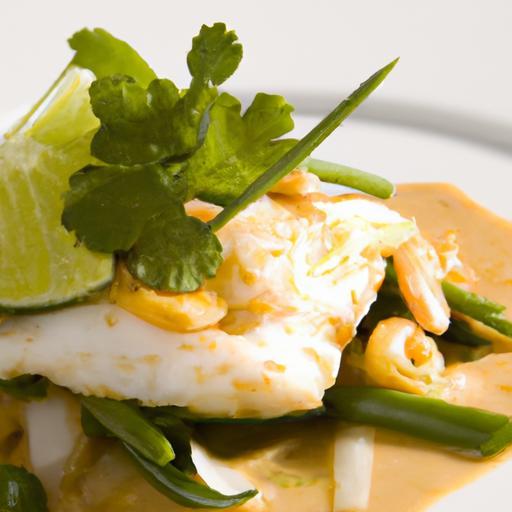
- Slow simmer alternative: Poach monkfish in a light coconut-curry broth for 15 minutes for a silky, aromatic experience.
- Make-ahead: Remove the membrane and store in an airtight container for up to 48 hours before cooking.
Serving Suggestions
Plate your monkfish medallions atop a vibrant bed of sautéed seasonal greens like spinach or swiss chard.Drizzle with a bright citrus vinaigrette or a miso-tahini sauce for contrast. Add roasted golden beets or parsnips around the edges for earthiness and color. Finish with a sprinkle of fresh herbs, such as chervil or tarragon, and a lemon wedge to brighten the palate.

| Nutrient | Per Serving |
|---|---|
| Calories | 250 kcal |
| Protein | 38 g |
| Carbohydrates | 2 g |
| Fat | 8 g |
Discover more creative seafood recipes in our Creative Seafood Recipes collection for further inspiration. For an in-depth look at sustainable seafood sourcing, check out the Marine Stewardship Council.
Q&A
Q&A: Mastering Monkfish – A Creative Guide to Perfect Cooking
Q1: What makes monkfish a unique choice for home cooks?
A1: Monkfish is often called the “poor man’s lobster” for good reason-it boasts a firm, meaty texture and a subtle, sweet flavor that stands up beautifully to bold seasonings and diverse cooking techniques. Its dense flesh holds together well, making it perfect for grilling, roasting, or even skewering. Plus, its a bit of an underdog in the seafood world, offering a creative canvas for adventurous chefs.
Q2: How should I select the best monkfish at the market?
A2: Fresh monkfish fillets should look moist, have a translucent sheen, and feel firm to the touch without any sliminess.They typically have a pale, ivory color. Avoid fillets with a strong fishy odor-fresh monkfish smells clean and ocean-fresh. When buying whole monkfish, look for clear eyes and bright red gills, signs of peak freshness.
Q3: What are the key steps to properly prepare monkfish before cooking?
A3: Start by trimming away the tough membrane that sometimes clings to the fillet-it’s chewy and unappetizing.Rinse under cold water and pat dry with paper towels to remove excess moisture; this helps with browning. Since monkfish is naturally dense, cutting it into even pieces ensures uniform cooking and allows spices or marinades to penetrate more effectively.
Q4: What cooking methods best showcase monkfish’s texture and flavor?
A4: Monkfish’s firm flesh shines in recipes that provide a contrast of textures-a crispy sear on the outside with a tender interior, such as. Pan-searing, roasting, or grilling can coax out its natural sweetness. Because it holds up well, it’s excellent in hearty stews or wrapped in flavorful herbs and roasted. Just be careful not to overcook, as it can become tough.
Q5: Can monkfish be cooked whole or should it always be filleted?
A5: While whole monkfish can be prepared-often in hearty, rustic dishes-fillets are generally preferred for their convenience and elegance. The tail portion, which yields the fillets, is prized for its tender meat. Cooking whole monkfish involves additional steps like removing the tough skin and bones, so filleting is a great way to streamline the process and get straight to appetizing results.
Q6: How can I add creative flair to monkfish dishes without overpowering its natural taste?
A6: Think vibrant citrus elements like lemon zest or yuzu for brightness, or spices such as smoked paprika and cumin that add warmth and depth. Fresh herbs like tarragon, parsley, or cilantro provide aromatic complexity. Consider cooking monkfish alongside earthy mushrooms or sweet root vegetables to build layers of flavor. The key is balance-support the fish without masking its mild sweetness.
Q7: Are there any common mistakes to avoid when cooking monkfish?
A7: Overcooking tops the list-because monkfish is dense, it moves quickly from perfectly tender to rubbery. Use medium-high heat for a quick sear, and if finishing in the oven, watch cooking times carefully. Skimping on seasoning is another pitfall; monkfish benefits from a good hit of salt and spices to elevate its flavor.Lastly, don’t neglect resting the fish briefly after cooking-it helps the juices redistribute for the best texture.
Q8: What are some exciting flavor pairings and side dishes for monkfish?
A8: Monkfish pairs wonderfully with bold, earthy, and fresh components. Try a bright salsa verde, roasted fennel, or charred asparagus to cut through its richness. Creamy polenta or a fragrant saffron risotto can amplify its luxurious mouthfeel. another fun idea is serving monkfish skewers with a zesty chimichurri or a spicy harissa sauce, adding that captivating punch.
Q9: Can monkfish be used in international cuisines?
A9: Absolutely! Its adaptable texture makes monkfish a global culinary chameleon. In Mediterranean dishes, it’s excellent baked with olives and tomatoes. In Asian cooking,try it gently poached with ginger and scallions or included in a vibrant curry. The firmness allows monkfish to be cubed for kebabs, incorporated into seafood stews, or even turned into delicate fish cakes with a creative twist.
Q10: How can I store monkfish to maintain its freshness before cooking?
A10: Keep monkfish chilled on ice or in the coldest part of your fridge, ideally wrapped tightly in plastic wrap or stored in an airtight container to prevent air exposure. Use it within a day or two for the best flavor and texture. If you need to freeze it,seal the fillets in vacuum bags or heavy-duty freezer wrap to avoid freezer burn.Thaw slowly in the fridge before cooking for consistent results.
Embrace the robust charm of monkfish and let your creativity guide your plate-it’s a fish that invites creativity while rewarding precision. With these tips in hand, you’re well on your way to mastering monkfish with flair and confidence!
Concluding Remarks
As you close the chapter on mastering monkfish, remember that this unique sea treasure rewards the patient and the inventive. With its firm texture and subtle sweetness, monkfish invites you to explore flavors and techniques that elevate everyday cooking into a culinary adventure. whether seared to golden perfection,nestled in a fragrant stew,or grilled with a zesty marinade,each bite echoes the ocean’s quiet elegance. So, equip your kitchen with knowledge, trust your instincts, and let monkfish be your canvas-where creativity meets mastery on every plate. The sea has spoken; now it’s your turn to cook.