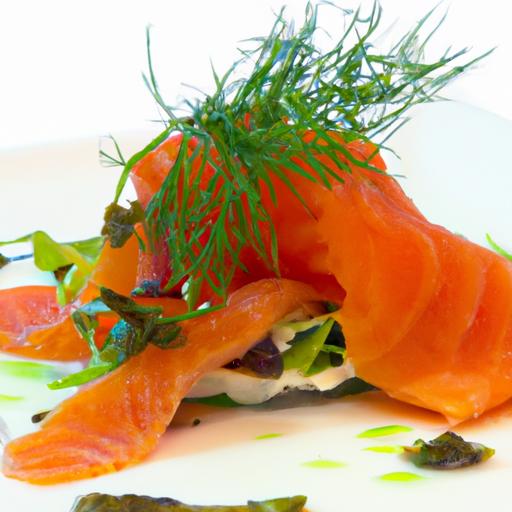




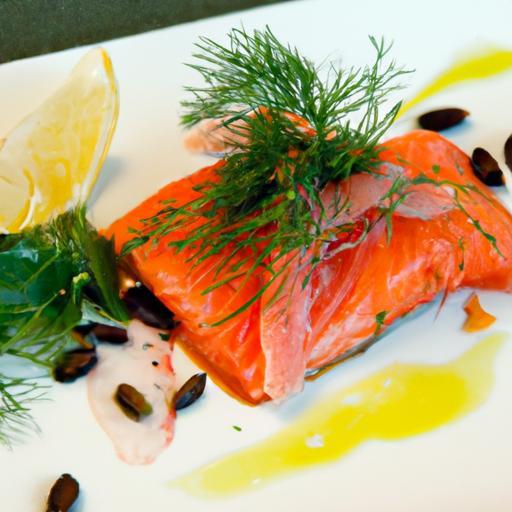

There’s a quiet magic in transforming simple, fresh fish into a delicate, flavorful masterpiece that sings of tradition adn craftsmanship. Gravlax, the Scandinavian treasure of home-cured salmon, epitomizes this alchemy-where salt, sugar, and aromatic herbs converge to create a symphony of taste and texture. Mastering home cured fish isn’t just about following a recipe; it’s about embracing a timeless art that connects you to centuries of Nordic heritage while inviting endless creativity at your own kitchen counter. In this article, we’ll journey through the nuances of perfect gravlax-unlocking secrets to achieve that silky, melt-in-your-mouth finish, balancing flavors, and elevating your culinary confidence with every slice.Whether you’re a seasoned foodie or an adventurous beginner, welcome to the delicate craft of curing fish at home-where patience, precision, and passion come together to celebrate the art of gravlax.
Mastering Home Cured Fish: The Art of Perfect Gravlax
Mastering home cured fish is a rewarding culinary adventure, especially when it comes to crafting the delicate, flavorful delight that is gravlax. This Scandinavian treasure combines beautifully cured salmon with aromatic herbs and just the right balance of salt and sugar to awaken your palate. The texture, the subtle sweetness, and the freshness make gravlax a show-stopping centerpiece for any gathering or a luxurious treat for yourself. Whether you’re new to curing fish or looking to refine your method, this guide will empower you with all you need to create gravlax that impresses – tender, vibrant, and bursting with authentic flavor.
Prep and Cook Time
Readiness: 10 minutes
Curing time: 48-72 hours
Pressing Time: Included in curing time
Yield
Serves 6-8 as an elegant appetizer.
Difficulty Level
Medium: Requires precision in curing and patience, but no special equipment beyond basic kitchen tools.
Ingredients
- 1 whole side of fresh salmon (skin-on, pin bones removed, about 2 lbs)
- 3/4 cup kosher salt
- 1/2 cup granulated sugar
- 1 tablespoon white peppercorns, lightly crushed
- 1 large bunch fresh dill, stems removed and roughly chopped
- Zest of 1 large lemon (avoid white pith for bitterness)
- Zest of 1 large orange (optional, for a subtle citrus note)
- 1 tablespoon crushed coriander seeds (toasted briefly for aroma)
Instructions
- Selecting the Ideal Fish and Fresh Ingredients: Choose sashimi-grade or previously frozen salmon to ensure safety and pristine freshness. The flesh should be firm, radiant pink or coral-hued, and without any fishy odor.fresh dill and citrus zest elevate the curing experiance, so opt for organic or well-sourced ingredients to keep your gravlax crisp and fragrant.
- Prepare the Cure Mix: In a bowl, combine kosher salt, granulated sugar, crushed white peppercorns, coriander seeds, lemon, and orange zest. Mix thoroughly to distribute the flavors evenly.
- Apply Cure to Salmon: lay the salmon skin-side down on a large piece of plastic wrap. Spread half of the dill evenly over the flesh. Generously cover the salmon with the cure mix, pressing it gently to adhere. Top with remaining dill for extra herbal aroma.
- Wrap and Press: Wrap the salmon tightly in plastic wrap. Place it in a shallow baking dish or tray, then set a flat weight (such as a heavy cutting board or baking pan filled with cans) on top to press the fish evenly. This helps excess moisture escape and creates a dense texture.
- Cure in Refrigerator: Refrigerate for 48 to 72 hours. Flip the salmon every 12 hours, draining any liquid that accumulates. This ensures an even cure and prevents mushiness.
- Rinse and Dry: Remove salmon from wrap. gently rinse off cure mixture under cold running water to remove excess salt and sugar. Pat dry completely with paper towels. At this point, the salmon’s flesh should feel firm yet supple.
- Slice and Serve: Using a sharp, long slicing knife, cut the gravlax thinly on a diagonal, leaving the skin behind. Serve immediately or refrigerate up to 3 days, wrapped tightly for best freshness.
Chef’s Notes: Tips for Perfect Gravlax Every Time
- Fish Grade Matters: Always start with the freshest fish you can source. Freezing your salmon at home beforehand is a good practice to eliminate parasites.
- Adjust Sweetness and Saltiness: Balance the salt and sugar to taste.More sugar can enhance the subtle sweetness; more salt penetrates the flesh faster, resulting in a firmer texture.
- Experiment with Aromatics: Dill is classic, but feel free to add crushed juniper berries, fennel fronds, or fresh thyme for unique depth.
- Pressing is Key: Weighing the fish during curing removes moisture for that iconic firm, silky texture. Avoid over-pressing to keep the salmon luscious and not dry.
- Slice with Care: use a very sharp blade and slice thinly against the grain for delicate, melt-in-your-mouth pieces.
- Make-Ahead: Gravlax improves in flavor after a day but use within 3 days for optimal freshness.
Serving Suggestions
Gravlax shines when treated with simplicity. Try these ideas to elevate your presentation:
- Serve on thin, crisp rye or pumpernickel toast, topped with a dollop of Dijon mustard sauce or classic Swedish hovmästarsås (a mustard-dill sauce).
- Garnish with fresh dill sprigs, thinly sliced red onions, capers, and a squeeze of fresh lemon.
- pair with creamy avocado slices or heirloom cucumber ribbons for contrasting textures.
- Present with a light salad of baby greens tossed in lemon vinaigrette for a refreshing accompaniment.
- Complement with soft boiled eggs or rich cream cheese for a traditional Nordic brunch spread.

| Nutrient | per Serving (approx.) |
|---|---|
| Calories | 180 kcal |
| Protein | 22 g |
| Carbohydrates | 3 g |
| Fat | 9 g |
For those interested in expanding their curing repertoire, explore our comprehensive guide to curing various fish at home. Also, visit the FDA’s recommendations on fish safety to ensure your gravlax is as safe as it is tasty.
Q&A
Q&A: Mastering Home Cured Fish: The Art of Perfect Gravlax
Q1: What exactly is gravlax, and why has it become such a beloved dish?
A: Gravlax is a traditional Nordic delicacy consisting of raw salmon cured with a mixture of salt, sugar, and dill. Its allure lies in the harmonious balance of flavors-briny, slightly sweet, and herbaceous-combined with the silky, melt-in-your-mouth texture of the fish. This centuries-old preparation transforms fresh salmon into a refined treat that’s as simple to make at home as it is notable to serve.
Q2: What type of fish is best suited for making gravlax at home?
A: While salmon is the classic choice, the key lies in selecting the freshest, highest-quality fish available. Look for wild-caught or sustainably farmed salmon with firm flesh and a vibrant, rich color. Avoid fish that has any off-odor or dullness, as freshness will directly influence the flavor and texture of your gravlax.
Q3: Can I experiment with flavors beyond the traditional dill and citrus?
A: Absolutely! Gravlax is a canvas for creativity. While dill and lemon zest are classic,many home curers add subtle twists-think juniper berries for a piney hint,fennel seeds for sweetness,or a touch of cracked black pepper for warmth. Just remember, the seasoning should complement, not overpower, the delicate fish.
Q4: How crucial is the curing time, and what happens if I leave the fish too long?
A: Timing is crucial. Typically, gravlax cures between 24 to 48 hours in the refrigerator. This period is enough for the salt and sugar to draw out moisture and infuse flavor while firming up the flesh. Over-curing can result in a fish that’s too salty and dry, losing that characteristic silky texture. It’s best to check your gravlax at intervals and adjust curing time based on thickness and personal taste.
Q5: What are some serving ideas to showcase homemade gravlax?
A: Gravlax shines in simplicity. Thin slices served on rye or pumpernickel bread with a dollop of mustard-dill sauce make a quintessential appetizer. It also pairs beautifully with fresh cucumber, radishes, or creamy horseradish.For a modern twist, try it atop crisp salad greens or as a striking addition to breakfast plates with avocado and poached eggs.
Q6: How should I store gravlax to maintain its freshness and flavor?
A: After curing, gravlax should be tightly wrapped in plastic wrap or kept in an airtight container and refrigerated. It’s best enjoyed within a week.For longer storage, you can freeze gravlax, but note that freezing might slightly alter the texture.Before serving, thaw it slowly in the refrigerator to preserve its delicate flavor.
Q7: Is it safe to cure fish at home without cooking it?
A: Yes, curing is a time-tested preservation method that effectively inhibits bacterial growth by drawing moisture out of the fish. However, safety starts with using the freshest fish and maintaining strict hygiene throughout preparation. Ensure your curing ingredients are fresh,use clean tools,and always cure the fish in a refrigerator set below 40°F (4°C).
Q8: Can gravlax be made with fish other than salmon?
A: While salmon is most traditional, other oily fish like trout or Arctic char can work well for gravlax. These fish share similar fatty textures that absorb the cure beautifully. However, leaner fish won’t develop the same smooth mouthfeel, so adjust expectations and curing times accordingly.
Q9: What mistakes should beginners avoid when making gravlax?
A: Common pitfalls include using fish that’s not fresh, applying an unbalanced cure (too salty or too sweet), and over-curing. Another is insufficient weighting-pressing the fish with something heavy ensures even curing and moisture extraction. Skipping this step can lead to uneven texture and flavor.
Q10: How did gravlax originate, and what cultural meaning does it hold?
A: The name “gravlax” comes from the Scandinavian word “grav,” meaning grave or trench, reflecting its origins when fishermen buried salted salmon in the sand above the high-tide line to ferment. Over time, this technique evolved into a refined curing process. Today, gravlax is emblematic of Nordic culinary heritage, celebrating simplicity, freshness, and a deep connection to the bounties of the sea.
Mastering gravlax at home is about embracing tradition while letting your creativity flow-each batch a fresh expression of the sea’s generosity and your personal touch.Happy curing!
Insights and Conclusions
As you embark on your journey to master the delicate craft of home-cured fish, remember that gravlax is more than just a dish-it’s a party of patience, precision, and tradition. Each thinly sliced piece carries the subtle marriage of salt, sugar, and aromatic herbs, transforming ordinary salmon into a silky, flavor-packed masterpiece. With practice and a touch of creativity, curing your own gravlax opens a world of culinary possibilities right from your kitchen. So gather your ingredients, embrace the art, and enjoy the satisfying ritual of turning fresh fish into a timeless delicacy that delights both palate and soul.