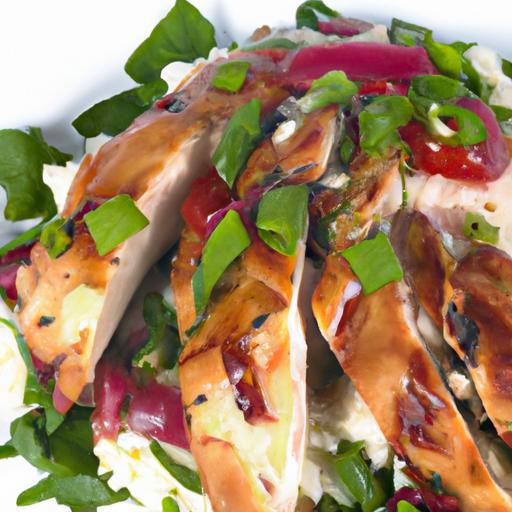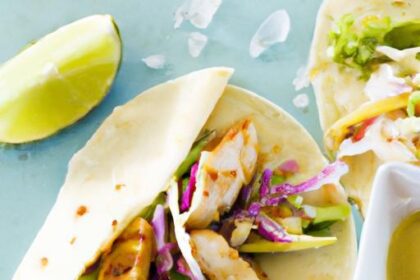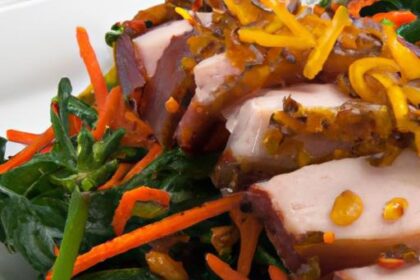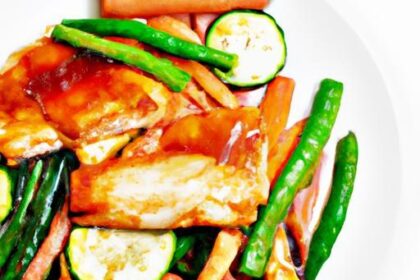


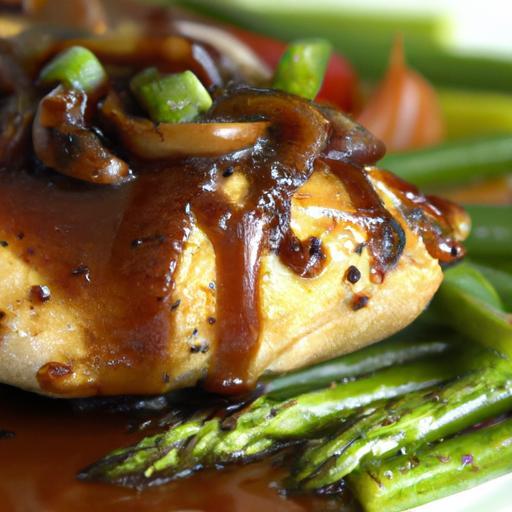

There’s something undeniably magical about the perfect balance of sweet and tangy flavors dancing on your palate-an experience that elevates even the simplest dish to extraordinary heights.Enter balsamic glazed chicken: a culinary masterpiece where succulent, tender chicken meets the rich, deeply nuanced allure of balsamic vinegar, caramelized to glossy perfection. Whether you’re a seasoned cook seeking to refine your glaze technique or a curious food lover eager to bring bold new tastes to your table, mastering this dish promises a symphony of flavors that’s as rewarding to create as it is to savor. Join us as we explore the art and science behind crafting the ultimate balsamic glazed chicken,unlocking tips,tricks,and inspiration for your next savory adventure.
Sweet & Tangy Bliss: Mastering Balsamic Glazed Chicken begins with understanding the delicate dance between sweet and tangy flavors that define this iconic dish. The secret lies in crafting a glaze that brightens the chicken’s savory richness without overpowering it-a culinary harmony that tantalizes the palate with every bite.
understanding the perfect balance of Sweet and Tangy Flavors
Achieving that ideal balance involves combining the natural sweetness of honey or brown sugar with the sharp acidity of high-quality balsamic vinegar.The sweetness tempers the vinegar’s bite while the tang accentuates the chicken’s savoriness, creating layers of flavor that evolve as the glaze caramelizes. This synergy elevates a simple chicken dish into something exceptionally indulgent.
Choosing the Right Balsamic Vinegar for a Richer Glaze
Not all balsamic vinegars are created equal. For the richest, most lustrous glaze, opt for aged balsamic vinegar-preferably a 5 or 12-year-old varietal from Modena. Its complex deep notes and syrupy texture reduce beautifully without becoming bitter. Avoid inexpensive, thin balsamics which can yield a harsh glaze. Consider pairing with a splash of quality Aceto Balsamico Tradizionale for an elevated finish that dazzles both visually and in taste.
step by step Guide to Achieving a luxuriously Sticky Chicken Coating
- Prepare the chicken: Pat 4 boneless, skinless chicken thighs dry with paper towels to ensure the glaze adheres beautifully.
- Season and sear: Generously season with salt and pepper, then sear in a hot skillet with 2 tablespoons olive oil until golden brown, about 4 minutes per side. This caramelization builds depth for the glaze to cling to.
- Make the glaze: In a small bowl, whisk together ½ cup aged balsamic vinegar, 2 tablespoons honey, and 1 teaspoon Dijon mustard. This mixture strikes the perfect sweet & tangy note.
- Simmer the glaze: Pour the mixture into the skillet with the chicken, lowering the heat. Continuously spoon the glaze over the thighs as it thickens-this technique layers sticky, glossy coating over the chicken, locking in flavor and moisture.
- Finish cooking: Cook until the glaze reduces to a syrupy consistency that clings to each piece and the chicken reaches an internal temperature of 165°F (74°C), about 5 more minutes.
- Rest before serving: Let the chicken rest 5 minutes in the pan off heat to allow the glaze to set, ensuring a luxuriously luscious bite.
expert Tips for pairing Balsamic glazed Chicken with Complementary Sides
The sweet & tangy richness of this chicken calls for sides that balance and contrast its character. Light, steamed vegetables like asparagus or green beans provide crisp freshness, while creamy mashed potatoes or a buttery polenta ground the dish with comforting textures.For a burst of color and acidity,garnish with fresh basil leaves and a sprinkle of toasted pine nuts. To add an additional layer of zing, a citrus-based salad or pickled veggies can be delightful accompaniments.
prep and Cook Time
- prep Time: 10 minutes
- Cook Time: 20 minutes
- Total Time: 30 minutes
Yield
- Serves 4
difficulty Level
- Easy to Medium – Perfect for home cooks wanting to impress without fuss
Ingredients
- 4 boneless, skinless chicken thighs, patted dry
- 2 tablespoons olive oil
- ½ cup aged balsamic vinegar (5 or 12-year-aged recommended)
- 2 tablespoons honey
- 1 teaspoon Dijon mustard
- Salt and freshly ground black pepper, to taste
- fresh basil leaves and toasted pine nuts for garnish (optional)
Instructions
- Season the chicken thighs on both sides with salt and pepper.
- Heat olive oil in a large skillet over medium-high heat until shimmering.
- Add chicken thighs and sear for 4 minutes per side, until beautifully golden and easily releases from the pan.
- Reduce heat to medium-low. Mix balsamic vinegar, honey, and Dijon mustard in a small bowl.
- Pour the glaze mixture into the skillet, spooning over the chicken continuously as it thickens.
- Simmer gently for 5 minutes, or until glaze is sticky and the chicken is fully cooked (internal temp 165°F/74°C).
- Remove skillet from heat and let chicken rest for 5 minutes in the glaze to absorb flavor depth.
- Plate the chicken, drizzling remaining glaze over the top. Garnish with fresh basil and toasted pine nuts.
Chef’s Notes
- For a lighter glaze,swap honey with pure maple syrup,which adds subtle woodsy sweetness.
- If you prefer a hint of heat, a pinch of chili flakes folded into the balsamic mixture can add warmth without stealing the spotlight.
- Make-ahead tip: Prepare the glaze in advance and store in an airtight container for up to 3 days; reheat gently before glazing the chicken.
- For crispy skin, use bone-in chicken thighs and dry skin thoroughly before searing.
Serving Suggestions
Serve atop a bed of creamy polenta or alongside roasted baby potatoes tossed in rosemary and garlic. Brighten the plate with charred asparagus spears or a fresh arugula salad dressed lightly with lemon juice. A glass of medium-bodied Pinot Noir pairs elegantly to enhance the sweet & tangy bliss of this dish.

| Nutrient | Per Serving |
|---|---|
| Calories | 320 kcal |
| protein | 34 g |
| Carbohydrates | 8 g |
| Fat | 15 g |
For additional inspiration on elevating dinner, explore our Mediterranean Roasted Vegetable Salad, a vibrant side that pairs beautifully with sweet & tangy chicken.
Q&A
Q&A: Sweet & Tangy Bliss – Mastering Balsamic Glazed Chicken
Q1: What makes balsamic glazed chicken such a crowd-pleaser?
A1: Balsamic glazed chicken strikes the perfect balance of sweet and tangy, wrapping juicy, tender chicken in a luscious, syrupy coating. The glaze’s deep, complex flavors elevate a simple protein into a culinary masterpiece that’s both comforting and refined.
Q2: How do you achieve that irresistible glossy glaze?
A2: The magic lies in reducing quality balsamic vinegar with a touch of honey or brown sugar until it thickens into a rich syrup. This reduction is then brushed onto chicken during the final minutes of cooking, creating a glossy, caramelized finish that clings beautifully.
Q3: Can I use any balsamic vinegar or does the type matter?
A3: Opt for traditional or aged balsamic vinegar if possible-it offers the richest, most nuanced flavor. Cheap commercial balsamic is often too vinegary or watery and won’t provide the depth or sweetness needed for a perfect glaze.
Q4: What’s the best chicken cut for this recipe?
A4: Boneless,skin-on chicken thighs are ideal since thay stay juicy and tender under high heat,and the skin crisps nicely. However, chicken breasts can work if you’re careful not to overcook them and adjust cooking times accordingly.
Q5: How do you prevent the glaze from burning?
A5: Since the glaze contains sugars, it can burn quickly if exposed to high direct heat for too long. Reduce heat when applying the glaze, and keep a close eye-apply it in the last 5 minutes of cooking, turning the chicken gently to coat evenly without charring.
Q6: What complementary sides pair best with balsamic glazed chicken?
A6: Think fresh and vibrant to contrast the rich glaze-roasted vegetables like asparagus or brussels sprouts, creamy mashed potatoes, or even a light arugula salad with shaved Parmesan make perfect partners.
Q7: Can this recipe be adapted for a weeknight dinner?
A7: Absolutely! The glaze comes together in minutes, and using quick-cooking cuts like chicken breasts can have dinner on the table in under 30 minutes. Prep the glaze ahead, and you’ve got a foolproof, elegant dish ready to impress without fuss.Q8: Any tips for adding a creative twist?
A8: Try infusing your glaze with fresh herbs like rosemary or thyme, or add a splash of orange juice or Dijon mustard to layer in complexity. For a smoky touch, finish with a sprinkle of smoked paprika or char the chicken briefly under the broiler.
Mastering balsamic glazed chicken means unlocking a world where sweet and tangy flavors dance atop tender meat – a blissful harmony that’s surprisingly easy to achieve yet endlessly rewarding to savor!
The Conclusion
As the final drizzle of that luscious balsamic glaze coats each tender bite, you’re left savoring a harmonious dance of sweet and tangy notes that elevate simple chicken into a culinary masterpiece. Mastering this glaze not only transforms your dinner plate but also invites you to explore the endless possibilities of balancing flavors in your kitchen. Whether served over a bed of fresh greens or alongside roasted vegetables, balsamic glazed chicken promises a blissful experience-one where every mouthful tells a story of passion, precision, and a touch of delicious indulgence.So go ahead, embrace the art of the glaze, and let your taste buds revel in this unforgettable symphony of flavor.