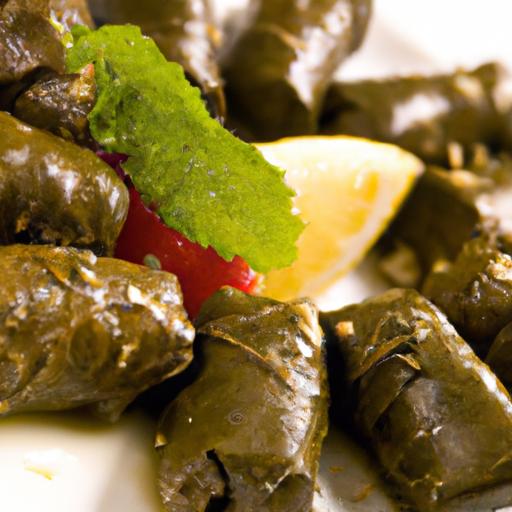


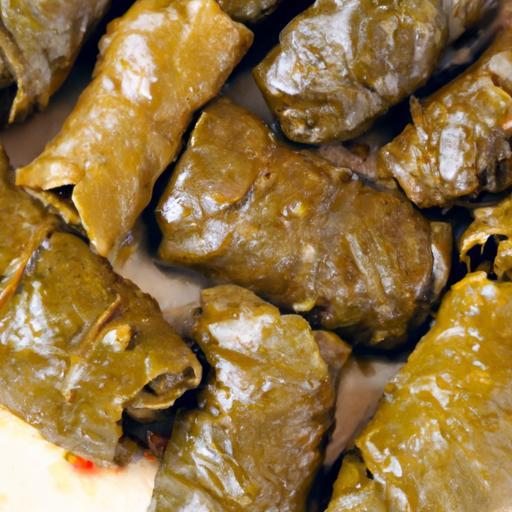

Nestled within the vibrant tapestry of Greek cuisine lies a timeless delicacy that captures the essence of Mediterranean flavors and traditions: dolmades. These tender vine leaves,lovingly stuffed with a fragrant blend of rice,herbs,and sometimes meat,are more then just a dish-they are a culinary story passed down through generations,embodying the warmth of home and the spirit of festivity. In “Dolmades Delight: Unveiling Greece’s Classic Stuffed Vine Leaves,” we embark on a savory journey to explore the origins, readiness, and cultural importance of this beloved treat. Join us as we unravel the secrets wrapped within each leaf and discover why dolmades continue to delight palates around the world.
The Heritage and History Behind Dolmades Delight
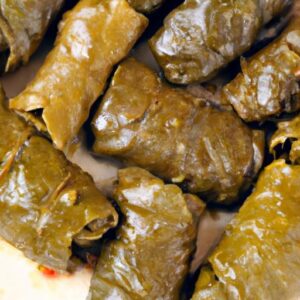
Dolmades Delight, a quintessential Greek classic, invites you to step into a rich tapestry of Mediterranean culinary history. These beautifully stuffed vine leaves have graced tables across Greece and the broader Eastern Mediterranean for centuries, symbolizing hospitality and tradition. Inspired by recipes handed down through generations, Dolmades Delight captures the essence of home-cooked warmth and regional pride in every tender parcel. Whether enjoyed as part of a mezze spread or a satisfying main dish, they embody the art of simple ingredients elevated by patience and love.
Prep and Cook Time
- Preparation Time: 30 minutes
- Cooking Time: 50 minutes
Yield
Approximately 30 perfectly stuffed vine leaves (serves 6 as an appetizer or light main course)
Difficulty Level
Medium – Requires some precision in rolling and timing, but rewarding for all skill levels.
Ingredients
- 50 fresh vine leaves (blanched and drained)
- 1 ½ cups long-grain rice, rinsed
- 1 large onion, finely chopped
- 1/2 cup olive oil, plus extra for drizzling
- 1 cup fresh dill, chopped
- 1 cup fresh parsley, chopped
- 1/2 cup fresh mint leaves, chopped
- Juice of 2 lemons
- 2 cups vegetable or chicken broth (ensure no pork-based)
- Salt and freshly ground black pepper, to taste
- 2 cloves garlic, minced
Instructions
- Prepare the filling: In a large skillet over medium heat, warm 1/4 cup olive oil and sauté the chopped onion untill soft and translucent, about 5 minutes.Add minced garlic and cook for another minute, taking care not to brown.
- Add rice and herbs: Stir in the rinsed rice, fresh dill, parsley, and mint.Sauté together for 3-4 minutes until the rice looks glossy and well-coated with oil.
- Simmer the filling: Pour in 1 cup vegetable broth and half the lemon juice. Season with salt and pepper. Reduce heat to low and cover, cooking until the rice absorbs most of the liquid but remains slightly undercooked, about 10 minutes. Remove from heat and let the filling cool.
- Prepare the vine leaves: Blanch fresh vine leaves in boiling salted water for 2 minutes, then drain and pat dry.Trim any hard stems.
- Roll the dolmades: Lay one vine leaf shiny side down on a flat surface. Place a teaspoon of filling near the stem end, fold in the sides, and roll tightly towards the tip, forming a neat cylinder about 2 inches long. Repeat until all filling and leaves are used.
- Arrange in pot: Line the bottom of a heavy pot with a few unfilled vine leaves to prevent sticking. Place dolmades seam-side down in tight layers.
- Cook the dolmades: Mix remaining broth, lemon juice, and olive oil, and pour gently over the stuffed leaves until just covered. Place a heatproof plate on top to keep them submerged. Cover the pot with a lid,bring to a simmer,then reduce heat to low and cook for 40 minutes until tender and infused.
- Rest before serving: Let the dolmades cool in the pot for 15 minutes to set the flavors beautifully.
Chef’s Tips for Success with Dolmades Delight
- When rolling,avoid overfilling to prevent the leaves from tearing. A gentle, tight roll keeps the dolmades intact during cooking.
- Use fresh herbs generously-they impart brightness that balances the richness of the olive oil and rice.
- For a vegan version, substitute chicken broth with high-quality vegetable broth to maintain deep flavor.
- Make ahead by preparing dolmades up to 24 hours prior, storing them covered in the fridge, then reheating gently in broth before serving.
- If fresh vine leaves aren’t available, jars of preserved vine leaves can suffice but rinse thoroughly to remove excess brine.
Serving Suggestions for Dolmades Delight
Present these luscious parcels atop a rustic wooden board or a bright ceramic dish. Drizzle with extra virgin olive oil and an additional squeeze of fresh lemon right before serving to awaken the flavors. Garnish with sprigs of dill and a scattering of pomegranate seeds for a jewel-like sparkle and subtle tartness. Pair Dolmades Delight alongside creamy tzatziki or a garlic-lemon yogurt dip, and fresh crusty bread to mop the juices.
For a complementary beverage, try a chilled glass of Assyrtiko wine or a refreshing cucumber-mint lemonade to cleanse the palate between bites. These combinations highlight the herbal essence and delicate textures, transforming an elegant snack into a memorable feast.

| Nutritional Info (per serving) | Calories | Protein | Carbs | Fat |
|---|---|---|---|---|
| Dolmades Delight (5 pieces) | 180 | 4g | 30g | 5g |
Discover more Mediterranean classics in our Mediterranean Meze recipes collection. For deeper insights into the history and cultural significance of vine leaf dishes, visit Britannica’s article on Dolmades.
Q&A
Q&A: Dolmades Delight – Unveiling Greece’s classic Stuffed Vine Leaves
Q1: What exactly are dolmades?
A1: Dolmades are a beloved greek dish consisting of vine leaves lovingly stuffed with a savory mixture,traditionally featuring rice,fresh herbs,and sometimes vegetables or legumes. They encapsulate a perfect harmony of flavors wrapped in tender, slightly tangy leaves, making them a quintessential taste of Greece’s rich culinary heritage.
Q2: Where did dolmades originate?
A2: While stuffed vine leaves have roots across the Mediterranean and Middle East, the Greek dolmades have a distinct identity shaped by local ingredients and traditions. the dish has been part of Greek cuisine for centuries, symbolizing an enduring connection to the land and its bounty.
Q3: What are the traditional ingredients used in Greek dolmades?
A3: The classic filling is a fragrant blend of long-grain rice, fresh dill, mint, parsley, and onions, all gently seasoned with salt, pepper, and occasionally a splash of lemon juice or olive oil. The stuffing is then enveloped in young, tender vine leaves, which provide a subtle tartness that balances the savory filling.
Q4: Are dolmades always served warm?
A4: Not necessarily! Dolmades can be served either warm or chilled. Warm dolmades are often accompanied by a lemony avgolemono (egg-lemon) sauce,while chilled versions make for a refreshing appetizer or meze,especially beloved during warm weather.Q5: Can dolmades be vegetarian or vegan?
A5: Absolutely. The classic dolmades are inherently vegetarian and often vegan, using no meat or dairy. Their vibrant herbs and tender rice filling are a testament to how simple, plant-based ingredients can create a dish bursting with flavor and texture.Q6: How are dolmades typically prepared?
A6: Preparing dolmades is an art of patience and care. The vine leaves are first blanched to soften them, then filled with a modest portion of the rice-herb mixture, rolled tightly like little bundles. These are then layered closely in a pot, gently simmered with water, olive oil, and lemon juice until tender and infused with citrusy brightness.
Q7: What role do vine leaves play beyond flavor?
A7: Vine leaves aren’t just edible wrappers; they impart a unique subtle acidity and slight bitterness that perfectly complements the mild stuffing. Their textured surface also holds the filling firmly, making dolmades both visually appealing and satisfying to bite into.
Q8: Are there any regional variations of dolmades within Greece?
A8: Yes! Different regions add their local twist-some incorporate pine nuts or currants for a hint of sweetness, others may add tender lamb or chickpeas for heartiness. Still, the core essence remains: a tender parcel of vine leaves embracing a fragrant, comforting filling.
Q9: How do dolmades fit into Greek culture and celebrations?
A9: Dolmades are more than just food-they are a symbol of hospitality and tradition. Often prepared during family gatherings, religious holidays, or festive occasions, they bring people together to share not only a meal but also stories and memories steeped in Greek heritage.Q10: What tips can definitely help a beginner make perfect dolmades at home?
A10: start with fresh or properly preserved vine leaves and rinse them well to remove excess brine. Use a gentle hand when rolling to keep the stuffing inside but avoid overpacking. Cooking dolmades slowly with enough liquid ensures tenderness. And don’t forget that generous squeeze of lemon-it’s the final flourish that ties everything together beautifully.
Enjoy embarking on yoru dolmades adventure, savoring Greece’s classic stuffed vine leaves, a dish that captures sunshine, tradition, and the art of simple yet profound cooking.
Key Takeaways
As we fold the final grape leaf over a savory mound of fragrant rice and herbs, the story of dolmades comes full circle-each bite a timeless whisper of Greece’s rich culinary heritage. More than just a dish, dolmades embody the harmony between nature’s bounty and cultural craft, inviting us to savor both tradition and taste. Whether enjoyed in the sun-dappled courtyards of the Aegean or recreated in your own kitchen, these stuffed vine leaves remain a delicious testament to Greece’s enduring love affair with flavor and family. So next time you unwrap a dolma, remember: you’re not just tasting food-you’re unwrapping a story centuries in the making.