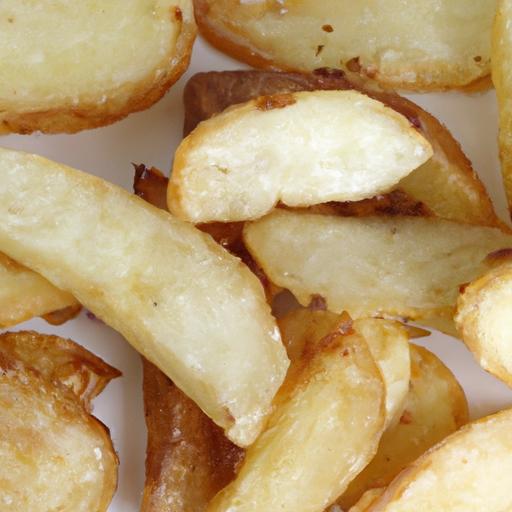


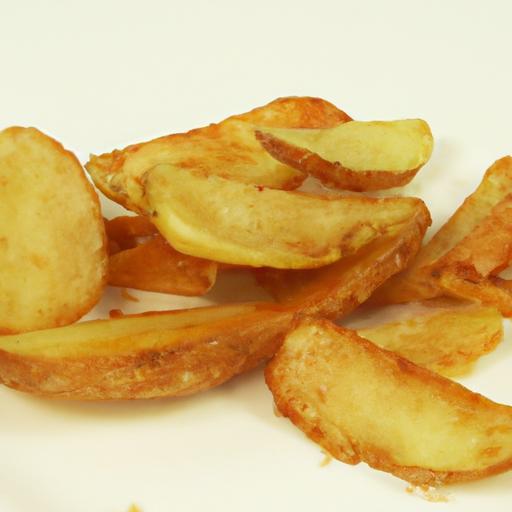

There’s something undeniably magical about teh perfect bite of a golden, crispy fried potato-whether it’s a humble French fry, a delicate potato chip, or a rustic wedge. These simple slices of tuberous delight transform under the kiss of hot oil into a symphony of textures and flavors that captivate our senses. But beyond the mouthwatering appeal lies a fascinating blend of science and artistry. From the Maillard reaction that creates that signature golden hue to the careful balance of moisture and heat,the journey of the humble potato from raw root to irresistible crispy masterpiece is a tale worth exploring. In this article, we’ll peel back the layers on the chemical alchemy and culinary techniques that make fried potatoes a universally beloved phenomenon.
Golden Crisps: The Science and Art of Fried Potatoes
Golden crisps are more than just a comfort food-they’re a festivity of culinary science and artisanal technique fused to create the perfect potato experience. From the very first crunch to the delicate golden sheen, achieving those irresistible fried potatoes involves a thoughtful approach to variety selection, frying mastery, and an understanding of the chemistry that orchestrates texture and flavor. Drawing from classic traditions and contemporary insights, this guide embraces every step to help you craft potatoes that are stunningly crisp on the outside and tender inside.
Prep and Cook Time
- Preparation: 20 minutes
- Cooking: 15 minutes
- Total Time: 35 minutes
Yield
Serves 4 hungry crisp-lovers
Difficulty Level
Medium – precise timing and technique ensure peak crispiness
ingredients
- 1 lb Russet potatoes (peeled or scrubbed clean)
- 4 cups cold water
- 2 tbsp white vinegar
- Vegetable oil (for frying,about 4 cups)
- 1 tsp sea salt (or to taste)
- Freshly ground black pepper (optional)
Instructions
- Choose the perfect potato variety. Russets are prized for their high starch and low moisture content, essential for that hallmark golden crispness. Avoid waxy varieties like red potatoes for frying as they retain too much moisture and create soggy textures.
- Slice the potatoes evenly. Cut into ½-inch thick sticks to ensure uniform cooking and consistent crispiness. Uniformity prevents smaller pieces from burning while larger ones remain undercooked.
- Soak in cold water with vinegar. Submerge sliced potatoes in 4 cups cold water and 2 tbsp white vinegar for 30 minutes. This step leaches out excess surface starch, critical for preventing sticking and promoting a perfect crust.
- Drain and pat dry thoroughly. Use clean kitchen towels or paper towels to remove as much moisture as possible. Wet potatoes will cause oil splatter and inhibit crisp texture.
- heat the oil. Pour vegetable oil into a heavy-bottomed pot or deep fryer and heat to precisely 325°F (160°C) for the first fry. Use a candy or deep-fry thermometer for accuracy.
- First fry – blanch the potatoes. Fry potatoes in batches for 4-5 minutes until softened but not browned. This step cooks the interior fully without developing crust, creating a tender inside.
- Drain and cool. remove the potatoes from oil with a slotted spoon and drain on paper towels. Let them rest for 10 minutes to cool; this resting phase allows moisture to redistribute evenly inside.
- Increase oil temperature. Raise heat to 375°F (190°C) for the second fry; this higher temperature achieves that tantalizing golden crunch.
- Second fry – crisp to perfection. Return potatoes to hot oil in batches, frying 2-3 minutes until deeply golden and crunchy. Stir gently for even browning.
- Drain, season, and serve. Immediately drain on fresh paper towels and sprinkle with sea salt while the fries are still hot. Add freshly ground black pepper if desired.
Chef’s notes: Tips for Success
- Double frying is the golden rule-this two-step process creates an extraordinary contrast between the fluffy interior and the crisp shell.
- Maintain oil temperature consistently during frying for uniform cooking. Too low and potatoes absorb oil; too high and they burn.
- Use a thermometer to monitor temperature accurately. Visual cues alone can mislead and compromise results.
- Don’t overcrowd the fryer; give each piece room to cook evenly and for oil to circulate properly.
- For an extra flavor boost, toss fries with a sprinkle of smoked paprika, garlic powder, or fresh herbs like rosemary post-fry.
- You can prepare potatoes ahead to the blanch stage, refrigerate them covered for up to 12 hours, then finish frying fresh.
- Experiment with dipping sauces such as truffle aioli, classic ketchup, or spicy harissa mayo to elevate your fried potato experience.
Serving Suggestions
Present your golden crisps in a rustic basket lined with parchment paper or on a sleek platter for a more refined approach. Garnish with finely chopped chives or parsley to add a vibrant pop of color. Complement with sides like gourmet burgers, grilled seafood, or crispy fried chicken for a truly indulgent feast. A light sprinkle of flaky sea salt and a wedge of fresh lemon can awaken the flavors beautifully just before serving.

| Nutrient | Per Serving |
|---|---|
| Calories | 220 kcal |
| Protein | 3 g |
| Carbohydrates | 35 g |
| fat | 8 g |
For further insights into the science of cooking potatoes and enhancing texture, check our related guide on Crispy Crinkle-Cut Fries at Home. To dive deeper into the starch chemistry behind perfect fries, visit the comprehensive science resource at ScienceDaily.
Q&A
Q&A: Golden crisps – The Science and Art of Fried Potatoes
Q1: What makes a potato crisp golden and perfectly crunchy?
A1: The secret lies in the Maillard reaction-a chemical dance between amino acids and reducing sugars that browns the potato’s surface, creating that irresistible golden hue and deep flavor. The right temperature and moisture content coax this reaction to perfection,turning humble potatoes into crispy masterpieces.
Q2: why is choosing the right potato variety so critically importent for frying?
A2: Not all potatoes are created equal! Starchy varieties like Russets or Idaho potatoes have a high starch-to-water ratio, which results in a fluffy interior and crisp exterior when fried. Waxy potatoes, by contrast, tend to stay firm and don’t crisp up as well, making them better suited for boiling or roasting.
Q3: How does soaking potato slices impact their final texture?
A3: Soaking slices in cold water removes excess surface starch, preventing them from sticking together and promoting a crisper finish. It also helps regulate moisture, which reduces splattering and encourages even browning when frying.
Q4: why is double frying a popular technique among chefs?
A4: Double frying masterfully balances textures: the first fry cooks the potato through at a lower temperature,while the second,hotter fry crisps up the exterior beautifully. This method ensures a tender inside wrapped in a satisfyingly crunchy shell.
Q5: Is oil choice critically important in achieving the perfect golden crisp?
A5: Absolutely! Oils with high smoke points, such as sunflower, canola, or peanut oil, enable frying at the high temperatures necessary for crispiness without breaking down or imparting off-flavors.Fresh oil also ensures a clean taste that lets the potato’s natural flavors shine.
Q6: What role does seasoning play in elevating fried potatoes?
A6: Seasoning is the final brushstroke on a culinary canvas. Classic salt enhances natural flavors, but layering spices like smoked paprika, garlic powder, or fresh herbs can amplify complexity and excitement-turning simple potatoes into unforgettable bites.
Q7: Can frying techniques be adapted for healthier versions without sacrificing texture?
A7: While customary deep frying delivers unbeatable crispiness,techniques like air frying can mimic this effect with less oil,maintaining much of the crunch. Parboiling and baking with a light oil mist can also approach golden textures, marrying deliciousness with a lighter footprint.
Q8: How does temperature control influence the frying process?
A8: Temperature is king. Too low, and potatoes absorb excess oil, becoming soggy; too high, and the exterior burns before the inside is cooked. Maintaining oil around 175-190°C (347-374°F) strikes the balance needed for perfect golden crisps every time.
Insights and Conclusions
As the final sizzle settles and the aroma of golden crisps lingers in the air, we are reminded that fried potatoes are far more than a simple snack-they are a harmonious blend of science and artistry. From the precise chemistry that creates the perfect crunch to the intuitive touch that transforms humble spuds into culinary treasures,every golden crisp tells a story of texture,flavor,and tradition. So next time you savor those crispy edges and tender centers,take a moment to appreciate the fascinating dance of heat,starch,and technique that turns ordinary potatoes into extraordinary bites. In the world of fried delights, golden crisps truly reign supreme-a testament to how science and creativity can unite on a plate.