

Beneath the delicate folds of tender leaves lies a culinary treasure rich in history, culture, and vibrant flavors. Dolmas-those meticulously stuffed parcels of vine, grape, or cabbage leaves-invite us on a sensory journey that spans continents and centuries. From bustling Mediterranean markets to cozy family kitchens, these handheld bundles encapsulate a harmonious blend of spices, rice, vegetables, and sometiems meats, all wrapped in a story waiting to be unraveled. In this exploration, we unwrap the layers behind dolmas, uncovering their origins, regional variations, and the savory secrets that make each bite a celebration of tradition and taste. Join us as we dive into the flavorful world of stuffed leaves, where every dolma is a flavorful story waiting to be told.
Dolmas Unwrapped: Exploring the flavorful world of stuffed leaves is not only a culinary journey but a dive into a rich cultural heritage that spans centuries and continents. These delicate parcels-rice, herbs, and sometimes meats lovingly encased in vine or other edible leaves-tell stories of tradition, family gatherings, and the artful balance of texture and taste. My first encounter with dolmas was during a vibrant Mediterranean feast, where each bite revealed layers of history and harmony, inspiring me to master their delicate wrapping and celebrate their diverse flavors.
Prep and Cook Time
- Planning: 45 minutes
- Cooking: 1 hour
- total Time: 1 hour 45 minutes
Yield
Serves 6 to 8 guests
Difficulty Level
Medium – requires patience and a gentle hand for wrapping
Ingredients
- 1 jar (about 16 oz) grape leaves, rinsed and blanched
- 2 cups long-grain rice, rinsed
- 1 large onion, finely chopped
- 3 cloves garlic, minced
- 1 cup fresh parsley, finely chopped
- 1/2 cup fresh dill, finely chopped
- 1/2 cup fresh mint leaves, finely chopped
- 1/2 cup olive oil, plus extra for drizzling
- 1/4 cup freshly squeezed lemon juice, plus wedges for serving
- 1 teaspoon ground allspice
- 1 teaspoon ground cinnamon
- Salt and pepper, to taste
- 2 cups vegetable broth or water
Instructions
- Prepare the Filling: In a large skillet, heat 1/4 cup olive oil over medium heat. Add the finely chopped onion and sauté until translucent, about 5 minutes. Stir in garlic and cook for another minute until fragrant.
- Add the Rice: Pour in the rinsed rice, allspice, cinnamon, salt, and pepper. Stir to coat the rice grains evenly in the aromatic spices and oil.
- Simmer the Filling: Add 1 cup of vegetable broth and lemon juice. Reduce heat to low, cover, and let the mixture simmer gently for about 15 minutes, until rice is half-cooked and liquid mostly absorbed.Remove from heat and stir in fresh parsley, dill, and mint. Allow filling to cool to room temperature.
- Prepare the Grape Leaves: Lay each leaf flat, vein side up. Trim any thick stems. Keep leaves moist while working to maintain pliability.
- Assemble the Dolmas: Place about 1 tablespoon of filling near the base of each leaf. Fold the sides over, then roll tightly from the base up to form neat cylinders about 2 inches long. Don’t overfill-allow room for rice expansion during cooking.
- Layer the Dolmas: In a heavy-bottomed pot, line the base with extra grape leaves to prevent sticking. Arrange the dolmas seam side down in tight concentric circles,stacking gently.
- Add Liquid and Cook: Drizzle the remaining 1/4 cup olive oil over the dolmas. Add enough vegetable broth to cover them halfway. Place a heatproof plate on top to keep rolls submerged.
- Simmer Gently: Cover with a lid and simmer on low heat for 40-50 minutes, until leaves are tender and rice is fully cooked.
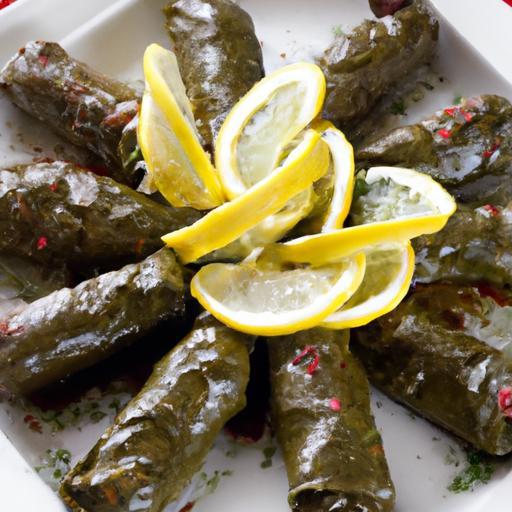
- Cool and Serve: Let dolmas cool to room temperature in the pot before carefully transferring to a platter. Garnish with fresh lemon wedges and a sprinkle of chopped herbs.
Tips for Success With Dolmas Unwrapped
- Leaf Prep: Always ensure grape leaves are tender and pliable. If using jarred leaves, rinse well to remove brine and soak briefly in warm water to soften.
- Filling Consistency: The filling should be moist but not watery. par-cooking the rice ensures it finishes perfectly tender when steamed inside the leaves.
- Wrapping Technique: Place filling as close to the base as possible, fold tightly but gently to avoid tearing leaves. Practice on a few leaves before the full batch.
- Make-Ahead Tips: Dolmas taste even better after resting for several hours or overnight in the refrigerator, allowing flavors to meld beautifully. Serve chilled or at room temperature.
- Variations: Vegan versions omit any meat and focus on herbs and lemon. Some regions add pine nuts or raisins to the filling for texture and sweetness.
Serving Suggestions
Present your dolmas on a rustic platter lined with fresh herbs like parsley and dill. A drizzle of extra virgin olive oil or a dollop of tangy tzatziki beautifully enhances their flavors.Pair with crisp, refreshing salads-think cucumber and tomato with lemon and olive oil-and serve alongside warm pita bread or roasted vegetables for a complete Mediterranean-inspired feast.
| Nutritional Information (per dolma) |
Calories | Protein | Carbs | Fat |
|---|---|---|---|---|
| Average | 110 | 3 g | 20 g | 4.5 g |
Exploring Regional Variations and Unique Flavor profiles
The beauty of dolmas lies in their remarkable adaptability. From the citrus-infused dolmas of Greece to the richly spiced versions found in Lebanon and Turkey, ingredients and techniques reflect the terroir and history of each region. Some variations incorporate lamb or beef,while others shine purely with rice,herbs,and nuts. Experiment with smoked paprika, cumin, or pomegranate molasses to create your own signature profile that honors tradition while adding a modern twist.
Tips for Pairing dolmas with Wines and Side Dishes
Given their bright,herbaceous notes and lemony tang,dolmas pair beautifully with crisp white wines such as Assyrtiko or Sauvignon blanc,which complement their acidity without overpowering delicate flavors. For a non-alcoholic option, sparkling water with a splash of fresh lemon elevates the dining experience.Accompany dolmas with side dishes rich in texture contrasts-creamy hummus, roasted eggplant dip (baba ganoush), or freshly made tabbouleh-to create a harmonious and vibrant meal.

For more on Mediterranean appetizers and dishes, explore our Mediterranean Meze Essentials article. Learn more about the history of dolmas and regional recipes at Encyclopedia britannica.
Q&A
Q&A: Dolmas Unwrapped – Exploring the Flavorful World of Stuffed Leaves
Q1: What exactly are dolmas?
A1: Dolmas are a beloved culinary tradition found throughout the mediterranean, Middle East, and beyond.Simply put, they are tender leaves-often grape, cabbage, or chard-carefully stuffed with a savory filling that can range from fragrant rice and fresh herbs to rich vegetables and nuts. Each bite is a harmonious balance of textures and flavors, wrapped in nature’s edible green packaging.
Q2: Where do dolmas originate from?
A2: The history of dolmas winds through the ancient civilizations bordering the Mediterranean and Middle East. While pinpointing a singular origin can be tricky, these stuffed leaves have been a cherished dish for centuries in countries like Greece, Turkey, Lebanon, and Armenia. Each culture brings its unique twist, revealing dolmas as a vibrant tapestry woven from regional herbs, spices, and customs.
Q3: what types of leaves are commonly used for dolmas?
A3: Grape leaves reign supreme in many traditional dolmas, prized for their tender texture and slightly tart flavor that complements the filling perfectly. Cabbage leaves are also popular, especially in colder climates and during winter months, offering a heartier wrap with a mild sweetness. Swiss chard and beet greens are creative alternatives that bring color and diversity to the dolma family.Q4: What goes inside a typical dolma?
A4: the filling is where creativity and culture shine. Classic vegetarian dolmas frequently feature rice infused with onions, garlic, dill, mint, parsley, and sometimes pine nuts or currants for bursts of texture and sweetness. Some variations include lentils or bulgur for added depth. Meat-filled dolmas are also traditional in many regions, often featuring lamb or beef blended with spices and herbs, but vegetarian versions have equally rich flavor profiles.
Q5: How are dolmas typically cooked?
A5: After stuffing, the leaves are carefully rolled or folded into neat parcels and placed snugly in a pot to maintain their shape during cooking. They are frequently enough simmered gently over low heat with lemon juice, olive oil, and sometimes a light tomato broth, allowing the flavors to meld and the filling to cook through without losing moisture. The slow cooking process softens the leaves and enriches the dish with a delightful tangy aroma.
Q6: Are dolmas served hot or cold?
A6: Dolmas can be enjoyed both ways, depending on the tradition and filling. Vegetarian dolmas are frequently served chilled or at room temperature, making them a refreshing appetizer or part of a meze platter. Meat-filled versions tend to be warm, offering a comforting and hearty main course. Lemon wedges or a drizzle of olive oil often accompany dolmas to enhance their bright and savory notes.
Q7: What makes dolmas such a beloved dish across cultures?
A7: Dolmas embody the spirit of home cooking and hospitality. Their versatility allows for endless adaptation, using local ingredients and seasonal produce, which means every dolma tells a story of place and tradition.They invite creativity but also connect generations through shared techniques and family recipes. As finger food or a centerpiece, dolmas bring people to the table, celebrating both simplicity and sophistication in every layered bite.
Q8: Can dolmas be part of a modern, plant-based diet?
A8: Absolutely! Vegetarian and vegan dolmas showcase the amazing depth of flavor that herbs, spices, grains, and nuts can achieve together. They’re a nutrient-rich, satisfying option that aligns perfectly with plant-based lifestyles. Plus, the natural wrapping by leaves adds a rustic elegance that makes dolmas as visually inviting as they are delicious.
Q9: What should one keep in mind when making dolmas at home?
A9: Patience and precision are the key spices in dolma-making. Selecting fresh, pliable leaves will make rolling easier and prevent tearing. The filling should be flavorful but not overly wet, to keep the dolmas intact during cooking. Don’t rush the pot simmering stage-slow and gentle heat is essential to developing balanced textures and melding the vibrant flavors.
Q10: How can someone adventurous experiment with dolma recipes?
A10: Let your pantry and seasons guide you! Try incorporating ancient grains like quinoa or freekeh, adding bursts of citrus zest or roasted vegetables, or experimenting with herbs native to your region. Consider different leaf varieties available locally-like collard or kale-for a bold twist.Dolmas are a culinary canvas inviting innovation while honoring timeless tradition.
In Conclusion
As we peel back the layers of dolmas, each leaf-wrapped parcel reveals more than just a delicious bite-it tells a story of tradition, culture, and culinary artistry passed down through generations. Whether filled with fragrant herbs, tangy spices, or hearty grains, dolmas invite us to savor history in every mouthful. So next time you unwrap one of these flavorful treasures, remember you’re not just enjoying a dish-you’re partaking in a timeless celebration of flavor, creativity, and connection that spans continents and cultures alike. Dive in, explore, and let the world of stuffed leaves unfold before your taste buds.