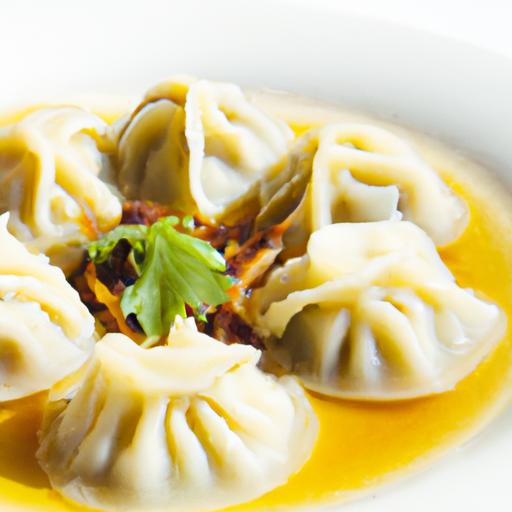
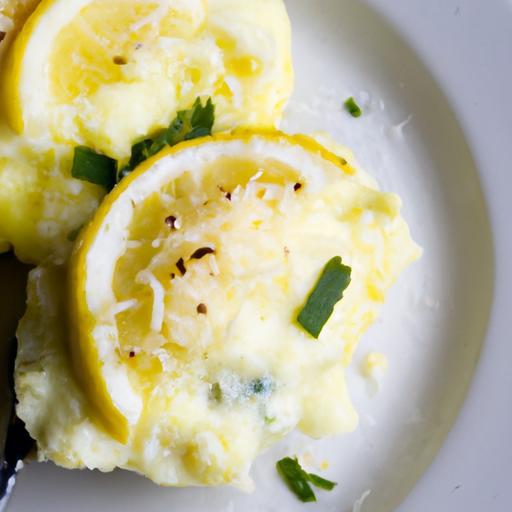

From the bustling street markets of Shanghai to the cozy kitchens of Eastern Europe, dumplings have woven themselves into the culinary tapestries of cultures around the world. These humble parcels of dough, often filled with a mosaic of meats, vegetables, or sweets, tell stories far beyond their flavors-stories of heritage, migration, innovation, and community. In “Dumplings Decoded: A Global Journey Through Taste and Tradition,” we embark on a flavorful adventure that peels back the layers of this beloved comfort food. Join us as we explore the origins, variations, and cultural importance of dumplings across continents, uncovering how a simple bite can connect us to centuries of history and the diverse hands that craft them.
Dumplings Decoded is not just a culinary exploration; it is a tribute to one of the world’s most beloved comfort foods-dumplings. From the bustling night markets of asia to the rustic kitchens of Eastern Europe, dumplings carry a rich cultural narrative wrapped inside delicate dough. My own journey began in a small Tibetan eatery where I first tasted momos bursting with aromatic spices. This inspired me to dig deeper into dumpling traditions worldwide, unveiling how such humble parcels of dough have evolved and adapted across continents, each telling its unique story.
Prep and cook Time
- Readiness: 40 minutes
- Cooking: 15 minutes
- Total Time: 55 minutes
Yield
Makes approximately 24 dumplings, serving 4-6 people as an appetizer or main course.
difficulty Level
Medium – Ideal for cooks comfortable with shaping dough and handling fillings, yet rewarding enough for adventurous beginners.
Ingredients
- For the dough:
- 2 cups all-purpose flour, sifted
- ¾ cup warm water
- 1 tsp salt
- 1 tbsp vegetable oil
- Filling Options (choose one or mix):
- 1 cup finely chopped shiitake mushrooms
- 1 cup grated carrot
- 1 cup chopped Napa cabbage, salted and drained
- ½ cup firm tofu, crumbled
- 2 cloves garlic, minced
- 1 tbsp fresh ginger, grated
- 3 scallions, thinly sliced
- 2 tbsp soy sauce
- 1 tbsp toasted sesame oil
- Salt and pepper to taste
Instructions
- Make the dough: Combine the flour and salt in a large bowl.Gradually pour in the warm water while stirring with a wooden spoon until a shaggy dough forms.
- Knead: Transfer the dough onto a floured surface. Knead vigorously for 8 to 10 minutes until smooth and elastic. Wrap in plastic and let rest for 30 minutes.
- Prepare the filling: In a mixing bowl, combine mushrooms, carrot, cabbage, tofu, garlic, ginger, scallions, soy sauce, sesame oil, salt, and pepper. Mix thoroughly to create a cohesive filling.
- Roll out wrappers: Divide dough into 24 equal portions. Using a rolling pin, flatten each into a thin circle about 3 inches in diameter. Dust with flour to prevent sticking.
- Fill and shape: Place 1 tablespoon of filling in the center of each wrapper.Fold dough over to create a half-moon shape. Pinch edges tightly to seal, pleating if desired for extra flair.
- Cook your dumplings: Choose your method-steam over boiling water for 8-10 minutes until translucent, pan-fry in a lightly oiled skillet until bottoms are golden brown, then add water and cover to steam until cooked through, or boil in salted water until they float, about 5 minutes.
- Serve immediately: Arrange dumplings on a platter. Garnish with finely chopped scallions,a sprinkle of toasted sesame seeds,and a drizzle of chili oil or soy sauce as preferred.
Chef’s Notes
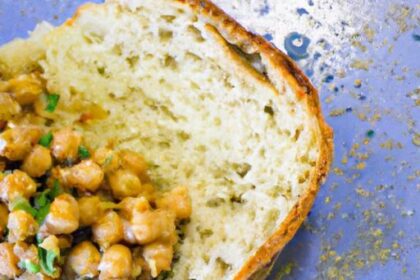
- Variations: Swap the filling for chickpeas mashed with cumin and turmeric for a Middle Eastern twist or use sweet potato and black beans for a hearty vegan option.
- Dough Tips: Resting the dough is crucial-it relaxes the gluten to make rolling easier and the dumplings tender.
- Storage: Freeze uncooked dumplings on a parchment-lined tray, then transfer to bags. Cook them directly from frozen, adding a few extra minutes to the cooking time.
- Sealing Tip: moisten the edges with water before pinching to ensure a tight seal that won’t break during cooking.
- Troubleshooting: If dough cracks, add a few drops of water and knead more to restore elasticity.
Serving Suggestions
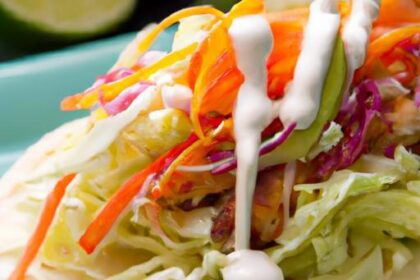
Present your dumplings with a bounty of complementary flavors. A dipping sauce of soy sauce, rice vinegar, minced garlic, and a dash of chili crisp works wonderfully. For freshness, add sliced cucumber and pickled radish on the side. Garnish with fresh cilantro or tiny sprigs of mint for a burst of herbal brightness.Serve alongside steamed bok choy or a crunchy cabbage slaw to contrast textures.
| Nutrient | Per Serving (4 dumplings) |
|---|---|
| Calories | 180 kcal |
| Protein | 6 g |
| Carbohydrates | 28 g |
| Fat | 4 g |

Exploring Dumpling Making Techniques
The art of folding and cooking dumplings varies as much as their fillings. Asian styles frequently enough favor delicate pleats and steaming or pan-frying, focusing on retaining juiciness and a slight chew to the wrapper. European varieties, like pierogi or ravioli, embrace thicker dough and boiling, often accompanied by rich sauces or caramelized onions.By mastering both dough elasticity and folding shapes such as the chinese “jiaozi” pleats or the Eastern European “half-moon” bend, you’ll unlock a new dimension of texture and flavor harmony.
Signature Dumpling Varieties and Their Cultural Significance
From the savory xiao long bao, famed for its delicate soup-filled core, to the filled-to-the-brim Pelmeni served during Russian winter festivities, dumplings unite communities around celebrations and family traditions. In Central Asia, mantu are steamed as a weekend ritual, symbolizing hospitality and ancestral respect. Each dumpling shape, filling, and cooking method carries symbolic and social meanings passed down through generations, making every bite a cultural encounter.
Pairing Dumplings with Traditional Sauces and complementary Flavors
Elevate your dumpling experience by pairing them with authentic sauces. Try a tangy ginger-soy sauce for steamed varieties,a spicy garlic-ginger chili oil for pan-fried dumplings,or a creamy dill and sour cream dip for Eastern European styles. Complement with crunchy pickles, fresh herbs, and vibrant salads to balance the warmth and softness of dumplings. These curated flavor combinations honor the traditions behind dumplings decoded and transform your meal into a celebration of global taste.
For more on the cultural stories behind global dumplings, check our comprehensive dumpling recipe collection. For historic context, the Encyclopedia Britannica offers an authoritative exploration of dumpling origins.
Q&A
Q&A: Dumplings Decoded – A Global Journey Through Taste and tradition
Q1: What exactly is a dumpling?
A: at its essence, a dumpling is a small parcel of dough wrapped around or enclosing a filling-or sometimes, just dough itself-steamed, boiled, fried, or baked to perfection. These bite-sized wonders are a universal comfort food, found in cultures from Asia to Europe, each telling a unique story through textures, flavors, and cooking methods.
Q2: Why are dumplings so culturally significant around the world?
A: Dumplings often symbolize community and celebration. Their making is traditionally a communal act-families gathering to fold, fill, and seal together, passing down recipes and rituals through generations. In many cultures, dumplings are not just food but emblematic of prosperity, luck, and togetherness.
Q3: How do dumpling fillings vary globally?
A: The world of dumpling fillings is a vibrant tapestry! In East Asia, fillings might include minced vegetables, tofu, seafood, or chicken, seasoned with ginger and garlic. Eastern European dumplings often boast robust fillings like potato, mushrooms, or cheese. In Latin america, empanada-style dumplings may feature spiced beans, beef alternatives, or sweet fruit fillings. The possibilities are as diverse as the cultures they come from.
Q4: What are some distinctive cooking techniques used for dumplings?
A: Dumplings shine in versatility. They can be steamed to a delicate softness, boiled until luscious, pan-fried for a satisfying crisp, or baked for a golden crust. Each technique offers a unique texture experience-steaming guards moisture, frying adds crunch, boiling keeps things tender, and baking delivers warmth with a rustic edge.
Q5: Can dumplings be enjoyed as a meal or just as snacks?
A: Absolutely both! Dumplings adapt effortlessly. They can star in a grand banquet,accompany a bowl of soup,or serve as street-food snacks on the go. Some cultures enjoy them as hearty main courses stuffed with protein and veggies, while others delight in bite-sized portions as appetizers or desserts.
Q6: How do dumpling wrappers differ in various cuisines?
A: Wrappers tell their own story. In East Asian cuisines, thin, round, wheat-based wrappers allow delicate fillings to shine. Central Asian dumplings often feature thicker dough that holds up to hearty, spiced meats and vegetables. Some dumplings use unleavened dough; others incorporate leavening for fluffiness.There are even rice flour and tapioca-based wrappers in tropical regions, offering chewiness and translucence.
Q7: Are there vegetarian or vegan dumpling traditions around the world?
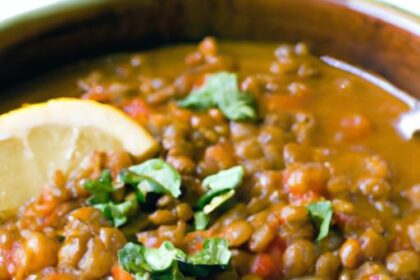
A: Yes! Many cultures boast rich vegetarian dumpling traditions. For example, Chinese vegetable dumplings loaded with mushrooms, cabbage, and carrots; Italian ravioli filled with spinach and ricotta; Indian samosas packed with spiced potatoes and peas; and Middle Eastern manti featuring lentils or chickpeas. These plant-based fillings celebrate local produce and seasonings, creating vibrant, nourishing bites.
Q8: How have dumplings evolved in modern cuisine?
A: Today’s culinary artists are pushing dumplings beyond tradition-experimenting with fusion fillings,innovative wrappers like seaweed or gluten-free alternatives,and creative cooking techniques,such as air frying or sous vide. Dumplings have become a global canvas for flavor exploration while honoring their roots.
Q9: What makes dumplings such a beloved comfort food universally?
A: Dumplings embody warmth, familiarity, and a bit of culinary nostalgia. Their handheld nature invites sharing and savoring. The harmonious blend of soft dough and flavorful filling resonates with our innate pleasure in dynamic textures and balanced tastes-making them a timeless comfort wherever you find them.
Q10: How can someone new to making dumplings start their own dumpling tradition?
A: Begin simply! Choose a favorite filling-perhaps a mix of mushrooms and cabbage or spiced lentils. Pick a store-bought wrapper or try making dough from scratch if feeling adventurous. Embrace the folding process as part craft, part meditation.Invite friends or family to join,turning dumpling-making into a joyful gathering that creates lasting memories alongside delicious bites.
The Conclusion
As we close the final fold of our dumpling journey, one thing becomes clear: these humble pockets of dough are much more than just a culinary delight. They are vessels carrying centuries of history, culture, and tradition from every corner of the globe. from the delicate pleats of Chinese jiaozi to the rich spices enveloping indian momos, dumplings invite us to taste the stories of people united by a shared love for comfort and creativity. So next time you savor a dumpling, remember-it’s not just a bite but a bridge connecting past and present, East and West, tradition and innovation. In every morsel lies a delicious invitation to continue exploring the world’s diverse flavors, one dumpling at a time.