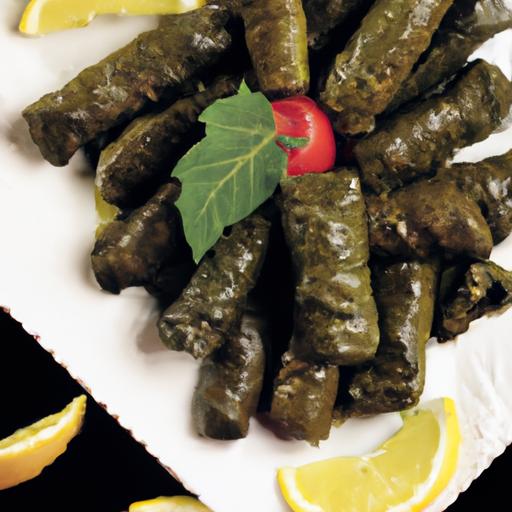

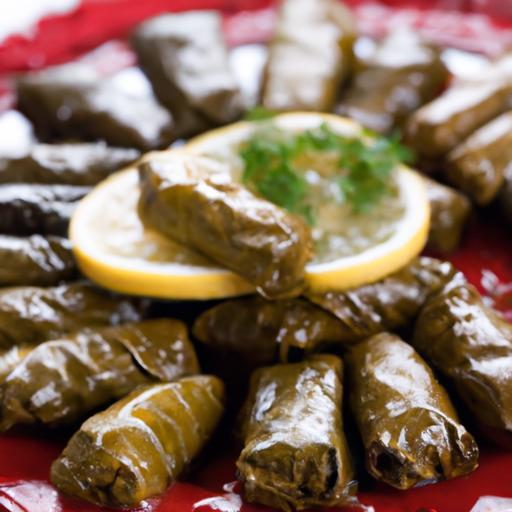

Nestled within the culinary tapestry of the Mediterranean and the Middle east lies a humble yet enchanting dish that has captivated taste buds for centuries: dolmas, or stuffed grape leaves. These delicate bundles, brimming with fragrant rice, herbs, and sometimes savory meats, carry with them stories of ancient trade routes, family traditions, and regional flavors that have evolved over millennia. In this article, we embark on a flavorful journey through time and tradition to uncover the rich history behind dolmas and explore the vibrant diversity of their fillings, preparations, and cultural meaning-a true delight wrapped in grape leaves.
Dolmas Delight is more then just a dish; it is a culinary voyage that threads together centuries of tradition, culture, and vibrant flavor. From bustling Mediterranean markets to quiet family tables, stuffed grape leaves have captured hearts and palates alike. This iconic readiness, known regionally as dolmas, brings together tender grape leaves wrapped around a fragrant filling that often includes rice, fresh herbs, and spices. Its charm lies in the delicate balance of textures and the aromatic dance of zesty lemon and earthy herbs, inviting food enthusiasts to embrace a tapestry of history and taste with every bite.
Prep and Cook Time
- Preparation: 40 minutes (including soaking grape leaves)
- Cooking: 1 hour
- Total Time: 1 hour 40 minutes
Yield
Approximately 30 stuffed grape leaves, serving 6 to 8 people as an appetizer or side.
Difficulty Level
Medium – Requires some patience for rolling and cooking but well worth the effort.
Ingredients
- 1 jar (about 60 leaves) pickled grape leaves, rinsed and drained
- 1 cup long-grain white rice, rinsed thoroughly
- 1 large onion, finely chopped
- 3 large tomatoes, grated or finely diced
- 1 cup fresh parsley, finely chopped
- ½ cup fresh dill, finely chopped
- ¼ cup fresh mint leaves, finely chopped
- ½ cup extra-virgin olive oil, plus extra for drizzling
- Juice of 2 lemons, plus wedges for garnish
- 1 teaspoon ground allspice
- 1 teaspoon salt, adjust to taste
- ½ teaspoon freshly ground black pepper
- 2 cups vegetable broth or water
The Cultural Journey of Dolmas Delight: Flavor Profiles and Regional Variations
Across the eastern Mediterranean and Middle East, dolmas reveal subtle yet captivating variations reflecting local terroirs and traditions. In Greece, the rice filling frequently enough mingles with pine nuts and currants, lending a sweet-textured contrast, while Lebanese versions might layer flavors more heavily with lemon zest and garlic for an assertive tang. Turkish dolmas frequently include a hint of cinnamon or nutmeg, enriching the aroma, whereas Armenian recipes emphasize fresh herbs like basil alongside dill for a bright finish. Despite these nuances,the core essence of dolmas-delicate grape leaves enveloping a fragrant,herbaceous filling-creates a unifying cultural embrace that invites sharing and celebration. The balance of tart citrus, fragrant herbs, and tender rice is what continues to enchant palates across generations.
Step-by-Step Guide to Making Dolmas Delight at Home
- Prepare the grape leaves: Carefully rinse the pickled grape leaves under cold water to remove excess brine, then trim any thick stems. If they feel stiff, soak in warm water for 10 minutes to make them pliable.
- cook the rice filling: In a large skillet, heat ¼ cup olive oil over medium heat. Add the chopped onions and sauté until translucent, about 5 minutes. Stir in the grated tomatoes,allspice,salt,and pepper; cook gently for another 5 minutes until the mixture thickens.
- Add the rice and herbs: Stir the rinsed rice into the onion-tomato mixture. Pour in ½ cup of the vegetable broth and cook uncovered, stirring frequently, until the liquid is almost absorbed-about 7-8 minutes. Remove from heat and mix in the parsley, dill, mint, and lemon juice. Let the filling cool slightly to ease rolling.
- Roll the dolmas: Lay a grape leaf flat on a clean work surface, vein side up.Place a teaspoon of filling near the stem end, fold in the sides, and roll tightly toward the tip like a small cigar. Repeat until all filling and leaves are used, placing each rolled dolma seam side down in a snug, single layer in a heavy-bottomed pot.
- Layer and cook: Drizzle remaining olive oil over the dolmas and add the remaining broth to almost cover them. Place a heatproof plate on top to keep them compressed and prevent unraveling. Cover with a tight-fitting lid and simmer gently for 50-60 minutes, checking periodically to ensure liquid remains.
- Rest and serve: Once cooked, let dolmas cool to room temperature before serving, allowing flavors to settle and intensify.
Tips for Success with Dolmas Delight
- Use fresh grape leaves in season, if accessible, but pickled leaves are perfect and consistent year-round.
- Steady, gentle simmering prevents the delicate rolls from bursting or drying out.
- Rolling tightly but without tearing the leaves ensures neat, uniform dolmas that hold their shape.
- Fillings can be adapted to include finely diced vegetables like zucchini or carrots for a heartier variant.
- Make-ahead pleasant: dolmas improve in flavor after refrigerating overnight and can be served cold or at room temperature.
Serving Suggestions: Pairing Perfection
Present your dolmas with a drizzle of extra-virgin olive oil and a sprinkle of freshly chopped herbs.Dolmas Delight pairs beautifully with a side of creamy tzatziki or a cool cucumber-yogurt salad to balance the richness. Fresh lemon wedges add a refreshing burst. For beverages, opt for light, crisp white wines such as Sauvignon Blanc or a dry Riesling; non-alcoholic options like sparkling water infused with mint and citrus also complement the dish wonderfully.
| Nutrient | Per Serving |
|---|---|
| Calories | 150 kcal |
| Protein | 3 g |
| Carbohydrates | 20 g |
| Fat | 7 g |

For more Mediterranean inspired recipes that celebrate herbs and fresh flavors, check out our Mediterranean Herb Recipes collection. To deepen your culinary knowledge on grape leaf varieties and nutritional insights, visit Healthline’s guide to grape leaves.
Q&A
Q&A: Dolmas Delight: Exploring the history and Flavors of Stuffed Grape Leaves
Q1: What exactly are dolmas,and were did they originate?
A1: Dolmas,also known as stuffed grape leaves,are a beloved culinary treasure in many Mediterranean and Middle Eastern cultures. The word “dolma” comes from the Turkish verb dolmak, meaning “to be stuffed.” These tender grape leaves are lovingly filled with a savory mixture-typically rice, herbs, and sometimes nuts or vegetables-then rolled and cooked to perfection. While their exact origin is a bit of a historical tapestry woven through the ottoman Empire’s influence, dolmas have deep roots in greek, turkish, Lebanese, Armenian, and Persian cuisines, symbolizing a shared love for communal dining and bold, fresh flavors.
Q2: What makes grape leaves the ideal wrapper for dolmas?
A2: Grape leaves offer a uniquely delicate yet sturdy wrapping that absorbs the aromatic essence of the filling while keeping everything snug and succulent. Their slight tanginess adds a subtle brightness to the dish, balancing the savory richness inside. When cooked, the leaves become wonderfully tender without falling apart, enhancing the texture and providing a natural, edible package that’s both lovely and flavorful.
Q3: What are some common traditional fillings used in dolmas?
A3: The most classic stuffing combines rice with fragrant herbs like dill, mint, and parsley, often accented by finely chopped onions and pine nuts or currants for subtle sweetness and crunch. Some variations may include lentils, chickpeas, or finely ground meat such as lamb or beef, though vegetarian versions remain widespread and celebrated. Spices like cinnamon, allspice, and cumin sometimes dance through the mixture, adding warm, exotic notes.
Q4: How do regional variations influence the flavors of dolmas?
A4: Each region infuses dolmas with its own culinary personality. For example, Greek dolmades often feature lemon juice generously, lending a bright, zesty punch.Lebanese versions might incorporate tangy sumac or pomegranate molasses, layering in fruity tartness. In Turkish cuisine, you might find a blend of rice with currants and nuts, creating a sweet-savory harmony. These subtle tweaks reflect local ingredients and taste preferences, making dolmas an ever-evolving dish that adapts to place and palate.
Q5: Can dolmas be served both warm and cold?
A5: Absolutely! Dolmas are beautifully versatile. Served warm, stuffed grape leaves make a comforting main or side dish, especially when accompanied by a drizzle of rich olive oil and a squeeze of fresh lemon. Chilled dolmas, on the other hand, are popular as a refreshing mezze-perfect for snacking or as part of a festive spread. Their bright herbaceous notes and supple texture shine through in either presentation.
Q6: What is the significance of dolmas in cultural celebrations?
A6: Dolmas frequently enough take center stage during family gatherings, religious holidays, and festive occasions. Their slow, careful preparation fosters a sense of togetherness, with recipes passed down through generations. Sharing dolmas symbolizes hospitality, abundance, and the deep-rooted connection between food and cultural identity. Each rolled leaf tells a story of tradition,warmth,and the simple joy of breaking bread-or in this case,rolling leaves-with loved ones.
Q7: How can home cooks ensure their dolmas turn out tender and flavorful?
A7: The key lies in gentle preparation and patience. Carefully selecting fresh grape leaves-or well-rinsed jarred ones-is essential to avoid bitterness. The rice should be partially cooked or soaked beforehand,so it finishes cooking inside the leaves without becoming mushy. Layering aromatic herbs and seasoning thoughtfully elevates the filling, while slow simmering with lemon-infused broth or water allows the flavors to meld and the leaves to soften just right. Don’t rush the cooking process-dolmas are a labor of love that reward dedication with delightful complexity.
Q8: Are there creative modern twists on traditional dolmas?
A8: Indeed! Contemporary chefs and home cooks alike experiment with inventive fillings such as quinoa for a gluten-free twist, roasted vegetables for extra texture, or fragrant spices from other global cuisines.Some recipes incorporate sun-dried tomatoes, olives, or even vegan cheese to add depth and richness. While honoring tradition, these variations showcase dolmas’ adaptability, inviting new generations to savor this ancient dish in fresh and exciting ways.
Discovering dolmas is like peeling back layers of history wrapped in flavor. with every bite, you taste centuries of culture, community, and culinary artistry-truly a delight for the senses.
Concluding Remarks
As we unwrap the layers of history and savor the diverse flavors of dolmas, it becomes clear that these humble stuffed grape leaves are much more than a simple dish-they are edible stories of cultural exchange, tradition, and creativity. From ancient feasts to modern tables, dolmas continue to delight palates and connect generations, inviting us all to explore the rich tapestry of flavors tucked within each leaf. Whether you enjoy them as a tangy appetizer or a hearty main, dolmas remind us that sometimes, the smallest parcels hold the greatest delights. So next time you encounter this culinary gem, take a moment to appreciate not just its taste, but the vibrant history and heritage wrapped inside every bite.