


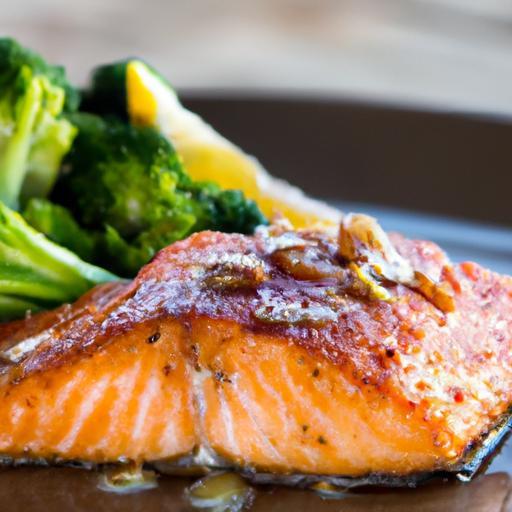

There’s something undeniably magical about a piece of salmon that boasts a golden, crispy crust while remaining tender and flaky on the inside. Achieving that harmonious balance is both an art and a science-one that invites home cooks and seasoned chefs alike to elevate their frying technique. In “Crispy Perfection: Mastering the Art of Fried Salmon,” we’ll dive into the secrets behind creating that mouthwatering crunch without sacrificing the salmon’s natural richness. From selecting the freshest fillets to mastering the ideal temperature and coating, get ready to transform a simple fish into a culinary masterpiece that crackles with flavor and texture.
Crispy Perfection in fried salmon starts with knowing exactly which cut to choose and mastering flavor and technique for that unbeatable golden crunch. Whether you’re craving a weeknight winner or impressing guests, the secret lies in crafting a dish that balances texture and taste harmoniously.
Prep and Cook Time
- Planning: 15 minutes
- Cooking: 10 minutes
- Total Time: 25 minutes
Yield
Serves 4 generously.
Difficulty Level
Medium – perfect for home cooks ready to elevate their seafood skills.
Ingredients
- 4 salmon fillets (skin-on,about 6 oz each,preferably center-cut for consistent thickness)
- 1 tsp kosher salt
- 1/2 tsp freshly ground black pepper
- 1 tsp smoked paprika
- 1/2 tsp garlic powder
- 1/2 tsp dried thyme
- 1/4 cup all-purpose flour,sifted
- 2 tbsp cornstarch
- 1 large egg,beaten
- 1 tbsp cold water
- Vegetable oil or refined avocado oil for frying (enough for a 1/2-inch deep fry)
- Fresh lemon wedges and chopped parsley for garnish
Instructions
- Select the ideal salmon cut: Choose center-cut,skin-on fillets with firm,luminous pink flesh for even cooking and maximum crispiness on the skin side.The skin acts as a natural barrier, locking in moisture while crisping beautifully in hot oil.
- Prepare your seasoning blend: In a small bowl,combine salt,pepper,smoked paprika,garlic powder,and thyme. This balanced blend complements the natural richness of the salmon without overpowering it.
- Season the salmon fillets: Pat fillets dry with paper towels-this step is crucial to achieving the perfect crust. Sprinkle the seasoning blend evenly over both sides,giving an extra pinch on the skin side.
- Set up your dredging station: Mix flour and cornstarch in one shallow dish-this combination guarantees a lighter, crispier crust. In another bowl, whisk the egg with cold water until smooth.
- Coat the salmon: Lightly dust each fillet in the flour-cornstarch mix, shaking off excess.Dip into the egg wash, then back into the dry mixture for a double coating-this layering maximizes crunchiness while keeping the interior tender.
- Choose the right oil and temperature: Pour enough vegetable or refined avocado oil into a heavy-bottom skillet to create a 1/2-inch depth. Heat over medium-high heat until the temperature reaches 350°F (175°C). Use a thermometer to ensure precision-too low and the fish will absorb oil; too high and the crust burns before cooking through.
- Fry the salmon: Carefully lay fillets skin-side down into the hot oil. Press lightly with a spatula to prevent curling and fry for 3-4 minutes without moving, allowing the skin to crisp to a golden brown. Flip gently and cook the flesh side for an additional 2-3 minutes, just until opaque and flaky.
- Drain and rest: Transfer the salmon onto a wire rack or paper towels to drain excess oil. Let it rest for 2 minutes; this helps the juices redistribute while keeping the crust intact.
- Garnish and serve: Finish with fresh lemon wedges and a sprinkle of chopped parsley to brighten the plate visually and flavor-wise.
Tips for Success
- Salmon skin quality: Opt for skin with scales removed but intact; fresh skin crisps better and prevents sticking.
- Dry but don’t overflour: Excess flour can cause clumps and uneven frying-tap off well.
- Oil choice matters: Refined oils with high smoke points like avocado or vegetable oil help maintain steady heat for flawless frying.
- Temperature control: Use a digital thermometer for consistency. If unavailable, test by dropping a small pinch of flour in the oil-it should sizzle promptly without burning.
- Make-ahead: Season and dredge salmon just before frying to keep the coating from becoming soggy.
- For variation: Add a pinch of cayenne or lemon zest to the seasoning blend for a subtle kick or citrus aroma.
Serving Suggestions
Present your crispy salmon atop a bed of fluffy jasmine rice or alongside buttery garlic green beans. A drizzle of homemade tartar sauce or a tangy dill yogurt dip adds a creamy contrast. Garnish with fresh lemon wedges and a scatter of microgreens or edible flowers for a visually striking plate.Serve hot for that irresistible crackling bite.
| Nutrient | Per Serving |
|---|---|
| Calories | 350 kcal |
| Protein | 32 g |
| Carbohydrates | 8 g |
| Fat | 18 g |
Crispy Perfection in fried salmon doesn’t happen by chance; it’s an art perfected by selecting the right cut and seasoning it to bring out bold flavors enhanced through skillful frying techniques. For more on seafood preparation, check our Mastering Seafood Cooking Techniques guide. Discover the nuances of healthy frying and oil selection through trusted culinary resources like the Serious Eats frying oil guide to elevate your kitchen mastery.

Q&A
Q&A: Crispy Perfection – Mastering the Art of fried Salmon
Q1: What makes fried salmon crispy on the outside but tender on the inside?
Achieving that golden, crispy exterior while keeping the salmon moist inside is all about temperature control and technique. Start with a hot pan and sufficient oil to create an instant sear, which locks in the juices. Use skin-on fillets for an extra crispy texture-rendering the fat beneath the skin enhances flavor and crunch. Cook on medium-high heat and avoid flipping too soon; patience is key to forming that perfect crust.
Q2: Should I season the salmon before or after frying?
Season your salmon just before it hits the pan. A light sprinkle of salt and pepper enhances the natural flavor and helps draw out moisture for a better crust. Avoid heavy marinades right before cooking, as excess moisture can prevent crispiness. If you prefer herbs or spices, apply a dry rub or sprinkle after patting the fillets dry.
Q3: What type of oil is best for frying salmon?
Choose an oil with a high smoke point, such as avocado oil, grapeseed oil, or refined coconut oil. These oils can withstand higher temperatures without burning or breaking down, helping you achieve that crispy finish. Olive oil is delicious but better used in combination with a sturdier oil or on lower heat, as it has a lower smoke point.
Q4: How can I avoid the salmon sticking to the pan?
Start with a clean, well-seasoned pan and ensure your salmon fillets are very dry before cooking. Water on the surface creates steam, which leads to sticking. Heating the oil until it shimmers before adding the fish helps form a non-stick barrier. Allow the salmon to cook undisturbed until it naturally releases from the pan-if it resists, it likely needs a bit more time.
Q5: Is it better to fry salmon with the skin side up or down first?
Always start skin side down if your fillet has skin. This allows the skin to crisp up beautifully while protecting the delicate flesh from direct heat. The fat under the skin renders slowly, contributing to flavor and texture. once the skin is crisp and the salmon is cooked about two-thirds of the way through, flip to quickly finish the other side.
Q6: Can I use frozen salmon for frying?
Frozen salmon can work if thawed properly. It’s crucial to thaw the fish completely and pat it dry to remove excess moisture. Excess water causes splattering and prevents that coveted crispiness. For the best results, flash-freeze fillets yourself ahead of time or buy high-quality fresh salmon.
Q7: What sides complement crispy fried salmon best?
Crispy fried salmon pairs wonderfully with bright, fresh sides that cut through its richness.Think zesty citrus salads, sautéed greens with garlic, or roasted vegetables with a hint of smokiness. A light herbed yogurt sauce or a tangy avocado salsa can add a refreshing contrast to the crispy fillet.
Q8: How can I detect when my fried salmon is perfectly cooked?
Look for a firm but slightly springy texture and opaque color in the thicker parts. The skin should be golden and crunchy.If you want to be precise, aim for an internal temperature of around 125-130°F (52-54°C) for medium doneness. The fish will continue to cook a little after resting, so take it off the heat just before it feels fully firm.
Q9: What creative twists can elevate fried salmon without overpowering its flavor?
Try finishing your salmon with a sprinkle of toasted sesame seeds or a drizzle of citrus-infused oil. Adding fresh herbs like dill, chives, or tarragon at the end brightens the dish. For a subtle kick,dust with smoked paprika or a pinch of chili flakes. Keeping the enhancements simple lets the salmon shine as the star.
to Wrap It Up
As you close the chapter on your journey to crispy perfection, remember that mastering the art of fried salmon is as much about technique as it is indeed about passion. Each golden, crackling bite is a testament to the harmony of heat, timing, and care. Whether you’re a seasoned cook or a curious beginner, letting the salmon sizzle to crispy glory transforms a simple fish into an unforgettable experience. so, next time you hear that satisfying pop in the pan, know you’re not just cooking-you’re crafting a masterpiece that honors the ocean’s bounty with every bite. Happy frying!