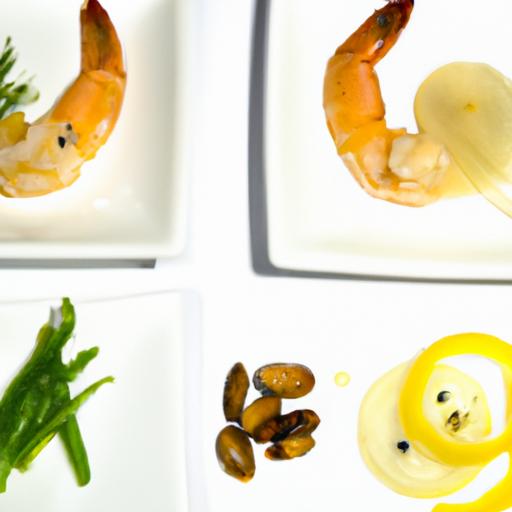



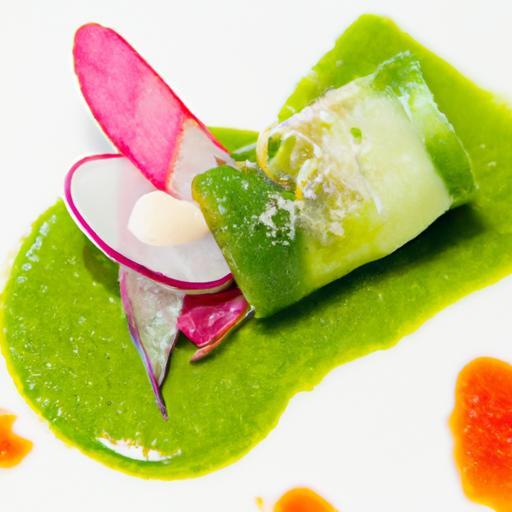

In a world where the sizzle of a hot pan often steals the spotlight, ther exists a culinary experience that celebrates nature’s unadulterated essence-crudo. More than just a dish, crudo is an art form that invites us to savor the delicate textures, vibrant colors, and pure flavors of raw ingredients, thoughtfully curated and exquisitely presented. From the glistening slices of pristine fish to the subtle hints of citrus and herbs that elevate each bite, crudo unravels a sensory journey that transcends cooking. Join us as we delve into the origins, techniques, and cultural nuances of this raw culinary delight, uncovering the secrets that make crudo a timeless embodiment of freshness and finesse.
Crudo Uncovered takes us on a captivating journey into the delicate world of raw culinary artistry. This elegant style of preparing seafood in its purest form has long enthralled food lovers with its simplicity and vibrant interplay of textures and tastes. Tracing its roots to the Mediterranean coast, crudo isn’t just about raw fish; it embodies a beliefs of freshness, balance, and precise technique that elevates natural flavors into a sublime culinary experience.
Prep and Cook Time
Preparation: 20 minutes
cook Time: No cooking required (chilling time: 5-10 minutes)
Yield
Serves 4 elegantly portioned servings
Difficulty Level
Medium – precision and freshness are key, but the method is straightforward
Ingredients
- 400g sashimi-grade sea bass, thinly sliced
- 1 tbsp extra-virgin olive oil, cold-pressed
- Juice of 1 fresh lemon
- 1 tsp sea salt, flaky
- 1 small fresh chili, finely sliced (optional)
- 1 tbsp capers, rinsed and drained
- Freshly cracked black pepper, to taste
- 1 tbsp finely chopped fresh basil
- Microgreens or edible flowers, for garnish
- 1 small clove garlic, minced (optional – subtle brightness)
Instructions
- prepare the fish: Using a sharp knife, carefully slice the sea bass into 3-4 mm thin slices. Arrange the slices in a single layer on a chilled serving plate. Keeping the fish cold is essential to maintain texture and safety.
- Marinate lightly: Drizzle the cold-pressed olive oil and lemon juice evenly over the fish slices. Light acidity from lemon accentuates the seafood’s freshness without ‘cooking’ it like ceviche.
- Season thoughtfully: Sprinkle sea salt and cracked black pepper gently over the top. The salt should be flaky to dissolve delicately on the tongue, enhancing natural flavors.
- Add texture: Scatter finely sliced fresh chili and capers across the dish. These add subtle heat and briny depth that contrast beautifully with the mild fish.
- Herbs and aromatics: Distribute the minced garlic and chopped basil sparingly to avoid overpowering the fish. The herbaceous notes lift the dish while garlic introduces a hint of warmth.
- Rest briefly: Allow the crudo to sit at room temperature for 5-10 minutes before serving. this brief resting lets the flavors meld without compromising freshness.
- Garnish and serve: Finish with a handful of vibrant microgreens or edible flowers,adding visual allure and a final textural contrast.
Chef’s Notes
- Fish selection: Opt for sashimi-grade fish from a trusted fishmonger, ensuring freshness and safety in raw preparations.
- Acidity balance: Lemon juice brightens flavor but avoid over-marinating, which can ‘cook’ the fish and alter texture.
- Chili option: Adjust chili quantity depending on heat tolerance; a single thin slice can enhance without overwhelming.
- Make ahead: Pre-slice fish and keep refrigerated; dress just before serving to preserve texture and vibrancy.
- Substitutions: Try tuna or scallops for variation, keeping all other elements consistent for balance.
Serving Suggestions
Serve crudo on chilled plates to keep the fish fresh longer. Pair with light, crunchy crostini or thinly sliced cucumber ribbons to add crisp texture without overpowering. A drizzle of high-quality cold-pressed olive oil just before plating can elevate aroma and mouthfeel further. Garnish with edible flowers in vibrant purples, yellows, and pinks for a stunning plate that’s as beautiful as it is delicious. A side of lightly picked baby greens dressed in lemon vinaigrette harmonizes well.
| Nutritional Information (per serving) | Amount |
|---|---|
| Calories | 160 kcal |
| Protein | 28 g |
| Carbohydrates | 1.5 g |
| Fat | 5 g |

Techniques Every Crudo Enthusiast Should Master
Mastering crudo requires a deft touch-thin slicing precise enough to showcase the fish’s texture without shredding, and balancing acidity with oil for a sensory harmony. Sharp knives, chilled prep surfaces, and gentle mixing tools like silicone spatulas aid in preserving integrity.For further in-depth techniques, explore our comprehensive seafood preparation guide. For scientific background on flavor pairing, visit the National Center for Biotechnology Information.
Q&A
Q&A: Crudo Uncovered – Exploring the Art of Raw Culinary Delight
Q1: What exactly is “crudo,” and how does it differ from other raw dishes?
A1: Crudo, an Italian word meaning “raw,” refers to a culinary technique that highlights the freshest, highest-quality raw ingredients, typically fish or seafood, delicately sliced and served simply with seasonings like olive oil, citrus, herbs, and sea salt. Unlike sushi or sashimi, which are rooted in Japanese tradition, crudo often embraces mediterranean flavors and emphasizes minimal intervention, allowing the pure essence of the ingredients to shine.Q2: Why has crudo become such a celebrated dish in contemporary cuisine?
A2: Crudo resonates with modern diners who crave transparency and authenticity in their food-it’s an expression of respect for nature’s bounty, presenting ingredients in their most pristine form. Its lightness, vibrant textures, and vivid colors appeal both visually and gastronomically, fitting perfectly into today’s demand for clean eating and lasting sourcing.
Q3: What types of fish or seafood are ideal for preparing crudo?
A3: The best candidates for crudo are delicate, firm, and fresh varieties like snapper, halibut, sea bass, scallops, or tuna. Their subtle flavors and smooth textures create an elegant canvas for bright citrus notes, a drizzle of extra-virgin olive oil, or a sprinkle of sea salt. Quality is paramount, as crudo relies wholly on freshness and purity.
Q4: Can crudo be made with ingredients other than fish or seafood?
A4: Absolutely! While fish and seafood reign supreme in crudo, imaginative chefs also experiment with thinly sliced vegetables like zucchini or fennel, or even fruits such as apple or pear, treating them with zest, herbaceous oils, and sea salt to create refreshing, raw flavor profiles that celebrate nature’s raw textures.
Q5: What role do seasonings and accompaniments play in crafting the perfect crudo?
A5: Seasonings in crudo are subtle enhancements, not overpowering agents. A few drops of citrus juice brighten and “cook” the surface slightly, while olive oil adds richness and mouthfeel. Crunchy elements like toasted nuts or seeds can add texture, and fresh herbs lend aromatic bursts. The goal is a harmonious balance where the main ingredient’s natural essence leads the experience.
Q6: How can home cooks safely prepare crudo without compromising health?
A6: Safety begins with sourcing-always choose fresh, sashimi-grade fish or seafood from trusted suppliers. Keep ingredients chilled, use clean utensils, and prepare crudo just before serving. If uncertain, consult fishmongers about the best cuts and advice for raw consumption. Following these steps ensures an enjoyable and safe indulgence.Q7: Are there cultural influences that have shaped crudo?
A7: Indeed! Crudo owes its popularity to Italian coastal traditions but also absorbs inspiration from Japanese and Latin American raw preparations, like sashimi and ceviche. This fusion fosters creativity, melding techniques and seasonings to evolve crudo into a contemporary dish reflecting a global culinary dialog.
Q8: What textures and flavors should one expect while eating crudo?
A8: Crudo tantalizes with a delicate, almost buttery texture complemented by bright acidity, subtle saltiness, and fragrant herbal notes. The raw fish is tender yet firm, often melting pleasantly on the palate, while garnishes provide contrast-perhaps a mild crunch or a hint of spice-creating a symphony of light, fresh sensations.
Q9: Can crudo be a starter or a main course?
A9: Typically, crudo shines as a refined appetizer, awakening the palate with its clean, nuanced flavors. Though, generous portions paired with complementary elements like crisp greens or root vegetables can easily elevate crudo into a light yet sophisticated main course, especially during warm seasons or as part of a tasting menu.
Q10: what makes crudo an artful expression in modern cooking?
A10: Crudo’s artistry lies in simplicity and respect-each slice is a deliberate act, balancing precision with spontaneity. Chefs become curators of nature’s freshest gifts, enhancing rather than masking flavor. it’s a canvas for seasonality, texture, and aesthetics, inviting diners to savor the unadulterated beauty of raw ingredients in an elegant, thoughtful way.
To Conclude
As we close the chapter on our journey through the vibrant world of crudo, it becomes clear that this raw culinary art is much more than just a dish-it is a party of nature’s purest flavors, textures, and aromas. from the delicate slicing techniques to the thoughtful pairings of citrus, herbs, and oils, crudo invites us to savor food in its most honest and unadulterated form. Whether you’re a seasoned food enthusiast or a curious newcomer, embracing crudo is an invitation to explore the subtle nuances that raw ingredients can offer. So next time you seek a dining experience that is both refreshingly simple and profoundly elegant, remember the art of crudo-where every bite is a revelation waiting to unfold.