



There’s something deceptively simple about scrambled eggs. Yet,achieving that perfect,cloud-like fluffiness can feel like an elusive culinary art. Whether you’re a breakfast novice or a kitchen pro looking to refine your technique,mastering scrambled eggs is a rewarding skill that elevates your mornings with every bite. In this article, we’ll crack open the secrets behind those soft, creamy curds and share expert tips to transform your scramble from ordinary to irresistibly fluffy perfection.Get ready to turn a humble breakfast staple into a masterpiece on your plate.
Selecting the Ideal eggs and Ingredients for Creamy Texture
Mastering scrambled eggs begins with choosing the right ingredients that guarantee that smooth, creamy texture everyone craves.Opt for fresh, large eggs from a trusted source-ideally free-range or organic, as their richer yolks bring a vibrant color and fuller flavor that elevates your dish. the eggs’ quality is the foundation for achieving those silky, luscious curds.
To amplify creaminess, incorporate a splash of whole milk or heavy cream. Some chefs swear by a dollop of crème fraîche or butter added during or after cooking-it softens the curds perfectly and adds subtle richness. Seasoning wisely at this stage is key: a pinch of fine sea salt and a grind of fresh black pepper allow the egg’s natural flavors to shine without overpowering.
Achieving the Perfect Whisk: Techniques to Incorporate Air
To get that coveted fluffy texture, the whisking technique is your secret weapon. Using a balloon whisk, beat the eggs vigorously until the mixture turns pale yellow and airy-this introduces tiny air bubbles that expand during cooking, making the curds light and cloudlike. Whisking for at least 30 seconds ensures the whites and yolks are fully integrated,forming a homogenous mixture that cooks evenly.
For an even silkier texture, some culinary pros recommend gently folding in a forkful of warm water or milk after whisking. This enhances moisture and results in softer curds. Avoid overbeating, as this can cause the eggs to become tough or greasy once cooked.
Controlling Heat and Timing for Soft, Fluffy Curds
the hallmark of masterful scrambled eggs is controlling your stove’s heat with precision. Always cook over low to medium heat-this slow method keeps the eggs tender and prevents the dreaded rubbery texture. A nonstick pan generously coated with unsalted butter provides a luxurious base and prevents sticking.
Pour the egg mixture into the pan and wait a few seconds for the edges to set slightly before gently stirring with a silicone spatula. The movement should be slow and deliberate, pushing curds from the edges to the center. Patience is essential: removing the pan from heat just before the eggs fully cook results in residual warmth finishing the job, preserving moistness and fluffiness.
Finishing Touches and Flavor Boosters to Elevate Your Scrambled Eggs
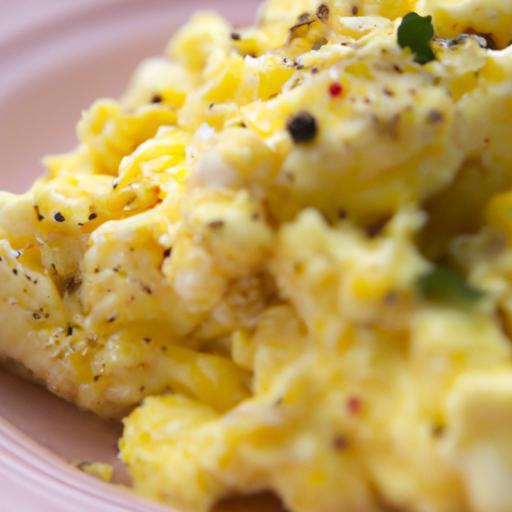
To truly elevate your dish, consider layering in subtle extras that complement without overwhelming. A sprinkle of chopped fresh herbs like chives, tarragon, or dill brings bursts of color and aromatic complexity. A light shave of aged Parmesan or a dollop of ricotta folded in while the eggs are warm unlocks a creamy depth. For a touch of brightness, a few drops of lemon zest or a dash of smoked paprika can add a surprising pop.
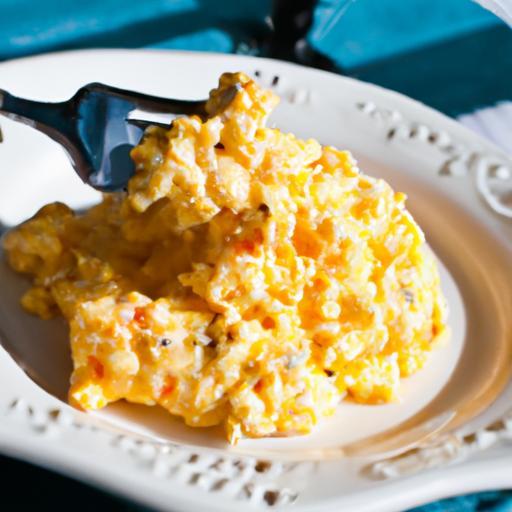
presentation matters too: serving scrambled eggs on toasted artisan bread, beside roasted cherry tomatoes or sautéed mushrooms, creates an inviting plate worthy of any brunch spread. Capture that golden, pillowy texture in your photos to entice readers-use natural light and a close-up shot highlighting the delicate curds and glossy sheen.
Prep and cook Time
- Preparation: 5 minutes
- Cooking: 5-7 minutes
- Total Time: 10-12 minutes
Yield
- Serves 2
Difficulty Level
- Easy
Ingredients
- 4 large fresh eggs
- 2 tablespoons whole milk or heavy cream
- 1 tablespoon unsalted butter
- Sea salt, to taste
- Freshly ground black pepper, to taste
- Optional garnish: 1 tablespoon finely chopped fresh chives or dill
- Optional finishing touch: 1 tablespoon grated aged Parmesan or ricotta cheese
Instructions
- Crack the eggs into a medium bowl. Add the milk or cream and a pinch of sea salt. Using a balloon whisk, beat vigorously for 30 seconds until pale, frothy, and thoroughly combined.
- Heat a nonstick skillet over low to medium heat. Add the unsalted butter and let it melt, swirling to coat the pan evenly without browning.
- Pour the egg mixture into the warm pan. Let it sit undisturbed for 10 seconds until the edges just start to set.
- With a silicone spatula, gently stir the eggs from the edges toward the center in slow folds, allowing soft curds to form. Continue stirring every few seconds, taking care not to overwork them.
- When the eggs are about 80% cooked but still slightly wet and glossy,remove the pan from heat. The residual heat will finish cooking the eggs gently.
- Fold in any optional cheese if desired, then season with additional salt and pepper to taste.
- Transfer immediately to warm plates and garnish with fresh herbs for an eye-catching presentation.
Chef’s Notes
- For a dairy-free option, swap the milk or cream for unsweetened almond or oat milk; keep the butter or use a plant-based alternative.
- Use gentle, slow stirring techniques to avoid breaking the curds too small-this preserves a plush, textured bite.
- If eggs appear dry or overcooked, reduce the heat next time and remove the pan earlier; scrambled eggs continue to cook once off the heat.
- Make-ahead tip: whisk eggs in advance and store tightly covered in the fridge for up to 12 hours for convenience.
Serving Suggestions
Layer your fluffy scrambled eggs atop toasted sourdough or a rustic English muffin for texture contrast.Complement with fresh tomatoes roasted until just blistered, or vibrant sautéed baby spinach tossed with garlic. Sprinkle a scattering of microgreens or edible flowers for an elegant, colorful finish. Accompany the meal with a shining citrus-infused herbal tea or freshly brewed black coffee for a revitalizing start to your day.

| Nutrient | Per Serving |
|---|---|
| Calories | 220 kcal |
| Protein | 14 g |
| Carbohydrates | 2 g |
| Fat | 17 g |
For more culinary inspiration on egg dishes, check out our guide to perfect omelettes. For additional scientific insight into egg chemistry, visit Serious Eats’ clarification of egg cooking.
Q&A
Q&A: Mastering Scrambled Eggs – Tips for Fluffy Perfection
Q: What’s the secret to making scrambled eggs extra fluffy?
A: The fluffiest scrambled eggs start with gentle whisking. Whip your eggs until they’re pale and slightly frothy to incorporate air. Cooking them low and slow helps maintain softness, creating those tender, airy curds everyone loves.
Q: Should I add milk or cream to my eggs for fluffiness?
A: While milk or cream can add richness, adding too much can weigh down the eggs and make them watery. For truly fluffy eggs,a splash of water is often better-it steams the eggs as they cook,enhancing fluffiness without diluting flavor.
Q: What’s the best type of pan to use?
A: A non-stick skillet is your best friend for smooth, creamy scrambled eggs. It prevents sticking and allows you to cook the eggs evenly without scorching. A well-seasoned cast iron can work too, but watch your temperature carefully!
Q: How vital is temperature control?
A: Temperature is key! Cooking scrambled eggs over medium-low heat gives you time to gently coagulate the eggs without drying them out. High heat cooks eggs too fast, resulting in rubbery texture.
Q: Can I use any type of eggs, or does freshness matter?
A: The fresher, the better! Fresh eggs have firmer whites and richer yolks, which contribute to a more luscious scramble. Older eggs might be fine for baking, but for fluffy scrambled eggs, freshness shines through.
Q: Are there any techniques to improve texture while cooking?
A: Absolutely! Stir gently and frequently with a spatula, pushing the eggs from the edges to the center. This encourages soft curds to form rather than an omelet-like set. For an ultra-creamy finish,consider removing the eggs from heat just before they’re fully set; residual heat finishes the cooking perfectly.
Q: How can I personalize my scrambled eggs without losing their fluff?
A: Keep your additions simple and light-chopped herbs, a sprinkle of cheese, or a dash of mild spices work wonders. Add them near the end of cooking to avoid weighing down the eggs or altering the texture too much.
Q: Is it okay to season eggs before cooking, or should I wait?
A: Salting eggs too early can break down their proteins, sometimes resulting in a watery mixture. It’s best to season just before or after cooking for optimal texture and flavor.
Q: What’s a common mistake to avoid when making scrambled eggs?
A: Resist the urge to rush! High heat and overcooking are the enemies of fluffy eggs. Patience and gentle heat yield the creamiest results.
Q: Any final tips for that perfect scramble?
A: Treat your eggs like you would fine custard-low heat, slow cooking, and gentle folding. Use fresh ingredients, season thoughtfully, and savor the process. master these, and your scrambled eggs will be fluffy, dreamy, and utterly irresistible every time.
Key Takeaways
As you embark on your journey to perfect the humble scrambled egg, remember that mastery lies in the gentle dance of heat, timing, and a touch of patience. Each batch is an chance to experiment-whether it’s the addition of cream for silkiness or the careful folding to trap air for fluffiness. With these tips tucked under your apron, your scrambled eggs will no longer be an afterthought but the star of any meal. So crack those shells with confidence, whisk with intention, and savor the simple magic of fluffy perfection. Your breakfast table will thank you.