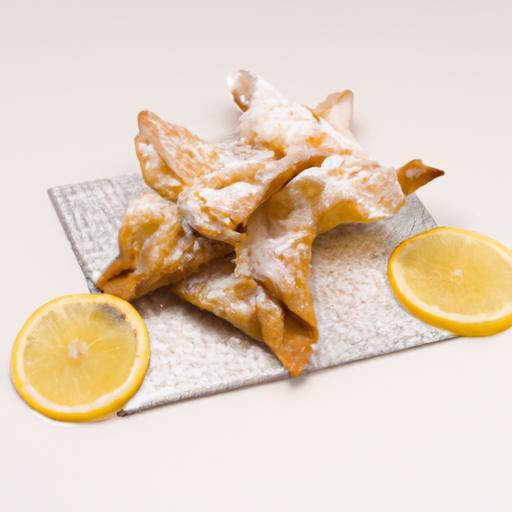

Amidst the sun-drenched landscapes and ancient olive groves of Greece lies a world of flavors waiting to be discovered-one where honey-drizzled layers, flaky phyllo, and fragrant spices tell stories as rich as history itself. Greek pastry is more than just a dessert; it’s a delicate tapestry woven from centuries of tradition, family recipes, and cultural celebration. In this sweet journey thru tradition, we invite you to explore the origins, ingredients, and rituals behind Greece’s most beloved confections, uncovering the timeless art of savoring each bite as a true taste of heritage. Join us as we delve into a world where every pastry is a delicious chapter of Greece’s culinary soul.
Savoring Greek pastry invites you into a world vibrant with centuries-old traditions and layers of rich, bold flavors. These delightful sweets have long held a cherished place at both festive tables and casual moments of indulgence in Greece. Rooted in Byzantine, Ottoman, and Mediterranean influences, Greek pastries boast a unique blend of textures-from crisp, flaky phyllo layers to sticky, honey-soaked cores-that captivate every sense.
When exploring iconic Greek sweets, you’ll find ingredients like fragrant honey, aromatic cinnamon, walnuts, and orange zest, which work harmoniously to define their unmistakable character. Whether you crave the syrupy richness of baklava, the soft, creamy embrace of kalitsounia, or the nutty, cardamom-kissed kourabiedes, these pastries tell stories of culture, celebration, and unparalleled craftsmanship.
Savory Simplicity Meets Sweet Elegance: Prep and cook Time
- Preparation time: 30 minutes
- Cooking Time: 45 minutes
- Total Time: 1 hour 15 minutes
Yield
Approximately 12 servings – perfect for a festive gathering or an intimate afternoon coffee break.
difficulty level
Medium – beginner bakers who embrace patience will find grate satisfaction, while seasoned cooks can savor mastering authentic techniques.
Essential ingredients for Traditional Baklava
- 1 package (16 oz) phyllo dough, thawed overnight in the refrigerator
- 2 cups walnuts, finely chopped
- 1 cup pistachios, chopped (optional for garnish)
- 1 teaspoon ground cinnamon
- 1 cup unsalted butter, melted
- 1 cup water
- 1 cup granulated sugar
- 1 cup honey
- 1 teaspoon lemon juice
- Zest of 1 orange
- 1 teaspoon vanilla extract
Step-by-Step Instructions for Perfect Baklava
- Preheat your oven to 350°F (175°C). Lightly grease a 9×13 inch baking dish with some melted butter.
- Prepare the nut mixture: In a bowl, combine the chopped walnuts, cinnamon, and orange zest. Set aside.
- Arrange the phyllo: Unroll the phyllo dough carefully, covering it with a damp towel to prevent drying. Place one sheet in the baking dish and brush generously with melted butter.
- Layering: Continue layering and buttering 7 more sheets, then evenly sprinkle a thin layer of the nut mixture over the top.
- Repeat layers: add another 8 sheets, brushing each with butter, then top with nuts again. Finish with a final layer of about 8 sheets,buttering each sheet as before.
- Cutting: Use a sharp knife to cut the assembled baklava into diamond or square shapes before baking.
- Baking: Bake for 40 to 45 minutes, or until the baklava is golden and crisp.
- Make the syrup: Meanwhile, in a saucepan, combine water, sugar, honey, lemon juice, and vanilla extract. Simmer over medium heat for about 15 minutes until slightly thickened.
- Finishing touch: Once out of the oven, immediately pour the warm syrup evenly over the hot baklava. Allow it to absorb fully, cooling for at least 4 hours or overnight.
- Serve: Garnish with crushed pistachios and serve at room temperature for that authentic balance of crunch and sweetness.
Chef’s Notes & Tips for Success
- Phyllo dough handling: Always keep the phyllo sheets covered with a damp towel to avoid drying and tearing.
- Butter vs. oil: Using melted unsalted butter enhances the flaky, rich texture; however, melted coconut oil can be a suitable dairy-free choice.
- Nuts variation: Feel free to substitute walnuts with almonds or add pistachios straight into the nut layers for added color and flavor.
- Syrup consistency: The syrup should be warm when poured on hot baklava – this contrast ensures the syrup soaks evenly without making the layers soggy.
- make-ahead tip: Baklava improves with time. Prepare a day ahead and refrigerate to let the flavors fully develop.
Serving Suggestions to Elevate Your Experience
Greek pastries shine best when paired thoughtfully. Serve baklava alongside a cup of strong Greek coffee or a refreshing glass of frappé. Garnish plates with a light dusting of ground cinnamon and a few whole pistachios for visual appeal. for a festive touch, add edible rose petals or a dollop of lightly whipped cream infused with a drop of orange blossom water. Try arranging a variety of traditional sweets like kourabiedes and baklava on Britannica to showcase Greece’s sweet landscape in full.
| Nutrient | Per Serving |
|---|---|
| calories | 320 |
| Protein | 5g |
| Carbohydrates | 35g |
| Fat | 18g |

Q&A
Q&A: Savoring Greek Pastry – A Sweet journey Through Tradition
Q1: What makes Greek pastries unique compared to other Mediterranean desserts?
A1: Greek pastries distinguish themselves through their rich blend of textures, flavors, and history. Unlike many Mediterranean sweets, Greek pastries often marry crispy, flaky phyllo dough with honey, nuts, and fragrant spices like cinnamon and cloves. This combination creates a symphony of crunchy, sticky, and aromatic layers that tell stories passed down from ancient times to modern tables.
Q2: Which traditional ingredients are essential in Greek pastry making?
A2: Key ingredients include buttery phyllo dough, golden honey, crushed nuts (such as walnuts, pistachios, and almonds), fragrant spices, and fresh citrus zest. These elements are carefully combined to create both light and decadently rich pastries that honor centuries of culinary craftsmanship.
Q3: can you name some iconic Greek pastries that are must-tries?
A3: Absolutely! Baklava is perhaps the most famous-multiple layers of flaky phyllo filled with spiced nuts and drenched in honey syrup. Then there’s kataifi, with its shredded phyllo dough wrapping nutty centers, and galaktoboureko, a luscious semolina custard cloaked in crisp phyllo and soaked in sweet syrup. Don’t forget melomakarona-honey-soaked spice cookies often enjoyed during festive seasons.
Q4: How do these pastries reflect greek culture and heritage?
A4: greek pastries are edible expressions of history and hospitality. Their recipes have been lovingly preserved in households and bakeries, symbolizing family traditions, celebrations, and regional diversity. Each bite connects the eater to ancient harvest festivals, religious holidays, and the timeless Greek appreciation for sweetness in everyday life.
Q5: Are Greek pastries suitable for modern dietary preferences?
A5: Many Greek pastries are naturally vegetarian and can be adapted for various needs. For instance, baklava is often made without eggs or dairy, making it friendly for some plant-based diets. Additionally, the emphasis on nuts, spices, and honey offers wholesome alternatives to heavily processed sweets. Creative bakers are also exploring gluten-free phyllo options to make this tradition accessible to more people.
Q6: What tips would you give to someone interested in making Greek pastries at home?
A6: Patience and respect for the ingredients are key! Work with fresh, high-quality phyllo and keep it covered to prevent drying out. Don’t rush layering the dough and nuts; the magic is in the delicate architecture. When pouring syrup, pour it warm over cooled pastry for the perfect soak. And lastly, embrace the experience-Greek pastry making is as much about joy and community as it is indeed about taste.Q7: how can tourists best experience authentic Greek pastries when visiting Greece?
A7: Venture beyond tourist hubs to local bakeries and village celebrations. sampling pastries made by hand in small towns or family-run establishments offers a taste of true tradition, often accompanied by stories from the bakers themselves. Visiting during festivals or religious holidays will reveal the pastries’ cultural importance and variations unique to different regions.
Indulging in Greek pastry is more than satisfying a sweet tooth-it’s savoring a sweet history crafted from generations of love, flavor, and artistry. Whether nibbling on a flaky baklava or dipping a spoon into creamy galaktoboureko, each bite invites you on a delicious journey through time.
In Summary
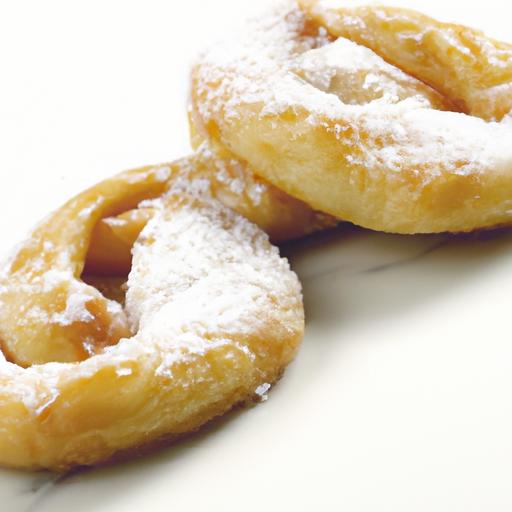
As we close this delicious chapter on Greek pastry,it’s clear that each bite is more than just sweetness-it’s a taste of history,culture,and artistry passed down through generations. From flaky baklava dripping with honey to tender kourabiedes dusted in snow-like powdered sugar, these treats invite us to savor not only their rich flavors but the stories they tell. So next time you find yourself craving something sweet, remember that indulging in Greek pastry is not just a culinary delight-it’s a journey through tradition, one delectable morsel at a time.