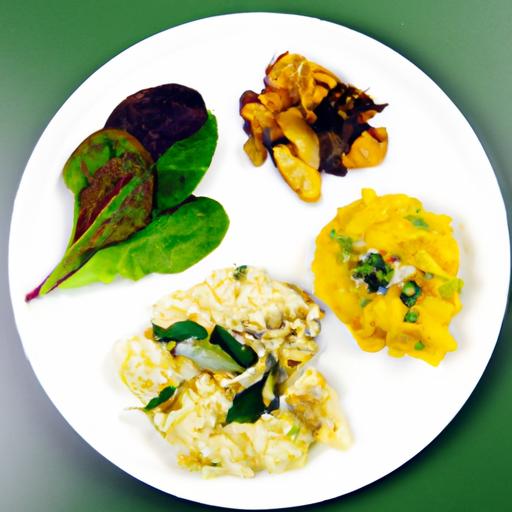




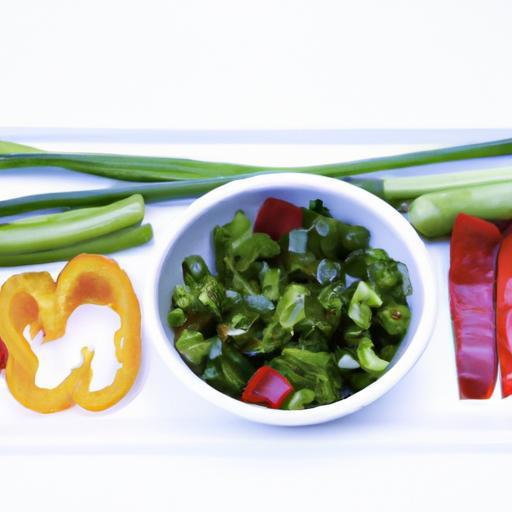

In a world where every penny counts, eating well shouldn’t mean emptying your wallet. Welcome too the art of stretching your dollar with smart and savory budget veggie prep tips that transform humble ingredients into mouthwatering meals. Whether you’re a seasoned cook or just dipping your toes into plant-based cooking, these savvy strategies will help you maximize flavor, minimize waste, and keep your kitchen-and your budget-thriving. Ready to turn simple veggies into culinary gold? Let’s dive in!
Stretch Your Dollar: Smart & Savory Budget Veggie Prep Tips
stretch Your Dollar: Smart & Savory Budget Veggie Prep Tips unlocks the secret to turning humble, seasonal vegetables into vibrant, flavor-packed meals that delight both your palate and your wallet. Embracing the bounty of each season not only guarantees freshness but also ensures you’re getting the best value per bite. From clever storage hacks that keep your vegetables crisp and garden-fresh, to batch cooking techniques designed for busy weeknights, this recipe post is crafted to inspire and empower you to create gourmet plant-based dishes on any budget.
Prep and cook Time
- Planning: 20 minutes
- Cooking: 35 minutes
- Total Time: 55 minutes
Yield
Serves 4 hearty portions
Difficulty Level
Easy to Medium – Perfect for beginner cooks aiming to elevate simple ingredients
Ingredients
- 2 cups seasonal mixed vegetables (carrots, zucchini, bell peppers, and green beans), chopped
- 1 cup cooked chickpeas, rinsed and drained
- 1 medium onion, finely diced
- 3 cloves garlic, minced
- 2 tbsp olive oil
- 1 tsp smoked paprika
- 1/2 tsp ground cumin
- 1/4 tsp crushed red pepper flakes (optional)
- 1 cup cooked quinoa or brown rice
- Salt and freshly ground black pepper to taste
- Fresh parsley for garnish
- Juice of 1/2 lemon
Instructions
- Heat olive oil in a large skillet over medium heat. Add the diced onion and sauté until translucent, about 5 minutes, stirring occasionally to prevent burning.
- Add the minced garlic and cook for another 1 minute until fragrant, being careful not to let it brown.
- Stir in the chopped seasonal vegetables. Sauté until they start to soften and take on a slight caramelized edge, approximately 8-10 minutes.
- Sprinkle the smoked paprika,ground cumin,crushed red pepper flakes,salt,and pepper over the veggies. Toss to coat evenly, allowing the spices to toast and deepen the dish’s flavor.
- Add the chickpeas and cook for 3-4 minutes, stirring gently to combine flavors without mashing the beans.
- Fold in the cooked quinoa or brown rice, stirring until warmed through and every grain is infused with the savory vegetable mixture.
- Remove from heat and finish with a squeeze of fresh lemon juice to brighten the flavors. Adjust seasoning if necessary.
- Plate the dish and garnish with freshly chopped parsley for a pop of color and herbaceous freshness.
Tips for Success
- Experiment with seasonal vegetables depending on what’s abundant and affordable-think roasted beets in fall or sautéed summer squash.
- Store chopped veggies in airtight containers lined with paper towels to absorb excess moisture and keep them crisp longer.
- Batch cook the whole mixture and portion into airtight containers for ready-to-eat meals all week.
- Substitute quinoa with barley or farro for a different texture and nutritional profile.
- For added richness, swirl in a spoonful of tahini or a sprinkle of toasted nuts before serving.
- Want more zing? Add a dash of hot sauce or a sprinkle of sumac for a gourmet twist.
Serving Suggestions
This hearty vegetable and grain skillet shines on its own but can also be served as a bed beneath seared tofu or grilled portobello mushrooms for extra protein. Pair it with a side of crusty whole-grain bread or a simple arugula salad dressed with lemon and olive oil for a balanced meal. Garnishing with fresh herbs, a dollop of plant-based yogurt, or a scattering of toasted pumpkin seeds creates visual appeal and layers of texture – turning everyday vegetables into a feast for your eyes as well.

| Nutrient | Per serving |
|---|---|
| Calories | 320 kcal |
| Protein | 12 g |
| Carbohydrates | 45 g |
| Fat | 7 g |
For more inspiration on smart vegetable preparation, check out our Seasonal Vegetable Recipes. To dive deeper into nutritional benefits and budget-saving tips, visit the USDA’s vegetable guide.
Q&A
Q&A: Stretch Your Dollar - Smart & Savory budget Veggie Prep Tips
Q1: What’s the secret to making veggies cost-effective without sacrificing flavor?
A: The magic lies in smart prep and creative seasoning. Start by buying seasonal produce-it’s fresher and cheaper. Then, embrace batch cooking: roast, sauté, or steam large portions and store them for swift meals.Using herbs, spices, and pantry staples like garlic, lemon, and good-quality oils can turn humble veggies into mouthwatering dishes that don’t break the bank.
Q2: How can I keep vegetables fresh longer to avoid waste?
A: Treat your veggies like guests-give them the right habitat. Leafy greens love a paper towel to absorb moisture in breathable containers,while root veggies thrive in cool,dark spots. Washing just before use instead of before storage also keeps them crisp. Proper storage means fewer trips to the trash bin and more money saved!
Q3: Are frozen vegetables really a good budget-friendly option?
A: Absolutely! Frozen veggies are often picked at peak ripeness and flash-frozen, locking in nutrients and flavor. They can be more affordable than fresh varieties out of season and are incredibly versatile. Toss them straight into soups, stir-fries, or casseroles without worrying about spoilage.
Q4: How can I add variety to my meals without buying a ton of different vegetables?
A: Make your existing veggies work harder by varying your cooking methods and flavor profiles. Turn roasted cauliflower into a creamy puree one day, then a crunchy salad topping the next. Experiment with international spice blends-think smoky paprika,garam masala,or tangy za’atar-to give everyday veggies new life.
Q5: What are some budget-friendly staples every veggie lover should have on hand?
A: Stock your pantry with essentials like dried beans and lentils, canned tomatoes, onions, garlic, and a versatile grain such as rice or quinoa. These items stretch meals, add substance, and complement veggies beautifully.A small investment in spices-cumin, chili flakes, oregano-can elevate simple dishes instantly.
Q6: How can meal prep save money and time with vegetables?
A: Dedicate one day to chopping, cooking, and portioning veggies into containers. Prepped ingredients reduce last-minute dining decisions, curb takeout temptations, and minimize food waste. Plus, having ready-to-use veggies speeds up cooking on busy days, making wholesome meals more attainable and affordable.
Q7: Any tips for turning less popular or ‘ugly’ vegetables into tasty meals?
A: Yes! Imperfect veggies frequently enough come at a discount, and with a little love, they shine. roast them with bold herbs and a drizzle of olive oil to caramelize their natural sweetness. Blend blemished tomatoes into vibrant sauces or soups. Remember, a flavorful sauce or spice blend can transform any veggie from plain to palate-pleasing.
Stretching your dollar while savoring veggies is all about creativity, smart shopping, and thoughtful prep. With these savvy tips, your kitchen can be both a money-saving haven and a flavor-packed sanctuary!
To Conclude
Stretching your dollar while savoring every bite doesn’t have to be a balancing act - with a little planning, creativity, and savvy shopping, you can transform humble veggies into flavorful, budget-friendly meals that nourish both body and wallet.By embracing smart meal prep techniques and making the most of seasonal produce, you not only save money but also reduce food waste and elevate your everyday cooking. So go ahead, equip your kitchen with these savvy veggie strategies, and watch your savings grow alongside your culinary confidence. After all, appetizing, nutritious meals shouldn’t cost a fortune – they should be a feast for both your senses and your savings.