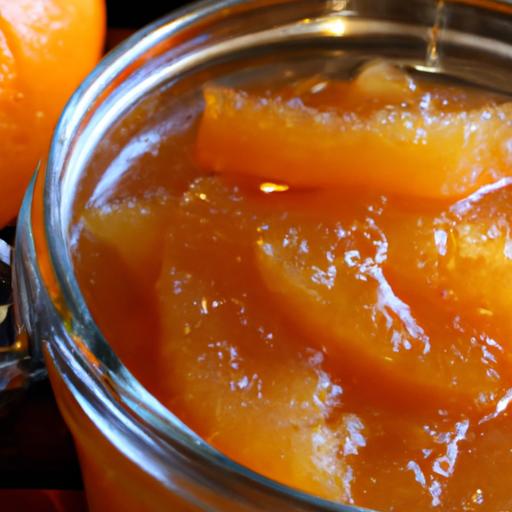




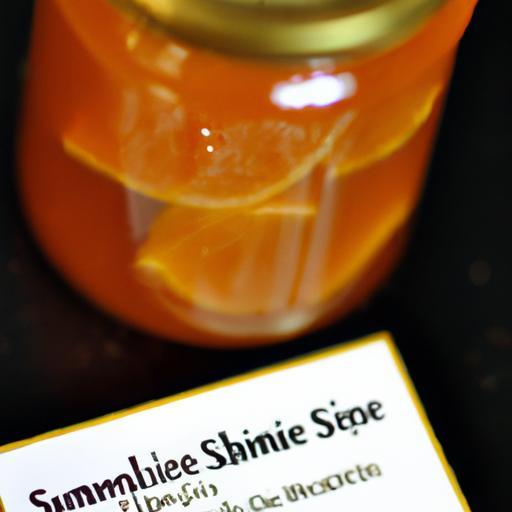

There’s a certain magic in teh way sunlight transforms ripe oranges into golden orbs of sweet, tangy delight – and none capture that essence quite like a jar of homemade orange marmalade. Welcome to Sweet Sunshine: Your Ultimate Orange Marmalade Recipe Guide, where the art of turning citrus into silky, shimmering preserves comes to life. Whether you’re a marmalade novice or a seasoned citrus connoisseur, this guide will illuminate every step-from selecting the juiciest oranges to mastering the perfect balance of bittersweet flavors-so you can bottle a little jar of sunshine that brightens every breakfast and beyond. Ready to stir up some sunshine? Let’s dive in.
Sweet Sunshine begins with the perfect oranges-luminous, fragrant, and bursting with natural oils that promise bold marmalade flavors. Harvesting the freshest fruit is crucial to unlocking that rich, sunny essence that makes homemade marmalade so memorable. Whether sourced from a local farmer’s market or a backyard grove, choosing oranges with thin, tender skins and a balanced sweet-tart profile will elevate your marmalade beyond ordinary spreads.
Prep and Cook Time
- Readiness: 30 minutes
- Cooking: 1 hour 15 minutes
- total Time: 1 hour 45 minutes
Yield
Approximate 6 half-pint jars (about 3 cups) of luscious marmalade
Difficulty Level
Medium – ideal for enthusiastic home cooks ready to explore preserving with confidence
essential Ingredients and Tools for a Seamless Marmalade Experience
- 6 large,ripe oranges (preferably navel or Valencia for a vibrant balance of sweetness and acidity)
- 2 lemons (for acidity and natural pectin)
- 6 cups water
- 6 cups granulated sugar
- Large heavy-bottomed pot (to prevent sticking and scorching)
- sharp knife and chopping board
- Fine mesh sieve or cheesecloth (for straining seeds)
- Mandolin slicer (optional,for even peel slices)
- Thermometer (to monitor setting point,about 220°F / 104°C)
- Sterilized jars with lids (for storing your marmalade safely)
Step by Step Techniques to Achieve the Ideal consistency
- Prepare the fruit: Rinse oranges and lemons thoroughly. Using a sharp knife or mandolin, thinly slice the peel (including the white pith) and set aside. Cut the fruit into segments, then finely chop the flesh, removing seeds as you go. Reserve the seeds in a cheesecloth bundle to add natural pectin.
- Soak the peel: Cover the sliced peel and chopped flesh with 6 cups of water in your pot. Add the bundled seeds. Bring to a gentle boil, then reduce to a simmer and cook for about 45 minutes until the peel is tender and translucent, stirring occasionally.
- Add sugar: Remove the seed bundle.Stir in the sugar until completely dissolved over low heat, then increase to medium-high heat.Boil vigorously, stirring often to prevent scorching.
- Monitor the set: After about 20-30 minutes of boiling, test the marmalade’s consistency by placing a small spoonful on a chilled plate. Push it gently; if it wrinkles and holds shape, it’s ready. Alternatively, monitor with a candy thermometer-aiming for 220°F (104°C).
- Jar the marmalade: Remove from heat and let rest briefly before ladling into sterilized jars. Leave ¼ inch headspace, wipe rims clean, and seal immediately. Allow to cool at room temperature, then refrigerate or store in a cool, dark place.
Creative Twists and Serving Suggestions to Elevate Your Marmalade
Once your Sweet Sunshine marmalade is perfected, the possibilities bloom. Stir a spoonful into Greek yogurt for a fruity morning boost or melt it lightly atop warm buttered croissants for breakfast decadence. For a refined twist, fold marmalade into a glaze for roasted carrots or drizzle over creamy goat cheese and toasted almonds for an elegant appetizer.
Garnish Idea: Fresh mint leaves or a light sprinkle of candied ginger enhance the tangy sweetness beautifully.
Tips for Success
- Choosing Oranges: Avoid overly thick or rough-skinned varieties; thin-skinned navels pack more aromatic oils essential for marmalade’s signature bite.
- Managing Bitterness: Remove visible white pith from some peel slices if you prefer a less bitter finish,but remember some bitterness balances the sweet.
- Natural Pectin: Don’t discard seeds; simmering them in cheesecloth enriches pectin levels, aiding a perfect set without added gelling agents.
- Make-Ahead: Marmalade improves with time. Let jars rest for 2 weeks before opening to deepen flavor complexity.
- troubleshooting: If the marmalade seems too runny, return it to the stove and cook a little longer, stirring constantly. If too firm, gently stir in a splash of warm water and reheat very briefly.
| Nutrient | Amount per 2 Tbsp |
|---|---|
| Calories | 60 kcal |
| Protein | 0.2 g |
| Carbohydrates | 15 g |
| Fat | 0 g |
For even more fruit preservation inspiration, explore our homemade fruit jams guide. To understand the chemistry behind marmalade set and pectin interaction, the University of Maryland Extension’s guide provides an excellent scientific overview.

Q&A
Q&A: Sweet Sunshine - Your Ultimate Orange Marmalade Recipe Guide
Q1: What makes orange marmalade different from other fruit preserves?
A: Unlike jams or jellies, orange marmalade uniquely includes pieces of citrus peel, giving it a delightful balance of sweet and bitter flavors. this interplay of tender fruit and zesty rind creates that signature marmalade texture and complexity, setting it apart from smoother spreads.
Q2: Can I use any type of orange for making marmalade?
A: Absolutely! While Seville oranges are traditional for their bold bitterness and thick peel, sweet oranges, navel oranges, or blood oranges can all be used to create varied flavor profiles. Each variety brings its own vibrant color and distinctive aroma to your batch of marmalade.
Q3: How do I soften the bitterness of the orange peel if it’s too strong?
A: Soaking the sliced peel in cold water for several hours-changing the water a few times-helps leach out some of the bitterness.Another trick is to blanch the peel in boiling water briefly before cooking, which mellows bitterness while preserving that essential citrus zing.
Q4: What’s the secret to achieving the perfect set in homemade marmalade?
A: It’s all about the pectin and the cooking temperature. Natural pectin in the orange peel and pulp gels the marmalade as it cools. Cooking the mixture to around 220°F (104°C) ensures that it reaches the “setting point.” You can test this by placing a spoonful on a cold plate-if it wrinkles when pushed, your marmalade is ready to jar.
Q5: Can I customize the sweetness or tartness of my marmalade?
A: Definitely! Adjust the sugar amount to suit your taste; less sugar lets the natural orange tartness shine,while more sugar creates a sweeter spread. For an extra tangy twist, a splash of fresh lemon juice brightens the flavor and aids in setting.
Q6: How should I store homemade orange marmalade to keep it fresh?
A: Once sealed in sterilized jars, your marmalade will keep in a cool, dark place for up to a year. After opening, store it in the refrigerator and enjoy within a month for the best flavor and texture.
Q7: Beyond toast, where else can I use orange marmalade in cooking or baking?
A: Orange marmalade adds sunny sweetness and depth to a variety of dishes! Try it as a glaze for roasted vegetables, a topping for yogurt or ice cream, stirred into vinaigrettes, or even as a filling in cakes and pastries for a citrusy surprise.
Q8: Is it possible to make marmalade without added sugar?
A: You can experiment with natural sweeteners like honey or maple syrup, but sugar plays a vital role in preservation and the final texture. sugar-free marmalades may not set well and usually require refrigeration and rapid consumption.
Q9: What kitchen tools are essential for making orange marmalade at home?
A: A sharp knife or mandoline for thinly slicing peel,a large heavy-bottomed pot for even cooking,a candy thermometer to monitor temperature,sterilized jars for preserving,and a wooden spoon to stir patiently are key components in your marmalade-making toolkit.
Q10: Any tips for beginners taking on orange marmalade for the first time?
A: Patience is your best friend! Take time to prepare your fruit carefully, watch the cooking temperature closely, and don’t rush the setting test. Remember, each batch teaches you something new, so embrace the process-and the sweet sunshine in every jar!
In retrospect
As the last spoonful of that vibrant, tangy-orange marmalade melts on your palate, you’ll realize that making your own sweet sunshine is more than just a recipe-it’s a celebration of nature’s brightest gift. Armed with this ultimate guide, you’re now ready to transform humble oranges into jars of golden delight that brighten breakfasts and spark smiles. whether spread thick on toast, swirled into yogurt, or gifted to friends, your homemade marmalade is a testament to patience, creativity, and the simple joy of preserving flavor. So peel away, simmer gently, and let your kitchen bask in the warm glow of sweet sunshine all year round.