

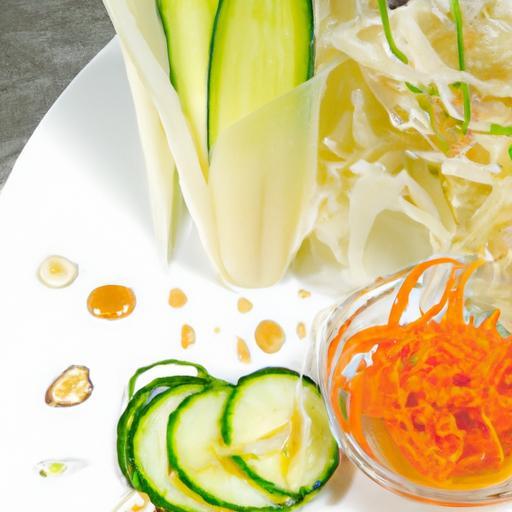

In a world where flavor reigns supreme, pickling has emerged as both an art and a science-transforming humble cucumbers, radishes, and carrots into tangy treasures bursting with crunch and character. Whether you’re a seasoned kitchen alchemist or a curious culinary novice, mastering the crisp, satisfying snap of a perfectly pickled delight is within your reach. Welcome to “Pickling Perfection: A Step-by-Step Guide to Crispy delights,” where we’ll unravel the secrets behind vibrant brines, ideal textures, and preservation techniques that elevate simple produce into sensational snacks.Prepare to embark on a flavorful journey that will awaken your palate and forever change the way you think about pickles.
Pickling Perfection begins with a clear understanding of the science that transforms crisp cucumbers into delightfully crunchy pickles with every tangy bite.The magic lies in selecting the right cucumbers, mastering the balance of brine ingredients, and applying time-tested techniques to keep your pickles fresh and satisfyingly crisp for weeks on end.
Prep and Cook Time
- Planning: 20 minutes
- Pickling & Refrigeration: 3-5 days minimum (for best crunch and flavor)
Yield
- About 4 pint-sized jars (8 cups) of crunchy pickles
Difficulty Level
- Easy to Medium: Perfect for both beginners and seasoned pickling enthusiasts
Ingredients
- 2 lbs fresh Kirby cucumbers, firm and uniform in size
- 4 cups water
- 2 cups distilled white vinegar (5% acidity)
- 3 tbsp kosher salt (pickling or kosher salt, no additives)
- 2 tsp sugar (balances the acidity)
- 4 cloves garlic, peeled and smashed
- 4 tsp dill seeds or 4 sprigs fresh dill
- 1 tbsp black peppercorns
- 1 tsp mustard seeds
- Optional: 1/2 tsp crushed red pepper flakes for a spicy kick
- Optional: Fresh grape leaves or oak leaves (helps preserve crispness)
Instructions
- Choose the freshest Kirby cucumbers, ideally freshly harvested and free of blemishes. For ultimate crispness, soak the cucumbers in ice water for 1-2 hours prior to pickling.
- trim the ends of each cucumber, as the blossom end contains enzymes that can soften pickles. Leave the stem end intact.
- prepare the brine: In a non-reactive saucepan, combine water, vinegar, kosher salt, and sugar. Bring to a gentle simmer, stirring until salt and sugar dissolve completely. Remove from heat and let cool to room temperature.
- Pack the jars: Evenly distribute garlic, dill, peppercorns, mustard seeds, and optional red pepper flakes and leaves into sterilized pint jars. Tightly pack cucumbers vertically to minimize air pockets, pressing lightly without bruising.
- Pour the cooled brine over cucumbers, ensuring they are fully submerged. Leave about 1/2 inch of headspace at the top of each jar.
- Seal the jars tightly with lids. For rapid refrigerator pickles, place the jars in the fridge instantly.For fermented or shelf-stable pickles, follow proper canning procedures using a boiling water bath (refer to trusted sources like National Center for Home Food Preservation).
- Allow the pickles to develop flavor by refrigerating at least 3 days for refrigerator pickles. For deeper flavor and more complexity, wait 5-7 days. Always store pickles in a cool, dark place away from direct sunlight after sealing.
- Enjoy your perfectly crisp and crunchy pickles chilled or as part of your favorite sandwich or salad.
Tips for Pickling Perfection
- Focus on cucumber quality: Choose freshly picked Kirby or Persian cucumbers with firm skin. Avoid overripe or overly large cucumbers which tend to be seedy and soft.
- Salt matters: Use pure pickling or kosher salt. Table salt with additives can cause cloudiness and uneven fermentation.
- The crunch factor: Adding natural crisping agents like grape leaves or oak leaves provides tannins that help maintain firm texture.
- Ice water soak: Soaking cucumbers before pickling plumps up the cells, giving extra crispness after brining.
- Brine balance: Precision is vital-too much salt or vinegar can overpower flavor or hinder crispness. Stick to tested ratios.
- Refrigeration: Keep refrigerator pickles chilled at all times to retain crunch. Avoid temperature fluctuations.
- Trial and tasting: taste your pickles periodically during the process. The perfect balance is personal and can be customized by adjusting spices or fermentation time.
Serving Suggestions
serve your crisp pickles sliced on a charcuterie board, alongside creamy cheeses and crunchy crackers for contrast. They also add a refreshing bite to classic sandwiches or salads, enhancing every bite with their tangy crunch. Garnish with a sprig of fresh dill or a few whole peppercorns for a rustic, inviting presentation.

| Nutrient | Per Serving (1/4 cup) |
|---|---|
| Calories | 10 |
| Protein | 0.3g |
| Carbohydrates | 2g |
| Fat | 0g |
| Sodium | 400mg |
For a deeper dive into fermented pickles and advanced canning methods, check out our complete fermentation guide to elevate your pickling skills even further.
Q&A
Q&A: Pickling Perfection – Your Crispy Delight Companion
Q1: What makes a pickle crispy and how can I achieve that perfect crunch at home?
A1: The secret to a crispy pickle lies in the texture-boosting ingredients and the right brining technique. Using fresh, firm cucumbers ( Kirby cucumbers are ideal) is step one. Next, incorporating natural crisping agents like grape leaves, oak leaves, or even a pinch of calcium chloride helps maintain crunch. Avoid boiling your brine as this can soften cucumbers; instead, dissolve salt and spices in hot water and cool before pouring over your veg. Keep your pickles submerged completely to ensure uniform pickling and crispness!
Q2: Can I pickle vegetables other than cucumbers with similar success?
A2: Absolutely! Pickling is a versatile art. Carrots, green beans, cauliflower, beets, and even watermelon rinds can transform beautifully through pickling. Each vegetable offers a unique texture and flavor profile. Adjust your brine acidity and seasoning to suit the vegetable’s natural sweetness or earthiness. For example, adding mustard seeds and turmeric complements carrots well, while adding garlic and chili can invigorate cauliflower pickles.
Q3: What role does salt play in the pickling process?
A3: Salt is the unsung hero of pickling. It draws moisture out of vegetables creating the perfect habitat for beneficial bacteria during fermentation (if fermenting) or preserves crispness in quick pickling by balancing flavor and inhibiting spoilage. Use a high-quality, non-iodized salt like kosher or pickling salt to avoid cloudiness and unwanted flavors.
Q4: How long should I wait before enjoying my homemade pickles?
A4: This depends on the pickling method chosen. Quick pickles (also known as refrigerator pickles) can be enjoyed within 24-48 hours but develop more complex flavor after a week. Fermented pickles, which rely on natural bacteria to develop tang and depth, typically take 1-4 weeks depending on temperature and recipe. Patience rewards you with layers of flavor-and that delightful crispy snap.
Q5: What tips can help me avoid mushy or soft pickles?
A5: mushy pickles often result from overripe vegetables, insufficient salt, or storage temperatures that are too warm. Always start with fresh, small to medium-sized cucumbers, use the right amount of salt, and keep your pickles refrigerated onc brining is complete (unless fermenting at room temp). Additionally, avoid overcooking or boiling vegetables before pickling – they need to stay raw and firm for maximum crunch.
Q6: Are there any creative flavor twists I can experiment with in my pickling brine?
A6: The pickle playground is vast! beyond classic dill and garlic, try adding spices such as coriander seeds, star anise, cinnamon sticks, or whole cloves for warmth. fresh herbs like tarragon, dill, or basil bring different aromatic notes. For a zesty kick, include sliced ginger or chili flakes. Sweet pickles can be made by adding sugar or honey, balancing the acidity and creating a tangy-sweet contrast.
Q7: What’s the best way to store homemade pickles to maintain their crispiness and flavor?
A7: store pickles in airtight glass jars to preserve freshness and prevent exposure to air which can lead to spoilage or softness. Keep fermented pickles at a cool, dark place during active fermentation, then move to the refrigerator for long-term storage. Quick pickles should be refrigerated immediately. Always use clean utensils to avoid introducing contaminants.
Q8: Can pickling be a healthy addition to my diet?
A8: Definitely! Pickles boast low calories and provide vitamins, minerals, and probiotics (especially if fermented) which aid digestion and overall gut health. Just be mindful of sodium content if you’re on a salt-restricted diet, and enjoy pickles as a flavorful, crunchy snack or addition to meals for that satisfying zing.
With these insights, you’re well on your way to mastering pickling perfection-where each jar bursts with flavor, crunch, and character! Happy pickling!
The Conclusion
As you close the jar on this journey toward pickling perfection, remember that each crisp crunch holds the legacy of patience, precision, and a pinch of creativity. With these step-by-step insights tucked under your belt, you’re not just preserving vegetables-you’re crafting vibrant, tangy delights that awaken the senses and elevate any meal. So gather your cucumbers, dust off those spices, and embark on your own quest for that impeccable bite. After all, the perfect pickle isn’t just a snack-it’s a festivity of flavor, texture, and tradition, preserved one crisp at a time. Happy pickling!