



In the vast universe of culinary delights, few sauces possess the enchanting ability to elevate a dish from ordinary to extraordinary quite like balsamic glaze. This luscious elixir, with its rich, syrupy texture and harmonious dance of sweet and tangy notes, has captured the hearts of chefs and home cooks alike. More than just a drizzle, balsamic glaze is a symphony of flavors that transforms simple ingredients into works of art. Join us as we explore the magic behind this versatile condiment, uncovering how its perfect balance of sweetness and acidity can awaken your palate and reinvent your favorite recipes.
Understanding the Flavor Profile of Balsamic Glaze and Its Culinary Appeal
Balancing sweet and tangy flavors is a culinary art, and balsamic glaze is the perfect embodiment of this harmony. Originating from Modena, Italy, this luscious reduction of high-quality balsamic vinegar captivates with its rich, syrupy texture and a striking contrast of sweet molasses notes intertwined with luminous acidity.As a seasoned culinary content creator and food stylist, I’ve witnessed balsamic glaze transform humble dishes into vibrant masterpieces, making it an indispensable tool in kitchens worldwide.
The magic lies in its complex, velvety body that effortlessly lifts flavors, inviting a layered depth to everything it touches. The glaze’s natural sweetness softens tart edges, while its tangy backbone provides a refreshing zip that awakens your palate.This dual personality is why it pairs so beautifully with savory proteins, fresh fruits, and creamy cheeses. Understanding these nuances allows you to incorporate balsamic glaze with precision and creativity in your cooking adventures.
Tips for Achieving the Perfect Sweet and Tangy Balance in Your Recipes
Mastering the balancing sweet and tangy aspect of balsamic glaze involves subtle adjustments and attentiveness to ingredient quality. When crafting dishes, start with a good-quality balsamic vinegar-aged varieties yield a deeper, sweeter flavor. Be mindful of timing: add the glaze at the end of cooking or as a finishing drizzle to preserve the brightness of acidity without overpowering sweetness.
Keeping balance is also about pairing. Complement balsamic’s inherent sweetness with fresh herbs like thyme or rosemary that add herbal freshness, or contrast it with a hint of spice such as cracked black pepper or chili flakes for complexity. Avoid oversaturating dishes to maintain a clean, bright finish; a little glaze goes a long way.
Creative Pairings That Elevate Dishes with Balsamic Glaze
Balsamic glaze’s versatility invites endless creativity in the kitchen. Here are some inspired pairings to elevate your dishes:
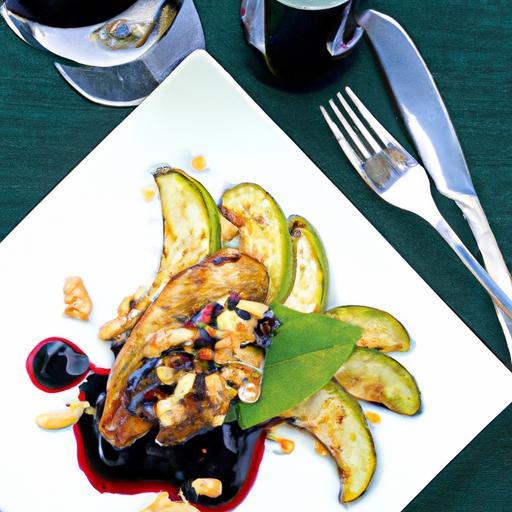
- Grilled Vegetables: Drizzle over charred asparagus or roasted Brussels sprouts for caramelized notes and acidity.
- Fresh Fruits: Enhance the juicy sweetness of strawberries, figs, or peaches with a tantalizing balsamic kiss.
- Cheese Boards: Pair with creamy burrata or aged Parmesan to amplify textural contrasts and umami nuances.
- salads: Use as a base for dressings or a finishing touch on arugula and spinach salads layered with nuts and citrus segments.
- Plant-Based Proteins: Glaze tofu or seitan steaks for a glossy finish and an exciting flavor dimension.
One of my favorite tricks is adding a few drops of high-quality extra-virgin olive oil mixed with balsamic glaze over warm polenta-watch it become irresistible!
Step by Step Guide to Making Homemade balsamic Glaze with Personalized Twists
Nothing beats the satisfaction of creating your own balancing sweet and tangy balsamic glaze at home. This allows you to control sweetness, thickness, and infuse unique flavor accents. The process is remarkably simple and truly rewarding.
Prep and Cook Time
- Prep Time: 5 minutes
- Cook Time: 20 minutes
Yield
- Approximately ¾ cup of balsamic glaze
Difficulty Level
- Easy
Ingredients
- 1 cup high-quality balsamic vinegar
- 2 tablespoons pure honey (or organic maple syrup for a vegan option)
- 1 teaspoon fresh thyme leaves (optional, for an herbal twist)
- Pinch of sea salt to enhance depth
- ¼ teaspoon freshly cracked black pepper (optional for subtle heat)
Instructions
- Pour 1 cup balsamic vinegar into a small saucepan over medium heat.
- Stir in 2 tablespoons honey until fully dissolved.
- Add the optional fresh thyme leaves, sea salt, and black pepper to infuse aromatic complexity.
- Bring the mixture to a gentle boil, then reduce the heat to low and simmer.
- Allow it to reduce, stirring occasionally, until the liquid thickens to a syrupy consistency, about 15-20 minutes. A good test is letting a small amount coat the back of a spoon evenly.
- Remove from heat and strain if you added herbs, then let cool-glaze will continue to thicken as it cools.
- Transfer to a clean jar or bottle, store refrigerated, and use within 2 weeks for optimal freshness.
Chef’s Notes: Tips for Success
- Consistency Check: If your glaze becomes too thick after cooling, whisk in a teaspoon of warm water to loosen it.
- Sweeteners: Adjust honey or maple syrup to taste, balancing sweetness against the natural sharpness of vinegar.
- Flavor Infusions: Try adding a strip of orange zest or crushed garlic during simmering for a different aromatic profile. Remove before bottling.
- Make-Ahead: This glaze stores beautifully, so prepare in advance to save time for weeknight meals or entertaining.
- Choice Vinegars: For a nuanced twist, blend in a small amount of fruit vinegar like fig or cherry-but keep the primary base balsamic.
Serving Suggestions
Drizzle your homemade balsamic glaze generously to visually enchant and flavor amplify:
- Caprese Salad: Layer ripe tomatoes, fresh mozzarella, and basil leaves, then decorate with balsamic glaze swirls and a sprinkle of flaky sea salt.
- Roasted vegetables: Add a zigzag of glaze atop roasted root vegetables to create a glossy finish and complement natural sweetness.
- Grilled Fruit: brush slices of grilled peaches or pineapple with glaze and serve alongside coconut yogurt for summer dessert flair.
- Charcuterie and cheese: Place a small bowl of balsamic glaze with mixed nuts and cured olives as part of a elegant appetizer board.
- Simple Toasts: Spread fresh ricotta on warm sourdough,then top with a drizzle of glaze and crushed pistachios for an elegant snack.
| Nutrient | Per 1 Tbsp Serving |
|---|---|
| Calories | 35 |
| Protein | 0.1 g |
| Carbohydrates | 8 g |
| Fat | 0 g |
For more inspiration on incorporating sweet and tangy elements into your dishes, check out our detailed guide on The Art of savory and Sweet Sauces.
Learn more about the origins and customary production of balsamic vinegar at the official Consorzio Tutela Aceto Balsamico di Modena.

Q&A
Q&A: Balancing Sweet and Tangy - The Magic of Balsamic Glaze
Q1: What exactly is balsamic glaze?
A: Balsamic glaze is a rich, syrupy reduction made by simmering balsamic vinegar until it thickens and sweetens naturally. This process intensifies the vinegar’s complex flavors, transforming it into a luscious drizzle that balances vibrant tanginess with a deep, caramel-like sweetness.
Q2: How does the flavor profile of balsamic glaze differ from regular balsamic vinegar?
A: While traditional balsamic vinegar delivers bright acidity and fruity notes, balsamic glaze offers a concentrated taste where sweetness and tangy sharpness harmonize.The slow reduction softens vinegar’s bite, resulting in a smoother, almost luscious flavor that can enhance dishes rather than overpower them.
Q3: Why is the balance between sweet and tangy so critically important in balsamic glaze?
A: The magic lies in contrast. The sweet caramel undertones mellow the vinegar’s natural acidity, creating a layered complexity on the palate. This equilibrium ensures the glaze complements a variety of ingredients without overshadowing their natural flavors-adding brightness and depth in every drop.
Q4: In what ways can balsamic glaze be used to elevate dishes?
A: Balsamic glaze is a versatile finishing touch. Drizzle it over fresh salads, roasted vegetables, or grilled fruits like figs and peaches for a burst of refined sweetness.It also beautifully accentuates cheeses-from creamy burrata to sharp aged cheddar-and adds a glossy, flavorful shine to dishes like caprese or roasted mushrooms.
Q5: Can I make balsamic glaze at home?
A: Absolutely! Making balsamic glaze at home is simple and rewarding. Just simmer a good-quality balsamic vinegar over low heat until it reduces by half or more, thickening to a syrupy consistency. For a touch of extra sweetness, a little honey or brown sugar can be added, but the glaze’s natural balance shines best with minimal additions.
Q6: How should balsamic glaze be stored to maintain its flavor and texture?
A: Store balsamic glaze in an airtight container at room temperature, away from direct sunlight.Because of its reduced moisture content, it keeps well for several weeks. If it thickens too much over time, gently warm the bottle in a water bath to restore its fluidity.Q7: What makes balsamic glaze a unique ingredient in the kitchen?
A: Its unique allure stems from turning a humble vinegar into a multi-dimensional condiment. Balsamic glaze bridges the gap between sweet and savory, making it an artist’s tool for creating contrast and harmony. Whether enhancing a simple dish or adding a gourmet flourish, it invites creativity and balance to every plate.
Q8: Are there any common mistakes to avoid when using balsamic glaze?
A: Yes-less is frequently enough more. As balsamic glaze is concentrated, overusing it can overwhelm delicate dishes. Treat it as a finishing accent rather than a cooking liquid. Also, avoid heating it too vigorously during cooking as it can become overly thick or bitter, losing its signature balance.
Q9: How does balsamic glaze contribute to the visual appeal of a dish?
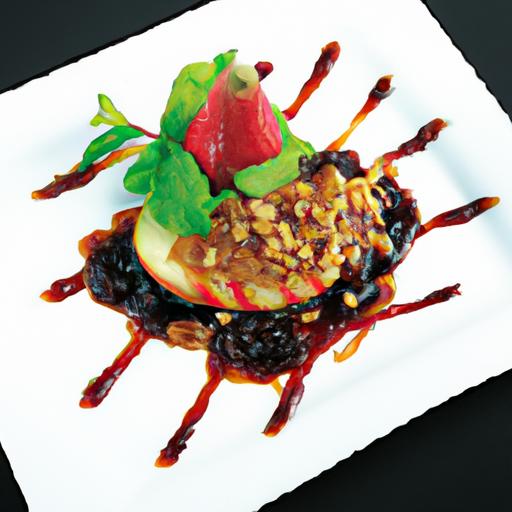
A: Beyond flavor, balsamic glaze adds dramatic contrast with its deep mahogany sheen. Its glossy texture lets chefs paint artistic strokes and droplets,transforming a plate into a visual masterpiece that tantalizes the eyes before the first bite.
Q10: Can balsamic glaze be paired with sweet dishes as well?
A: Definitely! The balance of sweet and tangy makes balsamic glaze a surprising companion for desserts.Try drizzling it over vanilla ice cream, fresh berries, or even chocolate-based treats to introduce a sophisticated twist that elevates sweetness with a hint of zing.
Concluding Remarks
In the dance of flavors that defines great cooking, balsamic glaze waltzes effortlessly between sweet and tangy, turning ordinary dishes into memorable experiences. Its rich, luscious syrup not only enhances but elevates, reminding us that balance is the true magic behind every great bite. Whether drizzled over fresh fruit, roasted vegetables, or a simple cheese plate, balsamic glaze invites us to savor the harmony of contrasting tastes. So next time you seek to transform your culinary creations, let this glossy elixir be your secret partner-where sweetness meets tang, and every meal becomes a masterpiece.