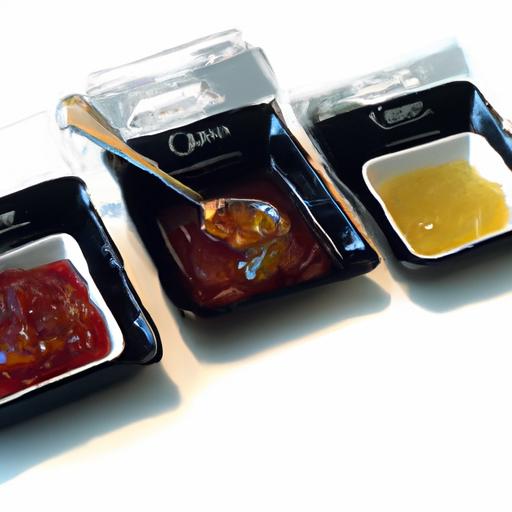


In the delicate dance between fruit and flame, where nature’s sweetest treasures meet the alchemy of heat and time, lies the enchanting world of artisan jams and jellies. Crafting these luscious preserves is far more than a mere kitchen chore-it is a harmonious blend of art and science, tradition and innovation. Each spoonful tells a story of carefully selected fruits, patiently simmered to perfection, and skillfully balanced flavors that capture the essence of seasons past and present. Join us as we explore the captivating journey behind these vibrant spreads, uncovering the meticulous techniques and creative instincts that transform humble harvests into edible jewels bursting with character and charm.
Crafting Flavor: Understanding Fruit Selection and Seasonality for Maximum Flavor
Crafting Flavor is an exquisite journey that begins with the careful selection of fruit-the very heartbeat of artisan jams and jellies. The secret to vibrant, luscious preserves lies in choosing fruits at their peak of ripeness and embracing the natural rhythms of their seasonality. Whether it’s the sun-kissed sweetness of summer berries or the tart brightness of autumn apples, honoring the fruit’s optimal harvest time ensures depth and clarity of flavor in every jar.
Finding the perfect balance of sweetness, acidity, and texture transforms basic homemade preserves into edible treasures. This delicate equation unlocks the true essence of the fruit, marrying natural pectin with sugar and just the right touch of acid to craft that ideal body and mouthfeel. Our adventure in crafting Flavor embraces both time-honored traditions and modern innovations, melding them seamlessly to empower yoru kitchen creativity.
Prep and Cook Time
- Preparation Time: 20 minutes
- Cooking Time: 30 minutes
- Total Time: 50 minutes
Yield
Approximately 4 half-pint jars (8 servings)
Difficulty Level
Medium – perfect for home cooks eager to elevate their preserve-making skills.
Ingredients
- 4 cups fresh seasonal fruit, diced (berries, stone fruit, apples, or hybrid blends)
- 3 cups granulated sugar
- 2 tablespoons freshly squeezed lemon juice (to balance acidity)
- 1 packet (1.75 oz) powdered fruit pectin (adjust for fruit type and ripeness)
- Optional: 1 teaspoon vanilla extract or a few sprigs of fresh herbs like thyme or rosemary for creative flavor enhancement
Instructions
- Prepare the fruit: Wash and thoroughly dry your chosen fruit. Remove stems, seeds, and pits as necessary. Dice the fruit into uniform pieces to ensure even cooking.
- Combine fruit and pectin: In a large, heavy-bottomed pot, mix the prepared fruit with the powdered pectin. Stir gently but thoroughly to incorporate the pectin evenly into the fruit.
- Add sugar and lemon juice: Gradually add the sugar and freshly squeezed lemon juice to the pot. Lemon juice enhances acidity, which is essential for gel formation and brightness in your preserves.
- Cook over medium-high heat: Bring the mixture to a full rolling boil, stirring constantly.This is critical to fully dissolve sugar and activate the pectin. Boil for 1-2 minutes, maintaining a vigorous boil. Avoid stirring after this point to prevent crystallization.
- Test for gel: Use the chilled plate test: place a small spoonful of jam on a cold plate and tilt. If it wrinkles and holds its shape, it’s ready. Or else, boil for another minute and retest.
- optional infusion: At the last minute, add flavor enhancers like vanilla extract or fresh herbs. Stir gently and remove from heat promptly.
- Jar the jam: Carefully ladle the hot jam into sterilized half-pint jars, leaving ¼ inch headspace. wipe rims clean, apply lids, and process in a boiling water bath for 10 minutes to ensure safety and shelf stability.
- Cool and store: Let jars cool undisturbed for 12-24 hours. Check seals before labeling and storing in a cool, dark place.
Tips for Success: Balancing Sweetness, Acidity, and Texture
- Use ripe, quality fruit harvested at peak for sweetness and natural pectin levels.
- Lemon juice is crucial not only for acidity but also for activating pectin. Don’t skip it-even if your fruit is very sweet.
- If your fruit is low-pectin (e.g., cherries, strawberries), consider adding commercial pectin or combining with higher-pectin fruits like apples or citrus peel.
- Keep stirring during the initial boil to prevent scorching; however, reduce stirring once boiling to avoid crystallization.
- Creative twists like adding fresh herbs or spices enhance complexity without overshadowing the fruit’s natural character.
Creative Flavor Combinations
Let your palate roam: try blackberry-lavender for enchanting floral notes,peach-ginger for a spicy zing,or pear-vanilla for elegant subtlety. These combinations awaken new dimensions in traditional jams while maintaining smooth, luscious textures thanks to properly balancing ingredients.
Serving Suggestions
- Spread on warm, buttered artisanal toast for a classic delight.
- Spoon over creamy ricotta or Greek yogurt, topped with toasted almonds or fresh mint.
- Pair with crusty baguette slices alongside a cheese board for refined entertaining.
- Use as a glaze for roasted vegetables or drizzled on cakes and tarts for a fresh fruity finish.
- Garnish jars with rustic twine and a sprig of herbs for gift-worthy presentation.
| Nutrient | Per 2 Tbsp Serving |
|---|---|
| Calories | 50 kcal |
| Protein | 0.2 g |
| Carbohydrates | 13 g (mostly from natural sugars) |
| Fat | 0 g |
For additional insights on selecting the ideal fruit and embracing seasonality, explore our article on Seasonal Fruit Selection Tips. To deepen your understanding of pectin’s chemistry and food safety techniques, refer to this USDA Home Canning Guide.

Q&A
Crafting Flavor: The art and Science of Artisan Jams & Jellies – Q&A
Q1: What distinguishes artisan jams and jellies from mass-produced ones?
A: Artisan jams and jellies are crafted with meticulous attention to detail, often using small-batch methods that emphasize quality over quantity. Unlike mass-produced varieties, artisans select ripe, seasonal fruits, often locally sourced, and apply traditional techniques that preserve natural flavors and textures. This hands-on approach results in vibrant color, authentic taste, and a textured experience that conveys the essence of the fruit itself.
Q2: How does the choice of fruit impact the final flavor profile of a jam or jelly?
A: The fruit is the heart of any jam or jelly. Each fruit brings its own unique balance of sweetness,acidity,pectin content,and aroma. For example,tart berries like raspberries impart brightness and a touch of tang,while stone fruits like peaches offer lush sweetness and floral notes. The ripeness and origin also influence subtle nuances, making every batch distinct. Master artisans often blend fruits or add complementary ingredients to highlight or enhance these natural characteristics.
Q3: What is the role of pectin in jam and jelly making, and how is it naturally sourced?
A: pectin is a natural carbohydrate found in fruit cell walls that helps jams and jellies set by forming a gel with sugar and acid. It acts like nature’s glue that turns liquid fruit into a spreadable delight. Certain fruits such as apples, quinces, and citrus peels are rich in pectin, and artisans frequently enough use them to boost gel strength without artificial additives. Understanding pectin’s behavior is crucial for the perfect texture – firm enough to hold shape, yet soft enough to spread smoothly.
Q4: How do artisans balance sweetness and acidity in their preserves?
A: Sweetness and acidity are a dynamic duo that create harmony and depth. To much sugar can mask delicate fruit flavors, while insufficient sugar might result in a weak set or dull taste. the acidity, often from lemon juice or naturally tart fruits, brightens the jam and balances sweetness. Skilled jam makers taste and adjust meticulously, aiming for a syrupy glaze where sugar elevates but doesn’t overpower, and acid sharpens without sourness.
Q5: Beyond fruit and sugar, what creative ingredients do artisans incorporate to elevate their jams and jellies?
A: Artisans frequently add subtle layers of complexity by introducing herbs (like rosemary or lavender), spices (such as cinnamon, star anise, or ginger), or floral essences (like rose water or elderflower). These additions can transform a simple spread into a sophisticated flavor journey. The key is restraint-enhancing rather than overshadowing the fruit’s natural voice. Some artisans also experiment with textured inclusions like crushed nuts or whole fruit pieces for sensory intrigue.
Q6: What scientific principles are essential during the cooking and preserving process?
A: Temperature control is paramount: overheating can degrade flavor and color, while undercooking prevents proper gel formation. The Maillard reaction, though minimal in jams, can influence caramel notes if sugars are gently browned. Sterilization ensures safety and shelf life by eliminating bacteria. Balancing pH, sugar concentration, and cooking time is a delicate science that artisans master through experience and careful measurement.Q7: How can home cooks approach making artisan-style jams and jellies?
A: Start with the best quality, ripe fruit you can find. Use tried-and-true recipes but don’t be afraid to experiment with combinations that excite your palate.Invest in a good candy thermometer and sterilize jars properly. Taste as you go, adjusting acid and sweetness gradually.Embrace the process as both a craft and a science-patience and intuition are just as significant as precision.
Q8: Are there seasonal considerations when crafting artisan preserves?
A: Absolutely. Seasonality dictates fruit availability and quality. Working with fruit at its peak ensures maximum flavor and natural pectin content. Many artisans follow the calendar of orchard harvests and berry seasons,crafting preserves that celebrate fleeting moments-the first wild strawberry of spring or late autumn’s tart quince. This seasonal rhythm connects the maker and eater to the cycle of nature.
Q9: What storage tips help maintain the flavor and safety of artisan jams and jellies?
A: Once sealed in sterilized jars,jams and jellies should be stored in a cool,dark place. After opening, refrigeration slows spoilage and preserves freshness. Avoid double-dipping utensils to prevent contamination. Properly canned artisan preserves can last a year or more, but their taste is best enjoyed within several months to experience vibrant, fresh flavors.
Q10: How do artisan jams and jellies contribute to culinary creativity?
A: These preserves are versatile building blocks-spread on warm bread, swirled into yogurt, paired with cheeses, or used as glazes for roasted vegetables. They inspire chefs and home cooks alike to rethink sweet and savory boundaries. Each jar is a mini masterpiece of flavor and texture, an invitation to savor the artistry of nature transformed by human hands.
Insights and Conclusions
As we savor the rich tapestry of flavors locked within each jar of artisan jam and jelly, we begin to appreciate these spreads not just as sweet accompaniments, but as harmonious creations born from a delicate dance between tradition and innovation. The artful blending of handpicked ingredients,precise techniques,and a deep understanding of natural chemistry transforms simple fruit into vibrant expressions of taste and texture. Whether drizzled over fresh bread,paired with cheese,or spooned onto desserts,these handcrafted preserves invite us to slow down and celebrate the sensory journey from orchard to table. In crafting flavor, artisan jams and jellies remind us that patience, passion, and a touch of science can turn everyday fruit into edible masterpieces-each jar a story waiting to be savored.