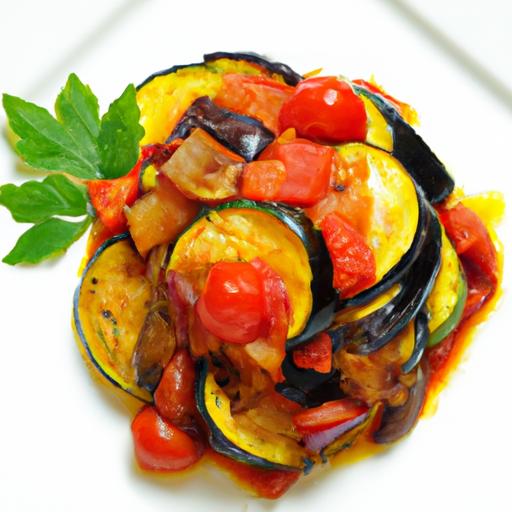




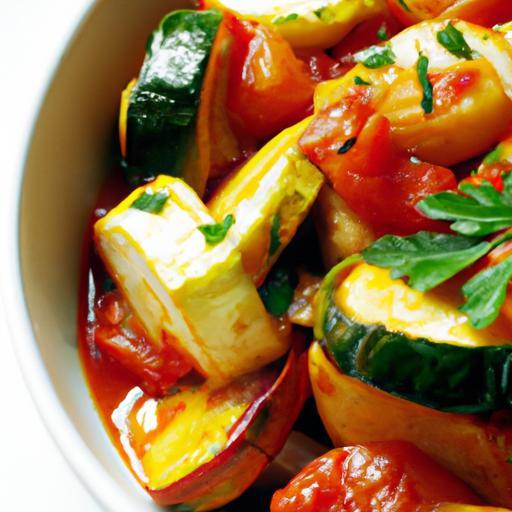

In the heart of Provençal kitchens, where sun-drenched vegetables and fragrant herbs come alive, lies a dish that has transcended generations: the classic French ratatouille. This humble yet vibrant medley of eggplant, zucchini, bell peppers, and tomatoes is more then just a stew-it is a party of seasonal bounty and culinary tradition. Mastering homemade classic ratatouille is an invitation to slow down,savor each step,and transform simple ingredients into a timeless masterpiece. Join us as we unravel the secrets to perfecting this iconic recipe, blending rustic charm with refined technique, and bringing a piece of Southern France to your own kitchen table.
Mastering homemade classic French ratatouille begins with an unwavering commitment to ingredient excellence and technique. This iconic Provençal dish owes its irresistible charm to the freshest vegetables, carefully layered and gently simmered until their vibrant flavors marry in perfect harmony. Each bite offers a celebration of summer’s bounty and centuries of culinary tradition.
Prep and Cook Time
- Preparation: 30 minutes
- Cooking: 1 hour 15 minutes
- Total Time: 1 hour 45 minutes
Yield
- Serves 6 generously
Difficulty Level
- Medium – requires some patience and attention to detail
Ingredients
- 2 medium zucchinis, sliced into 1/4-inch rounds
- 2 medium eggplants, sliced into 1/4-inch rounds
- 3 large ripe tomatoes, thinly sliced
- 1 large yellow onion, finely chopped
- 1 large red bell pepper, diced
- 3 cloves garlic, minced
- 1/4 cup extra virgin olive oil, divided
- 1 teaspoon fresh thyme leaves
- 1 teaspoon fresh rosemary, finely chopped
- Salt and freshly ground black pepper, to taste
- Fresh basil leaves, for garnish
Instructions
- Prepare your vegetables: select vegetables that are firm, vibrant in color, and free from blemishes. Wash and pat dry thoroughly,then slice the zucchinis,eggplants,and tomatoes evenly into 1/4-inch rounds. Consistent thickness ensures even cooking and a gorgeous presentation.
- Salt the eggplant: Lay the eggplant slices on a rack or paper towels and sprinkle both sides lightly with salt. Let sit for 20 minutes to draw out bitterness and excess moisture. Rinse and pat dry to avoid a soggy dish.
- Sauté the aromatics: In a large skillet, warm 2 tablespoons of olive oil over medium heat. Add chopped onion and red bell pepper, cooking until softened but not browned, about 7-8 minutes. Stir in the minced garlic, thyme, and rosemary, cooking 1 more minute until fragrant.
- Create the sauce base: Transfer the sautéed mixture to your baking or ovenproof dish, spreading evenly to form a flavorful bed for your layered vegetables.
- Layering the vegetables: Arrange zucchini, eggplant, and tomato slices alternately in concentric circles or rows over the sauce base. Overlapping the slices slightly creates a stunning mosaic. Drizzle the remaining olive oil over the top, and season generously with salt and pepper.
- Slow simmer in the oven: Cover the dish with parchment paper or foil, then bake at 325°F (160°C) for about 1 hour. This gentle heat breaks down the vegetables slowly, allowing each element to meld into a rich, aromatic medley without losing their shape or texture.
- Finishing touches: Remove the cover and bake an additional 10-15 minutes uncovered. the vegetables should be tender but still hold structure, and the top slightly caramelized and golden.
- Rest and garnish: Let the ratatouille rest for 10 minutes before serving. Garnish with fresh basil leaves for a fragrant burst of herbal brightness that complements the deep, slow-cooked flavors.
Tips for Success
- Ingredient freshness is paramount: whenever possible, source your zucchinis, eggplants, and tomatoes from a local farmer’s market or your garden. The intensity of flavor in fresh produce transforms the dish.
- Uniform slicing: Use a mandoline slicer for consistent thickness and even cooking, enhancing both texture and visual appeal.
- Customize your herbs: Lavender, oregano, or marjoram also pair beautifully with ratatouille and reflect regional variations.
- Make-ahead advantage: Ratatouille tastes even better the next day after the flavors have fully developed. Prepare it a day ahead and gently reheat to serve.
- For added richness: finish by drizzling a quality aged balsamic vinegar or a dollop of basil pesto just before serving.
Serving Suggestions and Pairings
Serve your vibrant ratatouille as a centerpiece vegetable side dish alongside classic French staples such as crusty baguette or creamy polenta. It harmonizes beautifully with roasted chicken, grilled fish, or even a rustic lamb stew. A sprinkle of crumbled goat cheese or a dollop of tangy Greek yogurt adds a luscious contrast that elevates each bite.
For an elegant presentation, gently pile slices onto warmed plates and drizzle a little of the cooking juices over the top, garnishing with fresh basil or thyme sprigs. A light drizzle of extra virgin olive oil right before serving refreshes the textures and intensifies aromas.
| Nutrient | Per Serving |
|---|---|
| Calories | 140 kcal |
| Protein | 3 g |
| Carbohydrates | 18 g |
| Fat | 7 g |

Read more about classic French vegetable stews and deepen your culinary skills. For detailed historical context and Provençal nuances, visit Britannica’s Ratatouille entry.
Q&A
Q&A: Mastering Homemade Classic French Ratatouille: A Timeless Recipe
Q1: What exactly is ratatouille, and why is it considered a timeless French dish?
A1: Ratatouille is a vibrant vegetable stew originating from Provence, in the south of France. It’s a celebration of summer’s bounty-zucchini, eggplant, bell peppers, tomatoes, onions, and herbs-slowly cooked to create a harmonious medley of flavors. Timeless because it captures the essence of rustic French cooking, highlighting simple ingredients transformed into a dish rich in history, culture, and soulful taste.Q2: What are the key vegetables and herbs that define a classic ratatouille?
A2: Classic ratatouille shines with eggplants, zucchinis, bell peppers, and ripe tomatoes as its star vegetables. onions and garlic bring depth, while fresh herbs like thyme, rosemary, and bay leaves infuse an aromatic complexity. A generous drizzle of olive oil ties it all together with a silky richness.
Q3: How do you achieve the perfect texture in ratatouille? Should the vegetables be cooked all together or separately?
A3: This is where mastery comes into play! Cooking vegetables separately allows each to reach its ideal tenderness without turning mushy.For example,eggplants soak up oil and become creamy,zucchinis stay slightly firm,and peppers soften delicately. Combining them toward the end lets the flavors meld beautifully without sacrificing texture.This method respects each vegetable’s character and uplifts the dish’s overall balance.
Q4: Can ratatouille be served cold, or is it best enjoyed warm?
A4: Ratatouille is versatile! Served warm, it’s comforting and reminiscent of a cozy French countryside meal. When chilled, its flavors sharpen and intertwine in a refreshing way, making it a delightful summer side dish or a vibrant salad topper. Both options offer a unique tasting experience, so feel free to enjoy it however you prefer.
Q5: Are there any tips to enhance the flavor profile without overpowering the dish’s rustic charm?
A5: Absolutely! Use the freshest, ripest vegetables you can find-they’re the heart of ratatouille. Slow, gentle simmering with good-quality olive oil and fresh herbs releases their natural sweetness and aroma.Avoid over-salting early on; instead, season gradually.A final touch of freshly cracked black pepper and a sprinkle of finely chopped fresh basil just before serving can be the magic that elevates your dish.
Q6: How can someone personalize their ratatouille without straying too far from the classic recipe?
A6: Feel free to play with texture contrasts by adding finely chopped carrots or gently sautéed mushrooms, while keeping the core vegetables intact. If you love a little zing, a pinch of red pepper flakes brings subtle warmth. Using different fresh herbs like tarragon or marjoram can add a unique twist while still honoring the dish’s Provençal roots.
Q7: What are some customary and modern ways to serve ratatouille?
A7: traditionally,ratatouille accompanies rustic breads,grilled potatoes,or is served alongside hearty stews. It can also be a delicious topping for creamy polenta or a bed for roasted chicken. Modern interpretations use ratatouille as a vibrant filling for savory tarts or as a wholesome vegetarian main with a side of fluffy couscous or quinoa.
Q8: How long can homemade ratatouille be stored, and does its flavor improve over time?
A8: Stored in an airtight container in the fridge, ratatouille keeps well for up to 4-5 days. Like manny stews and slow-cooked dishes, its flavors deepen and marry beautifully overnight, making leftovers often taste even better the next day. For longer storage, it can be frozen and gently reheated while preserving its comforting essence.
Q9: Is ratatouille suitable for special diets or meal plans?
A9: Definitely! Ratatouille is naturally vegan and gluten-free, loaded with fiber and antioxidants, making it an excellent choice for many dietary lifestyles. It’s a colorful,nutrient-rich option that fits beautifully into vegetarian,vegan,and clean-eating meal plans.
Q10: Can ratatouille inspire creativity in the kitchen beyond the traditional recipe?
A10: Without a doubt. Ratatouille is a canvas for culinary creativity. Its foundational ingredients and technique encourage experimentation-layering vibrant veggies in a visually stunning tian,turning it into a silky soup,or even blending it into rich spreads. each variation honors the spirit of the original while inviting personal expression.It’s a timeless recipe that welcomes innovation with open arms.
to sum up
As the fragrant aromas of simmered vegetables fill your kitchen, mastering the art of homemade classic French ratatouille becomes more than just following a recipe-it transforms into a timeless culinary ritual. this dish, with its vibrant medley of fresh produce and harmonious flavors, invites you to slow down, savor the simplicity, and celebrate the essence of Provençal cooking. Whether served as a hearty main or a colorful side, your perfected ratatouille is a tribute to tradition and a testament to the beauty of home-cooked meals. Embrace the journey, and let every bite transport you to the sun-drenched hills of southern France, where timeless recipes like this one continue to inspire and delight.