


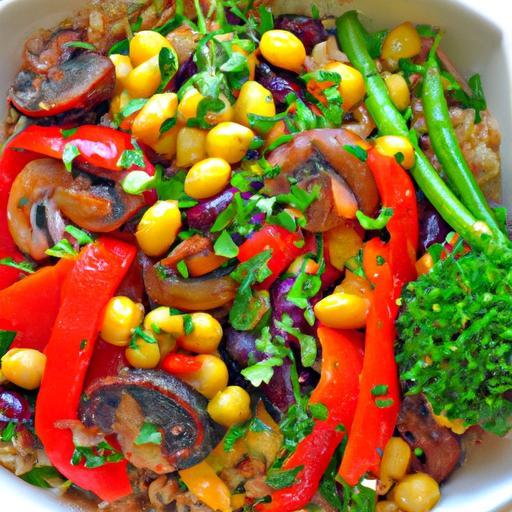

In a world that never slows down, finding time to prepare wholesome, satisfying meals can feel like a daily challenge. Enter plant-powered prep: a vibrant, delicious way to fuel your week with easy-to-make vegetarian dishes that don’t just nourish your body but also ignite your culinary creativity. Whether you’re a seasoned herbivore or simply looking to add more greens to your plate, embracing these simple, flavorful recipes can transform mealtime from a rushed chore into a joyful ritual. Join us as we explore how a little planning and a lot of plants can pave the way to a week full of energy, health, and taste buds tingling with delight.
Choosing Nutrient-Rich Ingredients to Boost Your vegetarian Meal Prep
Plant-Powered Prep thrives on the vibrant hues and rich textures of whole vegetables, legumes, grains, and seeds, ensuring every bite delivers maximum nutrition and flavor. Embracing nutrient-dense ingredients not only fuels your body with essential vitamins and minerals but also keeps your meals satisfying and energizing throughout the week. Think leafy greens bursting with iron and antioxidants,hearty beans packed with protein,and ancient grains loaded with fiber-all carefully selected to create balanced,plant-based dishes that nourish deeply.
For instance, kale and spinach add a fresh, slightly earthy punch to salads and sautés, while sweet potatoes offer comforting sweetness along with beta-carotene. Incorporate vibrant bell peppers for their vitamin C boost, and don’t overlook the humble chickpea-the superstar ingredient in countless vegetarian recipes, contributing both texture and a creamy, nutty flavor. Prioritize organic and locally sourced produce where possible to enhance freshness and environmental sustainability.
Batch Cooking Basics for Flavorful and Time-Saving Plant-Based Dishes
Mastering batch cooking is a game-changer for anyone following a vegetarian lifestyle. It transforms your kitchen sessions into productive, stress-free events that fuel your entire week. Start by selecting recipes with components that hold up well in the fridge or freezer, such as roasted vegetables, grain bowls, and well-seasoned legumes.
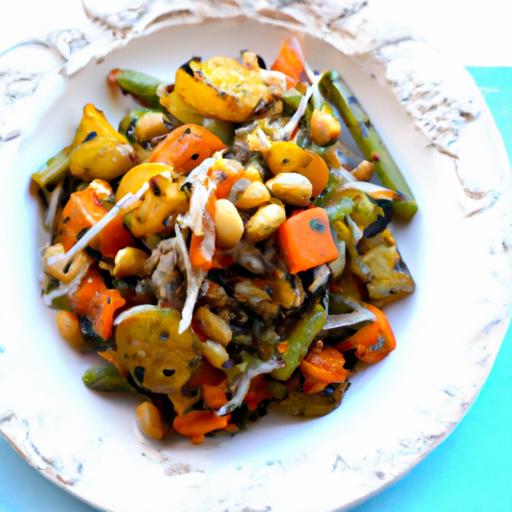
Such as, roasting a large tray of mixed vegetables concurrently-carrots, zucchini, and eggplant tossed with olive oil and aromatic herbs-layered with slowly simmered lentils makes assembling bowls effortless later on. Use airtight containers in portion sizes that accommodate your daily meals, and consider mixing and matching pre-cooked elements to keep things exciting.
Additionally, invest time in preparing sauces or dressings, like tahini-based lemon drizzle or spicy tomato chutney, which will elevate your meals instantly. Batch cooking smartly saves time while encouraging variety,helping you stick to your plant-powered prep ambitions without sacrificing flavor or nutrition.
Creative Ways to Incorporate Seasonal Vegetables into Your Weekly Menu
Seasonality is the secret ingredient that intensifies taste and reduces carbon footprint. with spring’s tender asparagus,summer’s juicy tomatoes,autumn’s earthy squash,or winter’s robust cabbage,you gain an endless palette for culinary creativity. Rotate your vegetables weekly based on what’s freshest at the market to keep textures and flavors dynamic.
Try spiralizing summer zucchini for a light noodle base tossed in herbaceous pesto or layering roasted pumpkin in grain bowls with tangy pickled onions. Incorporate seasonal greens as a bright counterpoint to creamy coconut-based curries or fold finely shredded cabbage into crunchy slaws paired with toasted pumpkin seeds.
Engage your senses: slice, dice, roast, pickle, or steam. Think color, texture, and aroma.Infuse your meals with the essence of the season, and watch how a simple swap turns routine lunches into vibrant, memorable experiences.
Smart Storage tips to Keep Your Vegetarian Meals Fresh and Delicious
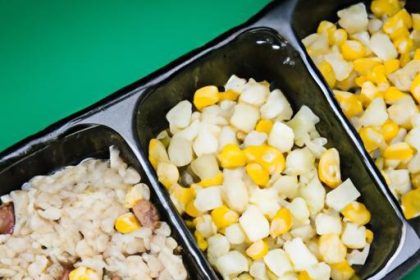
Preserving the integrity of your plant-powered prep requires smart storage strategies. Begin with cooling cooked ingredients wholly before sealing them in the fridge to avoid condensation and bacterial growth. Use glass containers with divided sections to separate grains, vegetables, and sauces, limiting moisture transfer and preventing sogginess.
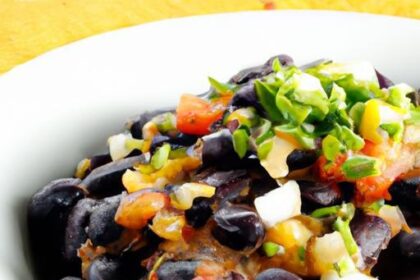
Label containers with preparation dates and intended use-by times-for example, roasted veggies typically shine for 4-5 days refrigerated, while cooked beans can last up to a week. Freezing portions individually not only extends shelf life but also keeps flavors fresh. Freeze cooked quinoa or black bean patties on a parchment-lined tray,then transfer them to a freezer-safe bag for easy thawing.
Reheat gently to maintain texture-steaming or warming in a skillet with a splash of water or broth keeps ingredients moist without compromising their natural flavors.Following these practices, you’ll enjoy fresh-tasting vegetarian meals every single time.
Roasted Chickpea and Seasonal Vegetable Bowl
Plant-Powered Prep reaches new heights of wholesome satisfaction with this colorful Roasted Chickpea and Seasonal Vegetable Bowl. Inspired by Mediterranean flavors and packed with vibrant colors, this dish balances nutty chickpeas, fresh herbs, and the seasonal vegetables of your choice, all tied together with a zesty lemon tahini dressing.
Prep and Cook Time
- Prep time: 15 minutes
- Cook Time: 30 minutes
- Total Time: 45 minutes
Yield
4 hearty servings
Difficulty Level
Easy
Ingredients
- 2 cups cooked chickpeas (or 1 can, drained and rinsed)
- 1 large sweet potato, peeled and diced into ½-inch cubes
- 1 red bell pepper, sliced into strips
- 1 small zucchini, sliced into half-moons
- 1 cup cherry tomatoes, halved
- 2 tablespoons olive oil
- 1 teaspoon smoked paprika
- 1 teaspoon ground cumin
- Salt and freshly ground black pepper, to taste
- 3 cups cooked quinoa, cooled
- 1 cup baby spinach leaves
- ¼ cup fresh parsley, chopped
- For the lemon tahini dressing:
- ¼ cup tahini
- Juice of 1 lemon
- 1 tablespoon maple syrup
- 1 garlic clove, minced
- Water to thin, as needed
- Salt to taste
Instructions
- Preheat the oven to 425°F (220°C). line a baking sheet with parchment paper.
- Toss the diced sweet potato, bell pepper, zucchini, and cherry tomatoes with 1 tablespoon of olive oil, smoked paprika, cumin, salt, and pepper.Spread the vegetables out in a single layer on the baking sheet.
- In a bowl, gently toss the chickpeas with the remaining 1 tablespoon of olive oil, a pinch of salt, and pepper.
- Roast the vegetables and chickpeas together on separate baking sheets if possible, or space evenly on one tray, for 25-30 minutes, stirring halfway through, until the vegetables are tender and chickpeas are golden and slightly crisp.
- While roasting, prepare the dressing: whisk together tahini, lemon juice, maple syrup, garlic, and salt.Add water tablespoon by tablespoon until the dressing reaches a smooth, pourable consistency.
- Assemble the bowls: divide cooked quinoa and spinach between four bowls. top with the warm roasted vegetables and chickpeas. Drizzle generously with lemon tahini dressing and sprinkle with chopped parsley.
- Serve immediately, or pack in meal prep containers for up to 5 days refrigerated.
Chef’s notes
- Swap the sweet potato for butternut squash or carrots depending on season and preference.
- try adding a handful of toasted pumpkin seeds or walnuts for extra crunch and omega-3 fatty acids.
- This bowl can be enjoyed warm or cold-perfect for meal prep versatility.
- Store the dressing separately if packing to avoid soggy veggies.
- For a protein boost, sprinkle with crumbled feta or add a hard-boiled egg (omit if vegan).
Serving Suggestions
This dish shines with a crisp side salad of mixed greens and cucumber or wrapped inside whole-wheat pita pockets for a satisfying lunch.Garnish with lemon wedges and a sprinkle of sumac or za’atar for an extra layer of aromatic complexity. A refreshing mint tea or sparkling water with a splash of lime pairs beautifully to complete the meal.
| Nutrient | Per serving |
|---|---|
| Calories | 420 kcal |
| Protein | 15 g |
| Carbohydrates | 58 g |
| fat | 12 g |

For more inspiration on grain bowls and nutrient-dense meal ideas,check our Vegetarian Grain Bowls Guide. To deepen your understanding of nutritional needs on a plant-based diet, visit the Healthline Plant-Based Nutrition Guide.
Q&A
Q&A: Plant-Powered Prep: Easy Vegetarian Meals for the Week
Q1: What is the main benefit of planning vegetarian meals for the week?
A1: Planning vegetarian meals ahead of time helps you save precious time during busy weekdays, reduces stress around mealtime decisions, and ensures you get a balanced intake of nutrients from a variety of plant-based sources. Plus, it’s a fantastic way to embrace more wholesome, vibrant foods that fuel your body and delight your taste buds.
Q2: how can I make vegetarian meal prep both easy and exciting?
A2: Keep a joyful mix of versatile staples like beans,grains,leafy greens,and fresh vegetables in your kitchen. Batch cook elements such as grains and legumes early in the week, and experiment with bold herbs, spices, and sauces to transform simple ingredients into exciting dishes. Creativity in seasoning and presentation turns every meal into a culinary adventure.
Q3: What are some quick protein-packed vegetarian ingredients ideal for meal prep?
A3: Lentils, chickpeas, tofu, tempeh, quinoa, and Greek yogurt are all excellent, protein-rich foods to include. These ingredients hold up well when cooked in advance and combine easily with veggies and grains for balanced, satisfying meals.
Q4: Can vegetarian meal prep support weight management?
A4: Absolutely! Plant-powered meals tend to be rich in fiber, vitamins, and minerals while frequently enough being lower in calories than heavily processed foods. By preparing balanced dishes loaded with vegetables, whole grains, and legumes, you nourish your body efficiently and can better maintain or reach your health goals.
Q5: How do I keep vegetarian dishes flavorful and avoid monotony?
A5: Variety is your secret weapon.Rotate your greens, switch up your whole grains between brown rice, farro, or millet, and experiment with different cooking techniques like roasting, sautéing, and steaming. Using diverse spices-think smoked paprika, cumin, turmeric-and fresh additions like citrus zest or herbs breathe new life into everyday meals.
Q6: What are some simple vegetarian lunches perfect for on-the-go?
A6: Mason jar salads layered with crunchy veggies and hearty grains, grain bowls with roasted vegetables and tahini drizzle, or wraps filled with hummus, fresh greens, and grilled veggies are all portable, nourishing options. These meals store well and keep their delicious crunch and texture even after a few hours.
Q7: Is it possible to enjoy vegetarian comfort food during the workweek?
A7: Yes! Comfort food doesn’t have to mean heavy or meat-centric dishes. Think creamy butternut squash pasta, chickpea ”meatballs” in marinara, or loaded baked sweet potatoes topped with black beans and avocado. These meals offer nostalgia and indulgence with the freshness and wholesomeness of plants.
Q8: What kitchen tools can ease the vegetarian meal prep process?
A8: A good quality chef’s knife, a sturdy cutting board, a slow cooker or instant pot, and reusable storage containers make a world of difference.These tools speed up chopping, cooking, and storing, simplifying your workflow and helping keep your kitchen organized and efficient.
Q9: How can leftovers be creatively repurposed in a vegetarian meal plan?
A9: Leftover roasted veggies can become the star in a grain bowl or blended into a creamy soup.Cooked legumes can be turned into falafel or patties, and extra grains make a delightful base for a fresh salad topped with seasonal produce. This approach minimizes food waste and keeps mealtime inspiring.Q10: What tips do you have for someone new to vegetarian meal prepping?
A10: Start small by choosing two or three recipes to master in a week. Focus on seasonal produce, keep ingredients simple, and build meals around your favourite flavors. don’t be afraid to make mistakes-they’re part of the delicious learning process-and remember that each prep session strengthens your plant-powered prowess!
Future Outlook
As you embark on your plant-powered prep journey, remember that vegetarian meals don’t have to be intricate or time-consuming. With a little planning and creativity, you can transform simple ingredients into vibrant, nutritious dishes that fuel your week with ease and flavor. Whether you’re a seasoned herbivore or just dipping your toes into meatless meals, these easy recipes prove that eating green can be both satisfying and stress-free.So stock your pantry, sharpen your knives, and get ready to savor the colorful bounty of plant-powered living-one delicious meal at a time.