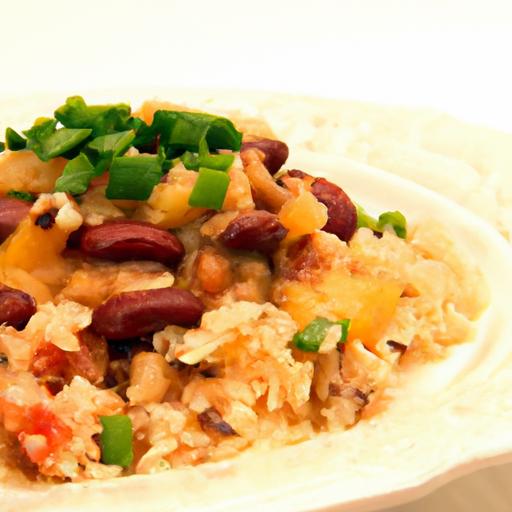



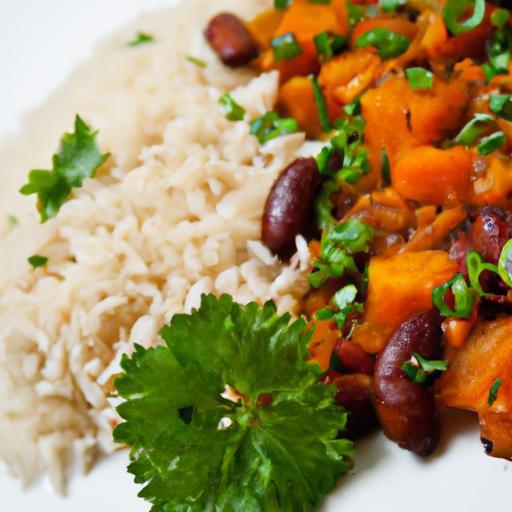

Rice and beans: two humble ingredients that, when combined, create a culinary harmony celebrated across continents and cultures. This timeless duo has fed generations, transcending borders and socioeconomic divides to become a staple on tables worldwide. Beyond their simplicity lies a powerful nutritional partnership-each perfectly complementing the other’s strengths, crafting meals that are as nourishing as they are comforting. In this article, we explore the rich history, cultural importance, and unparalleled health benefits of rice and beans, revealing why this classic pairing continues to sustain and inspire people around the globe.
Rice and Beans: A Timeless Duo Nourishing the World
Rice and beans form the cornerstone of countless culinary traditions around the globe, a nutritional powerhouse that not only offers a perfect balance of protein, fiber, and essential vitamins but also tells an evocative story of cultural heritage and shared human experience.Whether simmered slowly in Caribbean spices, or served simply with a squeeze of lime in Latin America, this humble yet hearty pairing delivers nourishment and comfort like no other.
Prep and Cook Time
- Planning Time: 15 minutes
- Cooking Time: 45 minutes
- Total Time: 1 hour
Yield
Serves 4 hearty portions
Difficulty Level
Easy – perfect for cooks of all skill levels!
Ingredients
- 1 cup long-grain white rice, rinsed until water runs clear
- 1 cup dried black beans, soaked overnight and drained
- 4 cups vegetable broth (or water for a lighter flavor)
- 1 medium onion, finely chopped
- 3 cloves garlic, minced
- 1 teaspoon ground cumin
- 1 teaspoon smoked paprika
- 1/2 teaspoon dried oregano
- 1/4 teaspoon crushed red pepper flakes (optional, for mild heat)
- 2 tablespoons olive oil
- Salt and freshly ground black pepper, to taste
- Fresh cilantro, chopped, for garnish
- 1 lime, cut into wedges for serving
Instructions
- Prepare the beans: Drain the soaked black beans and place them in a pot with 3 cups of water or broth. Bring to a boil, then reduce heat to simmer. Cover and cook until tender, about 30-40 minutes. Add salt in the last 10 minutes of cooking to avoid toughening the beans.
- Flavor the base: In a large skillet or saucepan, heat olive oil over medium heat. Add the finely chopped onion and sauté until translucent, about 5 minutes.Stir in minced garlic and cook for an additional 1 minute, releasing fragrant aromas without allowing garlic to brown.
- Spice it up: add cumin, smoked paprika, oregano, and crushed red pepper flakes to the sautéed onion and garlic. Stir constantly for 1-2 minutes until spices bloom and become deeply aromatic.
- Add rice and liquids: Stir the rinsed rice into the seasoned onion mix, coating the grains with the spices and oil. Pour in 4 cups vegetable broth and bring the mixture to a gentle boil. Season with salt and pepper to taste.
- Simmer and combine: Cover the pot, reduce heat to low, and let the rice cook undisturbed for 15 minutes. Simultaneously occurring, once beans are tender, drain any excess liquid and gently fold them into the rice. Cover again and continue cooking for 5-7 more minutes,allowing the flavors to marry perfectly.
- Final touches: remove from heat and let the pot rest, covered, for an additional 5 minutes for optimal fluffiness. Fluff the rice and beans gently with a fork and stir in fresh chopped cilantro.
Chef’s Notes & Tips for Success
- Bean alternatives: Use kidney beans, pinto beans, or chickpeas for variation without losing the nutritional balance.
- Make ahead: Cook beans in advance and refrigerate or freeze for quicker meal prep on busy days.
- Rice types: Try brown rice or jasmine for distinct texture and flavor profiles; just be sure to adjust cooking times accordingly.
- Boost flavor: Add smoky chipotle peppers in adobo or coconut milk while cooking for tropical flair and depth.
- Managing moisture: Avoid lifting the lid during cooking to prevent steam escape and ensure perfectly fluffy rice.
Serving Suggestions
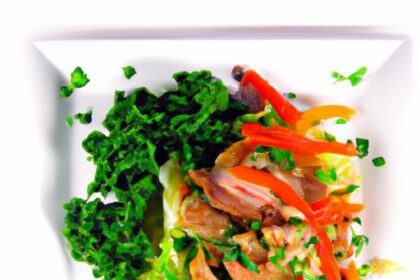
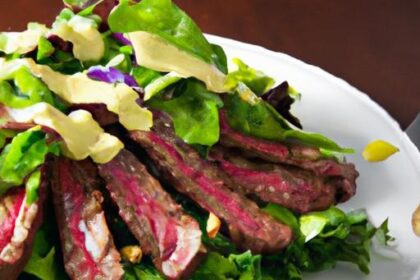
This classic rice and beans dish shines when plated with vibrant, fresh accompaniments. Consider a crisp avocado salad, pickled red onions, or a dollop of creamy Greek yogurt or sour cream. Garnish with freshly chopped cilantro and a squeeze of juicy lime for brightness. For a heartier meal, serve alongside grilled chicken, fried plantains, or sautéed greens like kale or collard. The simplicity of rice and beans allows endless creativity – let your palate guide your garnishes!

Nutrition Facts (per serving)
| Calories | Protein (g) | Carbohydrates (g) | Fat (g) |
|---|---|---|---|
| 350 | 15 | 60 | 6 |
discover more about how plant-based proteins can enrich your meals. Learn about sustainable agriculture that supports global staples at FAO Sustainable Food security.
Q&A
Q&A: Rice and Beans – A Timeless Duo Nourishing the World
Q1: Why are rice and beans considered such a classic pairing in cuisines globally?
A1: Rice and beans are a culinary match made in heaven, celebrated worldwide for their complementary textures, flavors, and nutritional profiles. Together, they offer a complete protein, making this humble duo a staple for millions seeking affordable, balanced, and satisfying meals. Their versatility also means they can be adapted to countless regional dishes, from Latin America to Asia and beyond.
Q2: what makes the combination of rice and beans nutritionally special?
A2: On their own, rice is rich in carbohydrates, while beans are packed with protein and fiber. Combined, they provide all nine essential amino acids the body needs, creating a complete protein source that’s especially crucial in vegetarian and vegan diets. This means rice and beans fuel the body efficiently, supporting energy and muscle health.
Q3: How do different cultures put their unique spin on rice and beans?
A3: Across the globe,rice and beans are dressed in distinctive spices,herbs,and cooking methods reflective of local tastes and traditions. In the Caribbean, they might be seasoned with coconut milk and thyme; in India, rice pairs with spiced lentils in the iconic dal chawal; in West Africa, kidney beans might be stewed and served alongside jollof rice. This versatility highlights the dish’s universal appeal and cultural adaptability.
Q4: Can rice and beans be part of a modern, health-conscious diet?
A4: Absolutely! Beyond being affordable and delicious, rice and beans fit perfectly into clean eating and plant-based lifestyles. They are naturally gluten-free,low in fat,and high in fiber,making them heart-healthy and beneficial for digestive wellness. When paired with fresh vegetables and herbs, they create vibrant, nutrient-dense meals.
Q5: What are some creative ways to elevate traditional rice and beans dishes?
A5: Innovative cooks can add zing with citrus zest, smoky spices like smoked paprika, or fresh, crunchy toppings like radishes and green onions. Mixing different bean varieties or using wild or black rice can add new textures and colors. Beans can be blended into spreads or patties, turning the classic duo into new culinary adventures without losing its comforting roots.
Q6: How does the global reliance on rice and beans impact food security?
A6: Rice and beans are pillars of food security for millions, especially in regions vulnerable to economic or environmental challenges. Their relatively low cost, long shelf life, and adaptability to various climates make them reliable sources of nourishment. Supporting sustainable agriculture for these crops is key to feeding a growing world population.
Q7: What is the environmental footprint of producing rice and beans?
A7: Both rice and beans have distinct impacts. Rice cultivation requires careful water management, as traditional flooded paddies consume significant water but can also support biodiversity. Beans, being legumes, enrich soil by fixing nitrogen, reducing the need for synthetic fertilizers.When grown responsibly,their cultivation can contribute to sustainable farming practices.
Q8: How can one start incorporating more rice and beans into their weekly meals?
A8: Start simple: swap out a meat-based meal for rice and beans a few times a week. Experiment with different beans-black, pinto, chickpeas-and grain varieties like brown or red rice for added nutrients. Use bold seasonings like cumin, coriander, or fresh garlic to keep flavors exciting. Batch cooking a big pot means easy, satisfying meals all week long.
In essence, rice and beans are more then just food-they’re a festivity of culture, sustainability, and nutrition that continues to nourish people across the world in timeless harmony.
The conclusion
From humble kitchens to grand feasts, rice and beans have stood the test of time as a nourishing pair that transcends borders and cultures. Their unassuming simplicity belies a profound story of sustenance, resilience, and tradition-a story written in every grain and every bean. As we continue to seek foods that are both wholesome and accessible, this timeless duo reminds us that sometimes, the most remarkable nourishment comes from the simplest combinations. In celebrating rice and beans, we honor not only their nutritional power but also the rich cultural tapestry they weave across the globe-a true testament to how food can unite, sustain, and inspire generations.