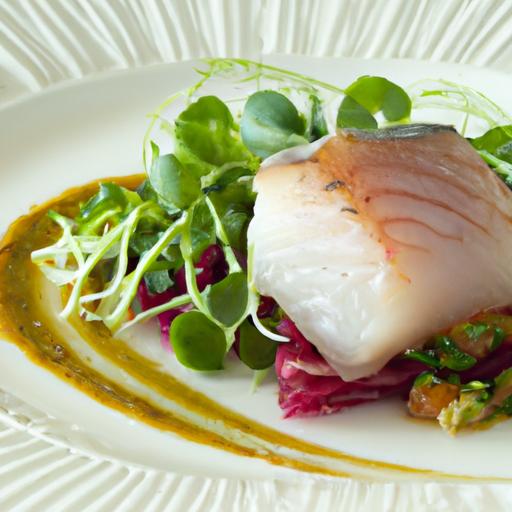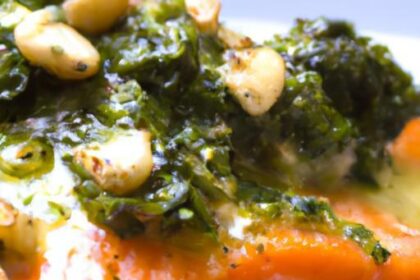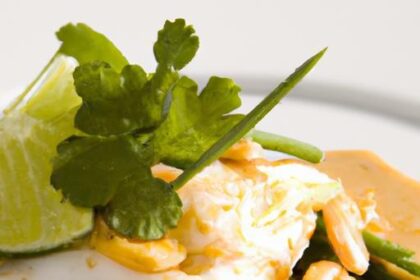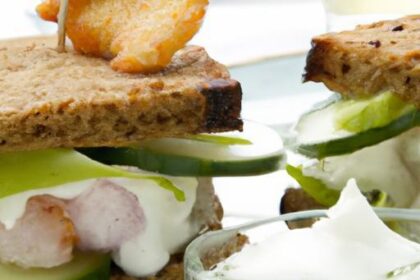





Beneath the shimmering surface of the deep blue lies a treasure often overlooked by many seafood enthusiasts: sablefish. Known for its buttery texture and rich, succulent flavor, this ocean gem has quietly won the hearts of chefs and home cooks alike. In this article, we dive into the world of delicious sablefish recipes that unlock the full spectrum of its oceanic charm. Whether you’re a seasoned gourmand or an adventurous beginner, prepare to embark on a culinary journey that transforms this humble fish into unforgettable dishes, each bite capturing the essence of the sea.
Exploring the Unique Taste and Texture of Sablefish
Delicious Sablefish Recipes offer an remarkable gateway to unlocking rich ocean flavors that few other fish can match. Known also as black cod, sablefish boasts a buttery texture and a delicate, yet robust flavor profile that melts on the palate. This prized catch originates from the cold, deep waters of the North Pacific, where its high fat content contributes to an unparallelled moistness and silkiness when cooked. Every bite reveals an intricate balance between mild sweetness and a savory depth, making it an ideal canvas for creative culinary artistry.
What truly sets sablefish apart is its velvety, flake-tender flesh that responds beautifully to gentle cooking and carefully crafted marinades. Whether you’re a seasoned chef or an eager home cook, savoring sablefish is a journey through oceanic luxury.
Prep and Cook Time
- Preparation: 15 minutes
- Marinating: 1 to 4 hours (for optimal flavor infusion)
- Cooking: 12 minutes
- Total Time: Approximately 1 hour 30 minutes (including marinating)
Yield
Serves 4 elegantly plated portions, perfect for an intimate dinner or a special occasion.
Difficulty Level
Medium – approachable for cooks with some experience looking to master the art of marinating and subtle cooking techniques.
Ingredients
- 4 sablefish fillets (6-8 oz each,skin on for best texture)
- 1/4 cup soy sauce (low sodium)
- 2 tablespoons mirin (Japanese sweet rice wine substitute: use additional maple syrup if avoiding alcohol)
- 2 tablespoons fresh lemon juice
- 2 tablespoons honey
- 1 tablespoon grated fresh ginger
- 2 garlic cloves,minced
- 1 teaspoon toasted sesame oil
- Freshly ground black pepper,to taste
- 2 green onions,thinly sliced (optional garnish)
- Sesame seeds,toasted (optional garnish)
Instructions
- Prepare the marinade: In a shallow dish,whisk together soy sauce,mirin (or substitute),lemon juice,honey,grated ginger,minced garlic,sesame oil,and black pepper until the honey dissolves completely. This mixture will deeply enhance the sablefish’s natural richness.
- Marinate the fish: Score the skin side of the sablefish fillets lightly with a knife to allow flavors to penetrate. Place fillets skin side down in the marinade, ensuring they’re fully coated.Cover and refrigerate for at least 1 hour, up to 4 hours for maximum flavor depth.
- Preheat your cooking surface: Use a non-stick skillet or a cast-iron pan over medium heat. Let it warm thoroughly before adding the fish-a hot pan yields a crisp,golden skin.
- Cook the sablefish: Remove fillets from marinade,shaking off excess but preserving some moisture. Place them skin side down on the skillet. Sauté until the skin is crisp and caramelized, approximately 5-6 minutes.Flip gently and cook the flesh side for an additional 4-6 minutes until the fish flakes easily but remains tender inside.
- Rest and garnish: Transfer cooked sablefish to a warm plate and let it rest for 2 minutes to retain juices. Sprinkle with sliced green onions and toasted sesame seeds for a refreshing crunch and contrast.
Tips for Success: Mastering the Art of Marinating for Deep Flavor infusion
- Marinate mindfully: Avoid over-marinating beyond 4 hours,as the delicate flesh can become mushy from acid breakdown.
- Balance flavors: Honey balances the soy’s saltiness and lemon’s acidity – adjust sweetness or tanginess depending on your preference.
- Skin-on matters: Cooking sablefish with skin ensures the fillets remain intact and flavorful while providing a marvelous textural contrast.
- Rest before serving: This step seals in moisture, ensuring every bite feels luxurious and moist.
- alternate marinating style: For a smoky twist, add a teaspoon of smoked paprika or a touch of liquid smoke to the marinade.
- Make-ahead tip: Marinate up to 4 hours ahead to save prep time, then simply cook before guests arrive for fresh, hot results.
Savoring Sablefish with Perfectly Paired Side Dishes
Complement your sablefish with sides that echo its buttery richness and accentuate its oceanic notes. Consider a bed of creamy miso mashed potatoes for a comforting, umami-rich base or steamed bok choy lightly tossed in toasted sesame oil and garlic for a crisp, fresh counterpoint.
Roasted heirloom carrots or a delicate citrus fennel salad can also bring brightness and texture that elevate the dining experience. Finish the plate with microgreens or edible flowers for visual elegance, tying together the dish’s earthy and ocean flavors harmoniously.
Creative Cooking Techniques to Elevate Your sablefish Experience
To truly unlock the full potential of Delicious Sablefish Recipes, experiment with these inventive approaches:
- Low and slow sous vide: Cook sablefish at 125°F for 45 minutes to achieve an ultra-moist, velvet finish, then quickly sear skin-side down for crispness.
- Broiling with a miso glaze: Spread a thin layer of sweet miso paste atop the fillets before broiling for a caramelized crust packed with umami.
- Blackened spice rub: Use a blend of smoked paprika, garlic powder, cayenne, and cumin to create a spicy crust that contrasts beautifully with the rich flesh.
- Steaming with aromatic herbs: Steam sablefish on a bed of fresh lemongrass and ginger slices to infuse subtle, fragrant notes.
Each method offers a distinctive taste experience, inspiring your culinary creativity with this luxurious fish.
| Nutrient | Per Serving |
|---|---|
| Calories | 320 kcal |
| Protein | 32 g |
| Carbohydrates | 12 g |
| Fat | 18 g |

For an authoritative guide on lasting fishing practices related to sablefish, visit the monterey Bay Aquarium seafood Watch.
Q&A
Q&A: Delicious Sablefish Recipes - Unlock Rich Ocean Flavors
Q1: what makes sablefish such a prized ingredient in seafood recipes?
A: Sablefish,also known as black cod,boasts a beautifully rich,buttery texture and a delicate flavor that melts in your mouth. Its high oil content-notably omega-3 fatty acids-gives it a luxurious mouthfeel and keeps it moist during cooking. this makes sablefish incredibly versatile, perfect for grilling, roasting, steaming, or even slow-braising.
Q2: How can I prepare sablefish to best highlight its natural richness?
A: One simple way is to rely on minimal seasoning-think a sprinkle of sea salt, freshly ground black pepper, and a touch of citrus zest to brighten the flavors. Techniques like miso-marination or cooking sablefish en papillote (in parchment) help seal in moisture and amplify its naturally buttery profile without overpowering its essence.
Q3: Are there specific cooking methods that work better for sablefish?
A: Absolutely! Sablefish shines when cooked gently. Slow roasting or poaching allows its fats to render perfectly, resulting in tender, flaky flesh. Grilling is also fantastic if you manage heat carefully to avoid drying it out-its oily flesh resists sticking and pairs wonderfully with smoky char.
Q4: Can sablefish be used in international dishes?
A: Yes! its rich flavor adapts seamlessly across various cuisines. In Japanese cooking, sablefish often appears marinated in miso or soy-based sauces. It also works brilliantly in Mediterranean dishes-think herbed crusts and vibrant, fresh salsas. Even in Caribbean-inspired recipes, sablefish absorbs bold spices while maintaining its sleek texture.
Q5: What ingredients complement sablefish without overpowering it?
A: Ingredients with luminous, fresh, or tangy profiles beautifully balance sablefish’s richness-lemon or yuzu zest, fresh herbs like dill or tarragon, and crisp vegetables such as fennel or cucumber. Earthier accents like roasted garlic or ginger add depth, while a touch of miso or tamari enhances umami without stealing the show.
Q6: How should I store sablefish before cooking to maintain its freshness?
A: Fresh sablefish is best stored in the coldest part of your refrigerator and cooked within a day or two of purchase. If you’re buying frozen, thaw it gently in the fridge overnight to preserve its texture and flavor. Avoid leaving it at room temperature as the oils can go rancid quickly.
Q7: Are there any creative recipe ideas that showcase sablefish’s unique qualities?
A: Try a miso-glazed sablefish with a side of pickled radishes and steamed jasmine rice-a perfect harmony of savory, sweet, and tang. Or grill sablefish filets and serve atop a bright mango-avocado salsa with a drizzle of lime-infused olive oil. For a comforting twist,slow-braised sablefish with tomatoes,olives,and capers delivers Mediterranean coastal vibes.Q8: Can sablefish be used in quick weeknight meals?
A: Definitely! because sablefish cooks quickly and doesn’t require heavy seasoning to taste amazing, it’s ideal for fast, flavorful dinners. Pan-sear sablefish in 4-5 minutes per side and pair it with a simple salad or roasted veggies for a nourishing meal in under 30 minutes.
Unlock the ocean’s buttery treasure with sablefish recipes that celebrate its deep flavor and luxurious texture-each bite a delicious dive into the heart of the sea.
Closing Remarks
From buttery pan-seared fillets to smoky grilled delights, sablefish offers a luxurious canvas for culinary creativity. Its rich, velvety texture and deep ocean flavors invite both novice cooks and seasoned chefs to explore a world of savory possibilities. By embracing these delicious sablefish recipes, you’re not just preparing a meal-you’re unlocking the ocean’s hidden treasures on your plate. So dive in,experiment boldly,and let each bite transport you to the serene depths where this magnificent fish begins its journey. Your next unforgettable seafood experience awaits beneath the surface.