



In the bustling world of food classification, few ingredients spark as much quiet debate as rice. Is it a humble grain, a staple carbohydrate, or could it sneakily be counted among vegetables? This question might seem trivial at first glance, but it opens a captivating window into how we categorize the foods that fill our plates-and, ultimately, how we understand nutrition itself. Join us as we unpack the grain versus veggie debate, exploring rice’s botanical origins, culinary uses, and nutritional profile to settle once and for all: Is rice a vegetable, or is it something else entirely?
Is rice a vegetable? This question often sparks curiosity in kitchens and dining tables alike, inviting us to delve deeper into how we understand food classifications botanically and culinarily. While rice is commonly seen as a staple grain worldwide, unraveling its botanical identity compared to vegetables reveals fascinating distinctions that influence nutrition and cooking methods. Let’s explore how rice and vegetables occupy their unique roles in our diets and how we can artfully combine them for wholesome, vibrant meals.
Prep and Cook Time
- Preparation Time: 10 minutes
- Cooking Time: 25 minutes
- Total Time: 35 minutes
Yield
Serves 4 hearty portions
Difficulty Level
Easy to Medium – perfect for beginners wanting to expand their culinary horizons
Ingredients
- 1 ½ cups long-grain brown rice, rinsed and drained
- 3 cups vegetable broth (low sodium preferred)
- 1 tablespoon extra virgin olive oil
- 1 medium onion, finely chopped
- 2 cloves garlic, minced
- 1 medium carrot, diced
- 1 cup broccoli florets
- 1 red bell pepper, julienned
- 1 zucchini, sliced
- Salt and freshly ground black pepper, to taste
- Fresh parsley or cilantro for garnish
Instructions
- Heat olive oil in a large saucepan over medium heat. Add the onion and garlic and sauté until translucent and fragrant, about 3 minutes.
- Add diced carrots and cook for another 4 minutes, stirring occasionally to soften but maintain some crunch.
- Stir in the rinsed brown rice, toasting gently for 2 minutes. This step helps release a subtle nutty aroma that enriches the grain’s flavor.
- Pour in the vegetable broth, and season lightly with salt and pepper. bring the liquid to a gentle boil, then cover and reduce heat to low. Let it simmer for 20 minutes or until the rice is tender and the liquid absorbed.
- While the rice cooks, steam the broccoli florets, bell pepper, and zucchini until just crisp-tender, about 5 minutes.Avoid overcooking to preserve vibrant colors and nutrients.
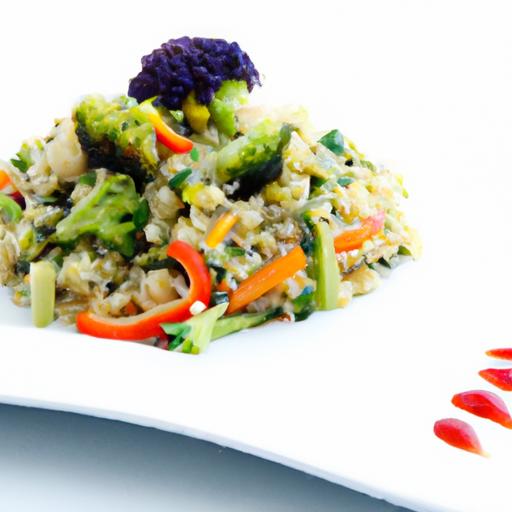
- Once the rice is ready,fluff it gently with a fork. Fold in the steamed vegetables carefully to combine the textures and colors without mashing the rice.
- Adjust seasoning as needed and transfer to a serving dish. Sprinkle with freshly chopped parsley or cilantro for a fresh burst of herbal aroma.
Chef’s Notes
- For a more fragrant twist, substitute vegetable broth with coconut milk diluted half with water to add creaminess without overpowering the vegetables.
- if using white rice, reduce cooking time to around 15 minutes and liquid accordingly (2 ¼ cups vegetable broth for 1 ½ cups rice).
- leftovers make excellent bases for stir-fries or nourish-packed bowls; simply reheat with a splash of water or broth.
- Adding a squeeze of fresh lemon juice before serving brightens flavors and enhances nutrient absorption.
Serving Suggestions
This colorful medley pairs beautifully with crisp green salads or roasted vegetable sides for a complete nutrient boost. Garnish with toasted sesame seeds or a dollop of plain yogurt to add inviting texture contrasts and silky smoothness.
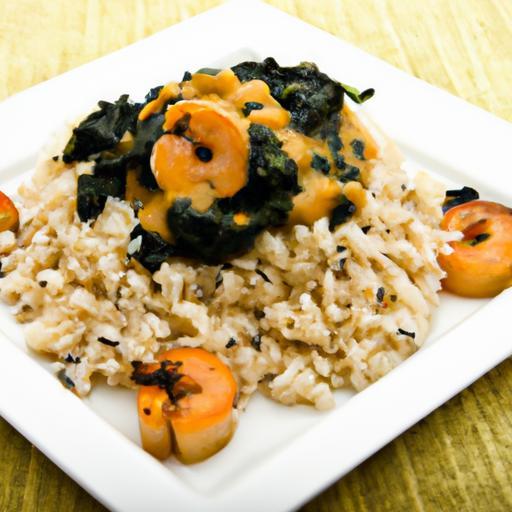
Enjoy this dish as a satisfying vegetarian main or as a vibrant accompaniment to grilled tofu or legume patties. the visual appeal of fluffy rice studded with fresh vegetables makes every bite an inviting experience that’s both nourishing and comforting.
| Nutrient | Per Serving |
|---|---|
| Calories | 310 kcal |
| Protein | 7 g |
| carbohydrates | 62 g |
| Fat | 4.5 g |

Understanding how rice is botanically classified as a grain rather than a vegetable enlightens the way we balance our plates. Vegetables contribute vital vitamins, fiber, and antioxidants while rice offers complex carbohydrates and energy.Together, they complete a wholesome, nutrient-dense meal that satisfies both body and palate.
For more insights on incorporating whole grains and vegetables into everyday cooking, visit our healthy eating guide. And to dive deeper into nutritional facts, check out the USDA’s comprehensive Food Nutrition Database.
Q&A
Q: Is rice a vegetable?
A: Despite frequently enough being paired with vegetables on a plate,rice is not classified as a vegetable.it is actually a grain-specifically, a cereal grain harvested from the seeds of the Oryza sativa plant. Vegetables generally refer to edible parts of plants such as leaves, stems, roots, or flowers, while rice is the seed of a grass-like plant.
Q: Why do some people think rice might be a vegetable?
A: The confusion frequently enough comes from how rice is served and perceived in meals. Rice is commonly eaten alongside vegetables and sometimes mixed with them in dishes. Additionally, when rice is brown or wild, it might seem more “whole” or plant-like, leading some to loosely categorize it with vegetables. However, botanically and nutritionally, rice is firmly a grain.
Q: What differentiates a grain like rice from a vegetable?
A: The key difference lies in the part of the plant that’s consumed. Grains are the seeds of specific plants, including grasses such as wheat, oats, and rice. Vegetables come from other plant parts-like leaves (spinach), roots (carrot), stems (asparagus), or flowers (broccoli). nutritionally, grains often have more carbohydrates and fewer vitamins than vegetables, which are rich in fiber, vitamins, and minerals.
Q: How does classifying rice as a grain affect dietary guidelines?
A: Dietary recommendations distinguish grains from vegetables because they contribute different nutrients. Grains like rice provide energy-packed carbohydrates and some protein, while vegetables offer vitamins, minerals, antioxidants, and fiber.labeling rice as a grain encourages balanced meals, ensuring you get a variety of nutrients from diverse food groups.
Q: Can rice ever be considered a vegetable in cooking or diet?
A: In culinary contexts, rice is sometimes treated like a starch or side component, much like potatoes. Although not technically a vegetable, recipes may blur lines for convenience or traditional pairings. From a nutritional standpoint, however, it remains a grain nonetheless of preparation.
Q: What are some other examples of grains often mistaken for vegetables?
A: Quinoa, corn, and wheat can sometimes cause confusion. For instance, corn is both a grain and a vegetable depending on how it’s harvested and eaten. Quinoa is a seed often grouped with grains due to its cooking style. But strictly speaking, these are not vegetables, even if they appear alongside them.
Q: Why does understanding the difference between grains and vegetables matter?
A: knowing the difference helps make healthier food choices, balance your diet, and better understand nutritional labels.Each group impacts your body differently-grains primarily fuel you with carbohydrates, while vegetables provide essential vitamins and antioxidants. This clarity supports mindful eating and overall wellness.
Unlocking the mystery behind rice reveals it is a steadfast grain, not a vegetable. So next time you pile rice with your greens,you’re actually enjoying the perfect harmony of different plant parts on your plate!
Final Thoughts
while rice may not fit neatly into the vegetable aisle,its story enriches our understanding of how we classify the foods on our plates. As a staple grain, rice carries centuries of cultural significance, nutritional value, and culinary versatility that go beyond simple labels. So, next time you ponder whether rice is a vegetable, remember-it’s less about the category and more about the role it plays in nourishing millions around the world. Whether grain or veggie,rice remains a humble hero in the mosaic of global cuisine.