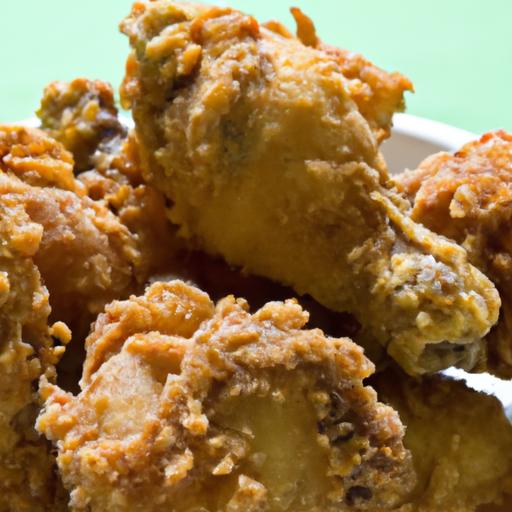




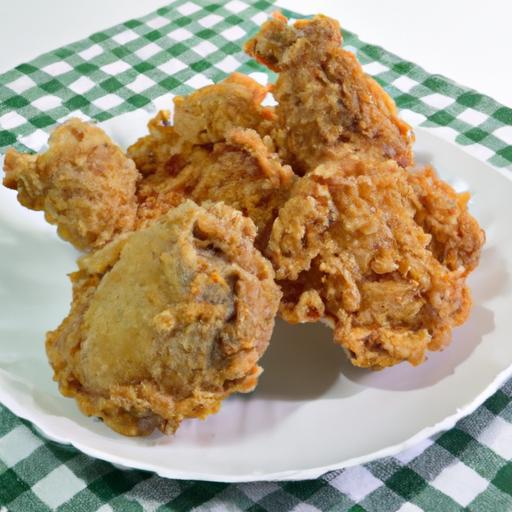

Few culinary pleasures rival the irresistible allure of perfectly fried chicken-its golden, crackling crust giving way to juicy, tender meat beneath. But achieving that flawless crispy delight is far from mere happenstance. It’s a delicate dance where science meets art: a symphony of temperature control, ingredients, and technique that transforms humble poultry into a masterpiece of texture and flavour. In this article, we’ll delve into the fascinating chemistry behind that coveted crunch and explore the time-honored methods and innovative secrets that chefs and home cooks alike use to elevate fried chicken from simple comfort food to extraordinary feast. Prepare to unlock the delicious science that turns everyday chicken into a crispy, flavorful sensation.
Crispy Delight is more than just a comforting meal; it’s a celebration of texture and flavor, a symphony of science and culinary artistry working in perfect harmony. Understanding how the chemistry behind crispy coatings interacts with marinades, oils, and frying temperature can transform your fried chicken from ordinary to extraordinary. This recipe unlocks the secrets to achieving that coveted crunch without heaviness, ensuring every bite is irresistibly juicy and golden-brown.
Prep and Cook Time
- Readiness: 25 minutes (excluding marinating time)
- Marinating Time: 4 to 8 hours
- Cooking: 15 minutes
- Total Time: Approximately 5 hours (including marinating)
Yield
Serves 4 hungry guests
Difficulty Level
Medium – Ideal for home cooks eager to master frying with finesse
Ingredients
- 4 cups buttermilk (for tenderizing and flavor infusion)
- 1 tablespoon kosher salt
- 1 tablespoon freshly ground black pepper
- 2 teaspoons smoked paprika
- 1 teaspoon garlic powder
- 1 teaspoon onion powder
- 1 whole chicken (about 3-4 lbs),cut into 8 pieces
- 3 cups all-purpose flour,sifted
- 1 tablespoon cornstarch (for added crispiness)
- 2 teaspoons baking powder (balances coating lightness)
- Vegetable oil or refined peanut oil for frying (enough to submerge chicken pieces)
- Fresh herbs (optional): thyme or rosemary for garnish
Instructions
- Prepare the marinade: In a large bowl,combine the buttermilk with 1 teaspoon salt,1 teaspoon black pepper,smoked paprika,garlic powder,and onion powder. Submerge the chicken pieces fully and set in the fridge to marinate for 4 to 8 hours. This acidic soak tenderizes the meat and infuses deep flavor.
- Mix the coating: In a shallow dish, whisk together the sifted flour, cornstarch, baking powder, remaining salt, and pepper. The cornstarch and baking powder work together to create a lower-gluten, crispy crust that crunches delightfully when fried.
- Heat the oil: Pour oil into a deep skillet or heavy-bottomed pot to a depth of 2 inches. Heat to a steady 350°F (175°C). Use a thermometer for best results; maintaining precise temperature is essential for crispness without greasiness.
- Drain chicken excess marinade: Remove chicken from the buttermilk mixture, letting excess drip off gently. Do not pat dry completely; the slight moisture helps the coating adhere better.
- Dredge chicken: One piece at a time, coat chicken thoroughly in the flour mixture. Press the coating to form an even layer, then set aside on a wire rack for 10 minutes. Resting helps the batter bond tightly and dry slightly for better crunch.
- Fry in batches: Carefully add a few pieces of chicken to hot oil, avoiding overcrowding. Fry for 12-15 minutes, turning occasionally to brown evenly. The internal temperature should reach 165°F (74°C). Avoid pressing or moving excessively; calm frying yields the best crust.
- Drain and rest: Remove fried chicken and place on a wire rack lined with paper towels. This elevates the chicken, allowing excess oil to drain and air to circulate, preserving crispness.
- Serve immediately: Garnish with fresh herbs and lemon wedges for brightness and balance.
Tips for Success: Mastering Marinades and Oils for Crispy Delight
- Marinating magic: The acidity in buttermilk gently breaks down muscle fibers,creating juicy texture that contrasts beautifully with crisp coatings. Avoid skipping this step-it’s essential for tender bites.
- Flour blend: Combining cornstarch with flour lowers gluten formation, resulting in a shell that shatters with every bite.
- Temperature control: Using refined oils such as peanut or vegetable oil ensures neutrality and high smoke points, perfect for maintaining 350°F. Use a thermometer-it’s your best friend to avoid greasy or burnt coating.
- Resting after dredging: Allowing the coated chicken to rest before frying enables the flour to adhere firmly, preventing sloughing and creating a flawless crust.
- Batch frying: spaces between pieces prevent temperature drops. Overcrowding steam-cooks chicken and causes soggy coatings.
- Option crisp: For added crunch, double dredge the chicken (dip back briefly in buttermilk then flour again), but ensure you maintain oil temperature for perfect results.
Serving Suggestions
Present your crispy delight on a rustic wooden board or a bright ceramic plate to contrast the golden crust. A handful of fresh parsley or rosemary sprigs adds an herbal pop of color and aroma. Serve alongside tangy coleslaw, spiced honey mustard, or a cool buttermilk ranch dressing to complement the crunch with creamy, refreshing notes. For a Southern touch, pair with cornbread or fried green tomatoes.Garnish with thin lemon wedges for a zesty edge that brightens the palate after each savory bite.

| Nutrient | Amount per Serving |
|---|---|
| Calories | 450 kcal |
| Protein | 35 g |
| Carbohydrates | 20 g |
| Fat | 28 g |
For further insights into frying techniques and temperature management, explore our Ultimate Guide to Frying Perfection.To deepen your understanding of the science behind frying and food chemistry,the ScienceDaily food chemistry section offers excellent resources.
Q&A
Q&A: Crispy delight – The Science and Art of Perfect Fried Chicken
Q1: What makes fried chicken irresistibly crispy?
A1: The magic behind that satisfying crunch lies in a combination of moisture control, coating, and frying temperature. When chicken skin or coating dries out just enough and hits hot oil-usually around 350°F to 375°F-the water inside rapidly turns to steam, creating bubbles that lift and seperate coating particles. This results in a light, crunchy texture rather than a soggy crust. Additionally, the flour or batter often contains starches like cornstarch that crisp up beautifully, adding to the delightful crunch.
Q2: How critically important is the marination process in fried chicken?
A2: Marinating does more than add flavor-it tenderizes the meat and affects juiciness. An acidic marinade (like buttermilk or yogurt) gently breaks down proteins in the chicken, making each bite succulent. But beyond softness, the marinade’s moisture also plays a vital role: too wet, and the coating won’t stick well; too dry, and the chicken may taste tough. Achieving the perfect balance ensures a moist interior shielded by a crispy exterior.
Q3: Can you explain the role of double-dipping or multiple coatings?
A3: Absolutely! Double-dipping-dunking chicken once more into the wet mixture after the initial flour coating-builds layers of batter that fry into an ultra-crispy shell. The first layer adheres to the skin, the wet layer in-between acts as a glue, and the final flour coat creates a thick, crunchy crust. This layering traps steam inside, keeping the inside tender while the exterior crisps up gloriously.
Q4: Why is temperature control so crucial when frying chicken?
A4: temperature is king in frying. If oil is too cool, the coating soaks up oil, resulting in greasy, limp chicken. Too hot, and the crust may char before the meat cooks through. Maintaining a steady frying temperature ensures the chicken cooks evenly, the crust crisps up beautifully, and the meat stays juicy inside.Using a thermometer or managing heat carefully helps you master this balance.
Q5: What are some creative flour or coating mixtures to enhance crispiness?
A5: beyond traditional all-purpose flour, many cooks mix in cornstarch, rice flour, or even crushed cornflakes to elevate crunch. Cornstarch absorbs less oil and crisps faster; rice flour offers a delicate and brittle crackle; crushed cornflakes add a rustic texture with extra crunch. Spices and herbs can be incorporated directly into the coating to infuse every bite with aromatic complexity.
Q6: How can one achieve crispy skin on skin-on fried chicken pieces?
A6: Crispy chicken skin is a coveted prize! Start by patting the pieces dry-moisture is the enemy of crispiness. Then, salt the skin and let it rest uncovered in the fridge for a few hours or overnight to draw out excess moisture. Prior to frying, a light dusting of seasoned flour or cornstarch helps create a crispy armor. frying at the right temperature locks in that golden, crackling skin perfection.
Q7: Is resting fried chicken after cooking really necessary?
A7: Yes! Resting allows excess oil to drain and the interior juices to redistribute, yielding juicier meat and a more stable crust. Place fried chicken on a wire rack rather than paper towels to prevent sogginess-this keeps crispness intact while it cools just enough to be irresistible.
Q8: Can frying methods affect the final taste and texture?
A8: Definitely. Deep-frying submerges chicken completely for even cooking and maximum crispiness. Pan-frying offers more control and a thinner crust but may yield less crunch. Air frying, a modern twist, uses circulating hot air to replicate crispiness with less oil, though the texture can be a bit different.Each method brings its own character, so experimenting helps you find your perfect “crispy delight.”
Q9: What’s the science behind the ‘crack’ sound when biting into fried chicken?
A9: That satisfying “crack” is the sound of the brittle crust fracturing-tiny air pockets and crisped starches breaking under pressure. It’s a sensory celebration signaling the perfect interplay of heat, moisture, and coating structure. This audible cue delights the eater, confirming the chicken’s ideal texture before the flavor even hits the tongue.
Q10: Are there tips to keep homemade fried chicken crispy for longer?
A10: To prolong that just-fried crunch, avoid stacking pieces while hot, as steam will cause sogginess. Keep the chicken on a wire rack in a warm oven (around 200°F) if serving later-it retains warmth without steaming the crust. For storage, reheat in a hot oven or air fryer to revive crispiness rather than microwaving, which tends to soften the crust.
Enjoy mastering fried chicken as both a delicious science experiment and an artful craft-every crispy bite is a tribute to patience, precision, and passion!
The Conclusion
As the golden crust crackles beneath your teeth and tender, juicy meat greets your palate, you’ve experienced more than just a meal-you’ve tasted the harmony of science and artistry in perfect fried chicken.from the precise chemistry that crafts its irresistible crunch to the time-honored techniques passed down through generations, each bite tells a story of passion and precision. Whether you’re an adventurous home cook or a curious foodie, understanding the delicate dance of heat, seasoning, and timing transforms cooking fried chicken from a simple recipe into a deliciously rewarding experiment. So next time you gather around the table with a plate piled high, savor not just the flavor, but the science and soul that make crispy delight truly unforgettable.