


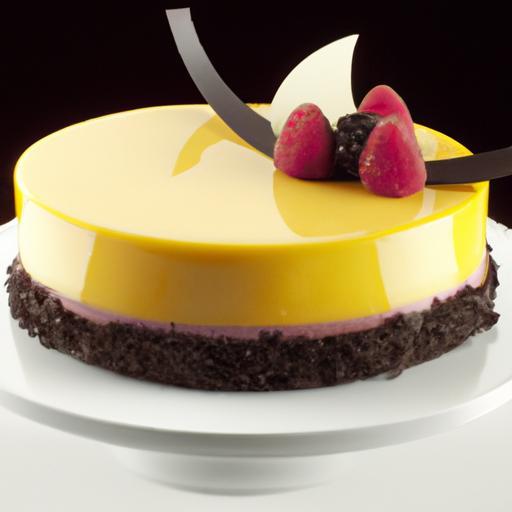

In the dazzling world of patisserie, entremet cakes stand as the ultimate testament to both artistry and technique. These multi-layered marvels, with their intricate textures, vibrant flavors, and mirror-gloss finishes, captivate the senses and elevate dessert-making to an art form. Yet, behind their flawless appearance lies a careful balance of precision, patience, and passion. Weather you’re an aspiring pastry chef or a devoted baking enthusiast, mastering entremet cakes opens the door to a realm where creativity and craftsmanship unite. In this step-by-step tutorial guide, we’ll unravel the secrets of constructing these elegant confections-breaking down each component, sharing expert tips, and empowering you to create show-stopping masterpieces that taste as extraordinary as they look. Get ready to embark on a deliciously rewarding journey into the heart of sophisticated baking!
Mastering entremet cakes unlocks a world of intricate flavor symphonies and delicate textures, elevating your dessert artistry to new heights. This exquisite French-inspired confection demands precision and creativity-from selecting the perfect sponge to harmonizing velvety mousse layers and culminating in the glossy, mirror-like glaze that captures the light like liquid silk. Each element contributes not only to taste but a sensorial experience that captivates the eye and palate alike.
Prep and Cook Time
- Preparation: 1 hour 30 minutes (plus chilling time)
- Cooking/Baking: 30 minutes
- Assembly and Decoration: 1 hour
- Total Time: Approximately 3-4 hours (including cooling and setting)
Yield
Serves 8-10 elegant slices, perfect for special occasions or intimate gatherings.
Difficulty Level
Advanced: Ideal for those cozy with multi-step patisserie techniques and layering intricacies.
Ingredients
- Sponge Layer: 4 large eggs, room temperature
- Superfine Sugar: 120 g (about ½ cup)
- All-purpose Flour: 100 g, sifted
- cornstarch: 20 g (2 tbsp)
- Mousse Base: 300 ml heavy cream, chilled
- White Chocolate: 150 g, finely chopped
- Gelatin Sheets: 4, soaked in cold water
- Fruit Puree (e.g., passionfruit or raspberry): 150 g, strained
- Simple Syrup: 100 ml water + 100 g sugar
- Glaze Ingredients: 150 g sugar, 150 ml water, 100 g sweetened condensed milk, 10 g gelatin sheet, 100 g white chocolate
- Decoration: Edible gold leaf, fresh berries, chocolate curls (optional)
Instructions
- Prepare the Sponge: preheat oven to 180°C (350°F). Beat the eggs and superfine sugar over a bain-marie until pale, fluffy, and tripled in volume (~8 minutes). Gently fold in sifted flour and cornstarch with a spatula, preserving airiness. pour batter into a lined 8-inch cake pan and bake for 20-25 minutes or until a skewer inserted comes out clean. Let cool completely.
- Syrup Infusion: Bring water and sugar to a boil to make simple syrup. Brush this lightly over the cooled sponge for moistness and enhanced flavor, infusing any complementary extracts or zest if desired.
- Create the Mousse: Melt white chocolate over gentle heat. Squeeze excess water from gelatin and dissolve it in warm fruit puree. Whip cream to soft peaks. Combine melted chocolate, gelatin-puree mix, and whipped cream gently to maintain silkiness.
- Layering: Line a mousse ring mold with acetate for smooth edges. Place the sponge base inside the mold. Pour half the mousse over the sponge and chill for 20 minutes to set. Add a second thin sponge layer or biscuit insert, then top with the remaining mousse. Refrigerate for at least 4 hours or overnight.
- Glazing Technique: Soak gelatin in cold water. Boil sugar, water, and condensed milk; dissolve gelatin in the hot syrup. Pour over chopped white chocolate and blend until smooth and shiny, using an immersion blender without incorporating air. Cool glaze to just above 35°C before pouring evenly over the chilled entremet for that flawless mirror shine.
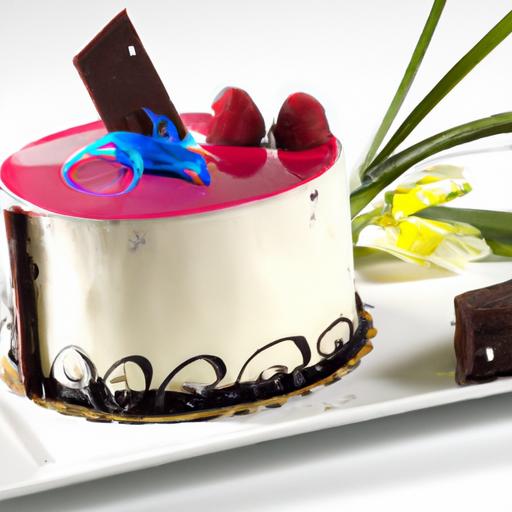
- Decoration and Presentation: Once glaze sets slightly, carefully remove the mold and acetate. Embellish with edible gold leaf accents, artfully arrange fresh berries, or add chocolate curls to create dimension. Serve on a pristine white plate to enhance vivid colors and refined textures.
Tips for Success
- Temperature control: maintain mousse and glaze temperatures as noted-too warm will cause melting; too cold will lead to uneven textures.
- Gelatin Handling: Always bloom gelatin in cold water for 5-10 minutes to prevent lumps and ensure smooth incorporation.
- perfect Sponge: Sifting flour and folding gently help keep the sponge light, providing a soft cushion that contrasts with creamy mousse.
- Make-Ahead: Assemble the entremet a day ahead to allow flavors to meld and layers to stabilize, improving slicing precision.
- Variations: Swap fruit purees for mango, blueberry, or yuzu to customize flavors while keeping the structure consistent.
Serving Suggestions
Present your entremet slices chilled alongside a dollop of lightly whipped vanilla bean cream or a refreshing mint leaf sprig. Serve with a dusting of powdered sugar or a drizzle of complementary fruit coulis on the side to brighten the plate. The interplay of glossy sheen, luscious mousse, tender sponge, and elegant garnishes will impress guests with both taste and sophistication.
| Nutrition (per slice) | Calories | Protein | Carbs | Fat |
|---|---|---|---|---|
| Entremet Cake | 410 kcal | 5 g | 45 g | 23 g |
Explore more advanced tips and flavor inspiration in our Advanced Entremet techniques article. For gelatin science and safety, consult this complete Food Safety Guide.

Q&A
Q&A: Mastering Entremet Cakes – A Step-by-Step tutorial Guide
Q1: What exactly is an entremet cake?
A1: An entremet cake is a multi-layered, elegant dessert that delights with diverse textures and flavors. Typically composed of sponge, mousse, creams, and crunchy layers, it is often coated with a shiny glaze or intricate decorations. The word “entremet” stems from French culinary tradition,originally meaning a dish served between courses-but today,it’s synonymous with sophisticated patisserie art.
Q2: Why are entremets considered challenging to make?
A2: Entremets require precision, patience, and an understanding of various techniques. The art lies in balancing different components-like baking flawless sponge layers, whipping stable mousses, creating crunchy inserts, and mastering smooth mirror glazes. Timing and temperature control are crucial, since each layer must set perfectly before assembling. The complexity is part of what makes creating an entremet so rewarding.
Q3: What basic tools should I have before starting?
A3: Start with silicone molds or ring molds to shape your cake precisely. A flexible spatula and offset spatula are essential for smoothing layers and spreads. A digital scale ensures accurate measurements, while a stand mixer or hand mixer helps whip creams and mousses to the right consistency. Lastly, a blow torch can be handy for finishing touches or slightly caramelizing certain textures.
Q4: How do I ensure my mousse layers set properly?
A4: The key is using gelatin or agar-agar as a setting agent, carefully dissolved and incorporated while the mousse is still warm but not hot enough to damage the aeration. Chill the mousse thoroughly in the mold to firm up, and avoid rushing the process. Temperature control in your fridge or freezer will guarantee the mousse solidifies to the ideal, silky texture.
Q5: Can you explain the order of assembling an entremet?
A5: Absolutely! The assembly follows a logical layering sequence. Start with the sturdy base-often a biscuit or dacquoise-then add a crunchy layer (like praline or feuilletine), followed by mousse layers alternated with fruit gels or creams. Each layer should be smoothed and chilled before adding the next to prevent mixing or collapsing.after freezing the assembled cake solid, apply the mirror glaze or decoration.
Q6: What are some creative flavor combinations to experiment with?
A6: The beauty of entremets is how they bring harmony to contrasting flavors. Consider pairing citron and basil for a fresh, aromatic twist; match dark chocolate with passion fruit for a tropical indulgence with depth; or combine roasted nuts with salted caramel for a luxurious mouthfeel. Remember, balance is key-combine acidic, sweet, creamy, and crunchy elements thoughtfully to surprise and delight your palate.
Q7: How critically important is the mirror glaze, and how can I make it flawless?
A7: Mirror glaze is the crowning glory of an entremet, presenting a glassy finish that instantly elevates its visual appeal. To achieve glossiness without streaks or bubbles, cool the glaze to approximately 30-35°C (86-95°F) before pouring it over a frozen cake.Use a fine sieve to remove any lumps, and pour in one smooth motion. Patience during preparation and pouring yields that coveted flawless shine.
Q8: What are common mistakes to watch out for when making entremet cakes?
A8: Common pitfalls include overwhipping mousses, which leads to grainy textures; assembling layers before components are fully set, causing them to slide or mix; applying glaze at the wrong temperature, resulting in a dull, uneven finish; and neglecting precise measurements, which can throw off texture or flavor balances. Following each step mindfully and prepping everything in advance prevents these issues.
Q9: Can entremets be prepared ahead of time?
A9: Yes! One joy of entremets is their excellent make-ahead potential. Bake and assemble the cake up to several days in advance, keeping it well-wrapped in the freezer. When ready to serve, thaw slowly in the refrigerator and glaze freshly for the best presentation. This allows versatility and impressive results without last-minute stress.
Q10: How can I personalize my entremet for special occasions?
A10: Personalization can come through flavors, shapes, and decorations. Use themed molds (hearts,flowers,geometric shapes) or edible decorations like gold leaf,fresh fruit,or delicate chocolate garnishes.Play with color by adding natural food dyes to mousses or glazes. You could also incorporate seasonal ingredients or favorite flavor profiles for a truly bespoke dessert experience.Mastering entremet cakes invites you into an exquisite world where pastry precision meets creative whimsy. With this guide, your kitchen becomes a patisserie playground-ready to craft layered marvels that taste as fabulous as they look. Happy baking!
Future Outlook
As you close this chapter on mastering entremet cakes,remember that each delicate layer and gleaming glaze tells a story of patience,precision,and passion. With the step-by-step guidance you’ve gained, the once-daunting art of these refined desserts now lies within your grasp. So let your creativity rise like a perfectly set mousse, your confidence shine like a mirror glaze, and your kitchen become a laboratory of sweet innovation. Whether for a special celebration or a personal challenge, crafting entremet cakes is more than baking-it’s an invitation to transform simple ingredients into edible masterpieces. Now, it’s time to whisk, layer, and dazzle your way to dessert perfection. Happy baking!