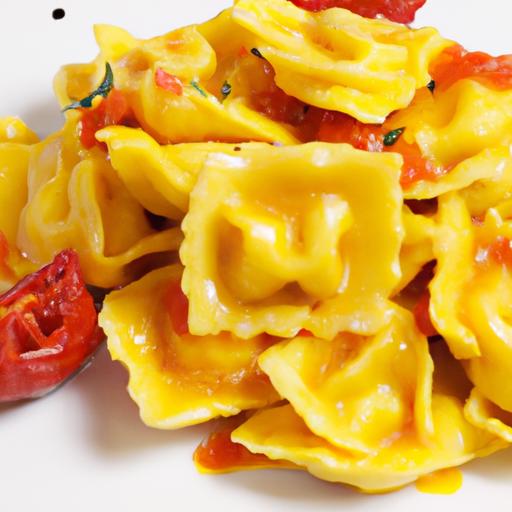



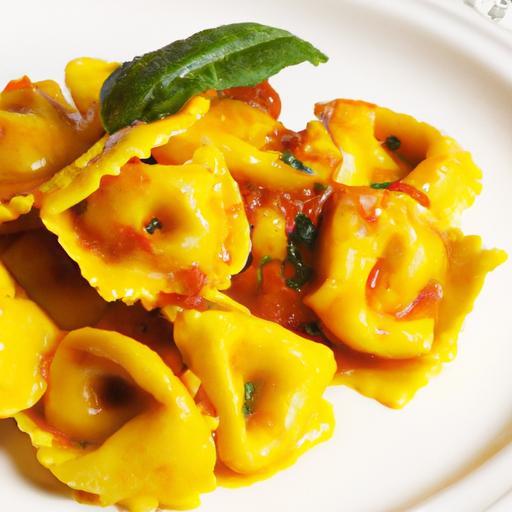

In the heart of Italy’s sun-kissed countryside, where rolling hills meet endless vineyards, a culinary revelation is quietly enchanting palates: Tuscan tortellini. This delightful twist on classic pasta traditions marries the rustic charm of Tuscany with the time-honored art of tortellini-making, creating a dish that is both familiar and refreshingly new. Beyond its perfectly folded pasta and rich fillings lies a story of regional innovation, cultural fusion, and a festivity of local ingredients that elevate a beloved staple into a true gastronomic treasure. Join us as we explore the origins, flavors, and techniques behind Tuscan tortellini-a must-try for every pasta aficionado eager to experience the soul of Italy in every bite.
Tuscan Tortellini represent a captivating fusion of regional flavors and Italian tradition,inviting home cooks and pasta lovers alike to explore a unique culinary heritage. Unlike the classic Emilia-Romagna tortellini,Tuscan variations boast distinctive ingredients and bold flavor profiles rooted deeply in the rolling hills and sun-kissed landscapes of Tuscany. This enchanting pasta offers a delightful twist that embodies the rustic charm and rich terroir of this celebrated region, bringing a fresh and memorable experience to your table.
Prep and Cook Time
- Readiness: 45 minutes
- Cooking: 10 minutes
- Total Time: 55 minutes
Yield
Makes approximately 4 servings (about 40 tortellini)
Difficulty Level
Medium – Ideal for adventurous home cooks seeking to master conventional pasta crafting with guiding instructions.
Ingredients
- For the pasta dough:
- 2 cups all-purpose flour, sifted
- 3 large eggs, at room temperature
- 1 tbsp extra virgin olive oil
- Pinch of sea salt
- For the filling:
- 150g ricotta cheese, well-drained
- 100g finely chopped tuscan pecorino cheese
- 100g pancetta, diced and sautéed until crisp
- 1 small shallot, minced
- 1 tbsp fresh sage, chopped
- Freshly ground black pepper, to taste
- Salt, to taste
- For serving:
- 4 tbsp unsalted butter
- Fresh sage leaves
- Grated Tuscan pecorino cheese
Step by Step guide to Crafting authentic Tuscan Tortellini at Home
- Prepare the pasta dough: mound the flour on a clean surface and create a well in the center. Crack the eggs into the well, add olive oil and salt. Using a fork, gently whisk the eggs while incorporating flour from the edges until the dough begins to come together.
- Knead the dough: With clean hands, knead for about 10 minutes until the dough is smooth and elastic. Wrap it in plastic wrap and let rest at room temperature for 30 minutes.
- Make the filling: In a mixing bowl, combine ricotta, pecorino, sautéed pancetta, shallot, and sage. Season with salt and pepper to taste. Stir well until the mixture is creamy and cohesive.
- Roll out the dough: Divide the dough into 4 portions. Using a pasta machine or rolling pin, roll each piece into very thin sheets (about 1-2 mm thick). Dust with flour to prevent sticking.
- Cut and fill the tortellini: Cut the dough sheet into 3×3 cm squares. Place a small teaspoon of filling in the center of each square. Fold diagonally to form a triangle and press the edges firmly to seal,eliminating any air pockets.
- Shape the tortellini: Bring the two pointed corners of the triangle together and press to form the classic ring shape.Set aside on a floured tray.
- Cook the tortellini: Bring a large pot of salted water to a gentle boil. Add tortellini and cook for 3-4 minutes or until they float to the surface. Remove with a slotted spoon.
- Prepare the sauce and serve: In a skillet, melt butter over medium heat. Add sage leaves and cook until fragrant and slightly crispy.Toss the cooked tortellini in the buttery sauce.
- Plate and garnish: Serve immediately, sprinkled generously with grated Tuscan pecorino and a fresh sage leaf for color and aroma.
Chef’s Notes and Tips for Success
- Dough consistency: Adjust with a splash of water or a dusting of flour as needed to achieve a supple yet firm dough.
- Filling variations: Try adding finely chopped wild mushrooms for an earthy note, or swap pancetta with cured ham for a subtler flavor.
- Make-ahead: Tortellini freeze beautifully.Lay them out on a floured tray, freeze until firm, then transfer to a freezer bag for up to 2 months.
- Cooking tip: Avoid overcrowding the boiling pot to prevent sticking and broken pasta.
Perfect Pairings and Serving Suggestions to Elevate your Tuscan Pasta Experience
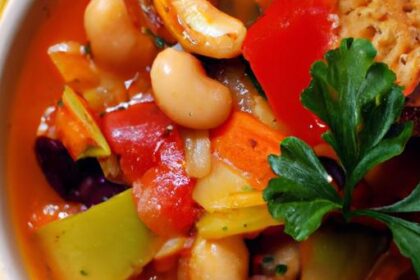
Pair Tuscan Tortellini with a crisp, chilled glass of Vernaccia di San Gimignano or a light Pinot Noir for a perfect balance of acidity and fruitiness. A simple mixed green salad dressed with lemon vinaigrette complements the richness of the butter sauce, while grilled seasonal vegetables add texture and freshness. For a heartier feast, accompany with a rustic Tuscan soup such as Ribollita or a slice of crusty country bread to soak up every luscious bite.

| Nutrient | Per Serving |
|---|---|
| calories | 430 kcal |
| Protein | 18 g |
| Carbohydrates | 42 g |
| Fat | 15 g |
Explore more traditional italian pasta recipes in our Classic Italian Pasta Collection and deepen your knowledge about the rich culinary landscape of Italy through this Slow Food Italian Gastronomy Guide.
Q&A
Q&A: tuscan tortellini – A Delightful Twist on Classic Pasta Traditions
Q1: What exactly is Tuscan Tortellini, and how does it differ from the classic version?
A1: Tuscan Tortellini is a regional reinterpretation of the beloved Italian pasta typically associated with Emilia-Romagna. While classic tortellini are small, ring-shaped pasta traditionally filled with pork, prosciutto, and Parmigiano-reggiano, the Tuscan variant introduces local flavors-think rich wild boar ragù, pecorino cheese, and aromatic herbs like rosemary and sage. This twist reflects Tuscany’s rustic,hearty culinary heritage,giving tortellini an earthier,more robust character.
Q2: Where did the idea of Tuscan Tortellini originate?
A2: The concept arose from Tuscan chefs and home cooks eager to celebrate their region’s unique ingredients while honoring classic pasta-making techniques.Tuscany’s abundance of game meats,aged pecorino,and distinctive olive oils inspired them to craft a tortellini that tells a story of the land-combining tradition with terroir in every bite.
Q3: What makes the filling of Tuscan Tortellini special?
A3: Unlike the traditional pork-centric filling, Tuscan Tortellini fillings often include wild boar, Tuscan sausage, or even finely chopped kale and chestnuts for a vegetarian touch. These ingredients are slow-cooked with garlic,onions,and local herbs,then mixed with creamy pecorino or ricotta cheese. The result is a filling bursting with deep, rustic flavors that celebrate the Tuscan countryside.
Q4: How is the pasta dough for Tuscan Tortellini prepared?
A4: The dough remains true to Italian tradition-made from “00” flour and fresh eggs-but sometimes with a subtle twist. Some recipes incorporate a drizzle of extra virgin olive oil from Tuscan groves or a touch of finely ground chestnut flour, imparting a slightly nutty aroma and silky texture that complements the hearty fillings.
Q5: What sauces typically accompany Tuscan Tortellini?
A5: Tuscan Tortellini shines in simple yet bold sauces. A light drizzle of sage-infused brown butter, a spoonful of truffle cream, or a rustic tomato and wild boar ragù all let the pasta’s flavors take center stage. The sauce choice highlights the region’s commitment to straightforward,high-quality ingredients.
Q6: Can Tuscan Tortellini be paired with specific wines?
A6: Absolutely! Pair your Tuscan Tortellini with robust reds from the region-think Chianti Classico, Brunello di Montalcino, or a hearty Vino Nobile di Montepulciano. The wine’s acidity and tannins balance the savory richness of the filling and complement the earthy herbs, making each bite a harmonious experience.
Q7: Is Tuscan Tortellini widely available, or is it more of a home-cooked specialty?
A7: While classic emilia-Romagna tortellini have broader international fame, Tuscan Tortellini remains a cherished local specialty. You might find it in upscale Tuscan trattorias or artisan pasta shops, but it’s most authentically enjoyed homemade, where generations share recipes and tipples of good wine around the table.
Q8: How can aspiring cooks recreate Tuscan Tortellini at home?
A8: Start with fresh pasta dough and choose a filling inspired by Tuscan ingredients-wild boar sausage or mushrooms with pecorino works beautifully. Roll the dough thin, fill, and fold carefully into tiny rings. Simmer briefly in salted water and serve with a simple sauce like sage butter. The key is patience and a love for layering flavors-just like the Tuscan countryside itself.
Q9: Why should food lovers explore Tuscan Tortellini?
A9: Tuscan Tortellini is more than pasta-it’s a culinary journey through one of Italy’s most iconic regions. It invites food lovers to savor the richness of Tuscany’s traditions and terrain in a single, exquisite bite. For those enchanted by Italian cuisine, this delightful twist offers fresh inspiration while honoring centuries of pasta artistry.
The Way Forward
In the heart of Italy, Tuscany’s culinary artistry breathes new life into the beloved tortellini, transforming a timeless classic into a vibrant celebration of regional flavors. This delightful twist not only honors tradition but also invites pasta lovers to savor the rich, sun-drenched essence of Tuscan kitchens with every bite. Whether you’re a seasoned gastronome or an adventurous home cook,tuscan tortellini offers a captivating journey through history,taste,and innovation-proving once again that even the oldest recipes can be reborn with a fresh,flavorful spirit.So next time you crave pasta perfection, let Tuscany’s unique take on tortellini inspire your table and your palate alike.